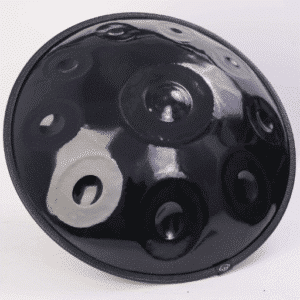

Your handpan requires maintenance so its captivating tone and condition remain intact. Over a period, handpans collect rust and an assortment of wear and tear materials through oils, moisture, and other impurities. Cleaning and maintenance, when done properly, ensure the tonal beauty is maintained, as is the life of the instrument. This article aims to assist you in maintaining your handpan, guiding you from small daily cleaning practices all the way to advanced rust removal techniques. In this article, we will talk about all the necessary steps that need to be taken to maintain an instrument of this value, for both new and experienced players alike.
Introduction to Handpan Care
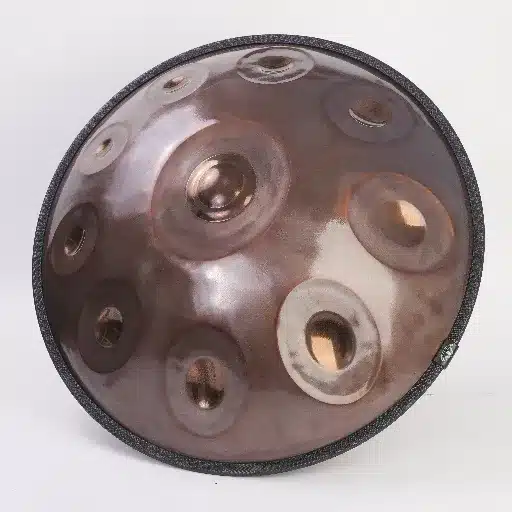
To maintain the sound, keep it the same, and preserve the handpan, proper care is needed. Cleaning the handpan regularly will ensure that it performs its best and also prevents rust and other build-up. Wiping the handpan after use, along with storing it in a dry place, goes a long way in protecting it. Periodic application of protective oils and other coatings will go a long way in protecting the instrument from moisture and other environmental damage. These small steps go a long way in preserving the beauty of the handpan for many years.
Overview of the Handpan
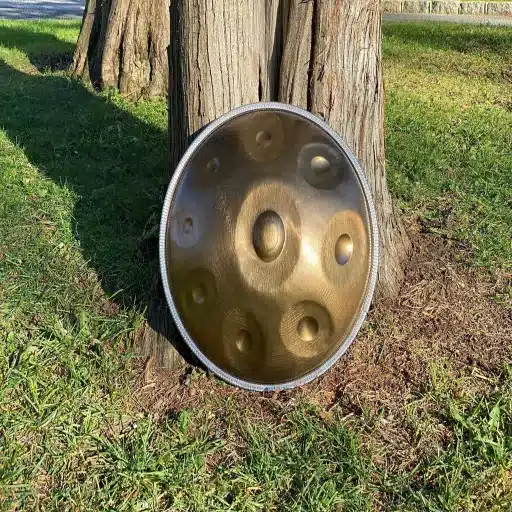
The handpan is a percussion instrument made of steel. It is distinguished from other percussion instruments for its otherworldly, unique tune. It is also distinguished by its unique shape. It was developed in the early 2000s and is inspired by instruments such as the steel drum. The handpan’s instrument features a convex structure having tone fields which are carefully tuned to provide harmonic resonance. The standard handpans have a diameter of around 18 to 22 inches and weigh between 5 to 7 kilograms. This makes them sturdy yet easy to carry. A handpan’s scale is a unique masterpiece by itself. Most of them offer 7 to 9 notes, which are carefully arranged alongside a central note called the “ding,” which is the main bass tone.
Handpan Specifications
| Specification | Range |
|---|---|
| Diameter | 18-22 inches |
| Weight | 5-7 kilograms |
| Notes | 7-9 notes + central “ding” |
| Price Range | $1,000 – $3,000 |
Musicians, sound therapists, and around-the-world hobbyists actively adopt this new instrument, broadening its handpan’s musical presence due to its calming and healing sounds. A high-quality handpan’s construction is much more involved than the construction of other musical instruments and requires modern metallurgical methods such as tuning, hammering, and nitriding the steel surface in order to ensure durability and sound quality. With respect to craftsmanship and brand name, the cost of a handpan can widely fluctuate, usually being between $1,000 and $3,000. Handpans are becoming increasingly popular; therefore, the community has grown quite a lot, allowing for the emergence of global festivals, workshops, and internet community boards for handpan enthusiasts.
Importance of Proper Maintenance
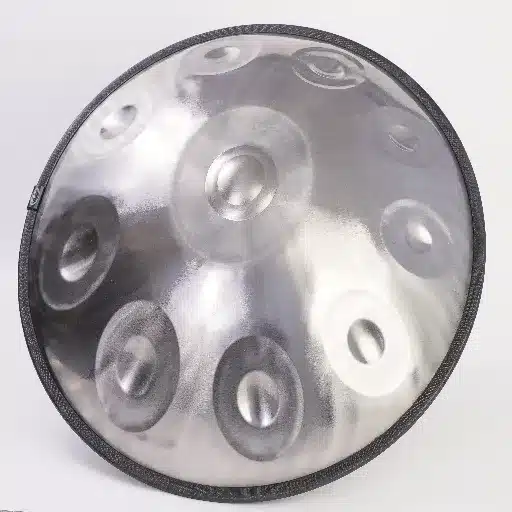
Maintaining a handpan properly is essential for keeping its sound, looks, and lifespan in good shape. In the case of handpans, which are made of steel, rust is one of the common issues that can be prevented through proper care and maintenance. One of the crucial steps is cleaning and oiling the instrument, which ought to be done with specialised oils, such as the Phoenix Handpan Oil. Following each session, professionals advocate the use of a microfiber cloth to erase fingerprints, dust, and moisture that could lead to corrosion.
Professional Tuning Costs: Recent reports revealed that for professional handpan tuning, the service cost ranges from $100 to $300, depending on the extent of retuning and the particular tuner.
To shield a handpan from harm, it should be placed in a padded, protective case and stored in a dry, temperature-controlled setting to steer clear of humidity, changes in temperature, or sharp changes in temperature, all of which may lead to detuning or warping. Tuning a handpan, while not a frequent necessity, is also recommended every one to two years, contingent upon its use, to restore and maintain the correct pitch. All of these procedures help to relieve any trouble that would come with playing a handpan again in the future.
Understanding Rust on Your Handpan

When your handpan is exposed to moisture over time, this can lead to rust. To stop this from happening, regularly cleaning your instrument with a microfiber cloth and applying a handpan-specific oil or flaxseed oil can help greatly. Additionally, try and keep your handpan in a cool, dry place and make sure to not store it in wet or humid places ever. In the event rust does show up on your handpan, a light scrub with a non-abrasive pad and some handpan oil can work well. These simple maintenance steps go a long way in protecting your handpan from any further damage and ensuring that it continues to sound great.
Causes of Rust on Handpans
The oxidation of steel drives the rusting of handpans, increasing under particular conditions. Extended periods of moisture exposure pose the greatest threat, with water speeding the surface metal’s chemical reaction with oxygen. Areas of consistently high air humidity above 60% are especially prone to rust formation. As an added concern, rapid shifts in temperature cause condensation on the handpan, which adds moisture and encourages rust.
Primary Rust Contributors:
- Moisture Exposure: Extended contact with water or high humidity (>60%)
- Temperature Changes: Rapid shifts causing condensation
- Body Oils and Sweat: Natural oils from the hands during playing
- Environmental Pollutants: Salt and Industrial Contaminants
Sweat and oils from our hands may contribute to the problem as well. The natural oils of the body, sweat, and even dirt from the playing of the instrument itself all get transferred onto the surface, where, if left uncleaned, they promote oxidation. Further worsening the issue are additional airborne threats. Salt, along with industrial pollutants, harms the protective layers of the handpan over time, making corrosion more likely.
With this knowledge, players can more effectively prevent rust from forming and take steps to maintain the instrument’s quality for a longer time. In addition to cleaning the instrument regularly, they should remove it from high-humidity storage areas and refrain from exposing it to sudden, drastic changes in the surrounding environment.
Effects of Rust on Sound Quality and Aesthetics
Rust can influence the sound and look of a handpan. The sounds can be inconsistent and muffled if rust develops on the instrument. The essential harmonics can be vital for the handpan’s special reverberation. They can either be muted or warped. In the long run, rust can change the handpan’s tone. Its deeper penetration can change the structural integrity of the tone fields, enabling them to be less firm in pitch.
In terms of appearance, rust deformities roughen up patches, taking away the rust-free, shiny surface, making it less visually pleasing and somewhat neglected. Studies and data on metal corrosion show that rust, if not treated, can spread fast in wet environments, cutting short steel instruments by over 50%. Tackling rust early as a result of cleaning and preventive action is vital in preserving the handpan’s quality sound as well as its elegant looks.
Step-by-Step Guide to Prevent Rust
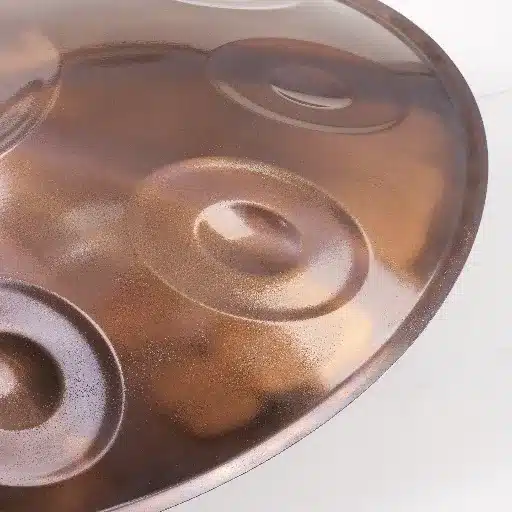
- Remove Rusting Substances as Soon as Possible
The most effective rusting substances are hand and finger hairs. After each practice session, use a soft microfiber cloth to remove perspiration, oils, and any moisture from the surface. It has been established that acids and even salts from human epidermis, particularly untreated steel, in the presence of high humidity, accelerate corrosion. - Apply Protective Oils or Waxes
Apply specialized anti-rust handpan oils, such as Phoenix Oil, to prevent damage. Immediately after cleaning, remove any residues and apply the oil thinly in one layer to cover the surface completely. Studies have shown that consistent application of protective oils over a few months can help in the reduction of rust by as much as seventy percent. - Store in a Suitable Environment
Make sure that the handpan is not exposed to any form of moisture. Do not store in humid places such as near windows or in basements. Exposure to humidity of more than 60% has been proven to increase the risk of corrosion based on environmental studies on metal degradation. Remove all damp clothing and store it in a temperature-controlled and dry environment. - Invest in a Quality Carrying Case
Use a robust and moisture-resistant case to store and transport your handpan. Waterproof linings and extra padding in modern handpan cases ensure protection against scratches, dust, humidity, and other forms of physical damage. - Avoid Prolonged Exposure to Water or Rain
Even though brief exposure to water may not immediately cause rust, extended exposure is harmful. Research has shown that oxidation can begin within a short period of surface wetness in the absence of treatment. Immediately dry the handpan using a soft, dry cloth if it comes in contact with water. - Inspect for Early Signs of Rust
Make constant inspections on the handpan for any unusual discoloration or rough texture, as it may signify the start of rusting. Removing the rust early on, as well as treating it by cleaning with a non-abrasive pad and applying oil, ensures further destruction and preserves the instrument.
If you adhere to the guidelines I have outlined, your handpan will be better protected from rust and its best condition can be preserved, not only in terms of its visual appeal but also in terms of its sound quality.
Keep Your Handpan Clean and Dry
Of all the factors that can contribute to the rusting of a handpan, moisture is by far the most important. This makes it all the more necessary to keep your handpan clean and free of moisture. After each playing session, take a soft microfiber cloth (ensure it is clean and free of any abrasive materials so it doesn’t scratch the instrument), and remove fingerprints, sweat, and hand oils from the surface. This will help reduce the rate of rusting.
For the safekeeping of your handpan, pick a place that is cool and dry, and not subjected to any extreme temperatures or direct sunlight. Also, it is important to avoid keeping it in damp or humid places for long durations since prolonged exposure to high humidity increases the chance of rusting. To protect your instrument in constantly humid environments, you might want to use silica gel packets or dehumidifiers in the handpan’s case.
Research Finding: From research, it can be inferred that oxidation on metal components slows down effectively at relative humidity levels maintained below 50%. Not only does consistent attention and care shield the metal from rust, but it also preserves the pristine tone and resonance of the instrument.
Apply Protective Oils
To maintain your handpan’s quality and help prevent rust, protective oil must be applied. Protective coconut oil and camellia oil are natural oils that work best, as they form a thin protective film over the metal. After cleaning your handpan, a small amount of oil should be applied to the surface. Research shows that the use of protective oils can lower corrosion rates by as much as 40% in high-humidity areas. During application, use lint-free cloths to prevent surface scratches and make sure to remove excess oil to avoid build-up that might change the sound of the handpan. In addition to helping maintain the handpan’s finish and tone, regular oil treatments aid in preserving the instrument’s life.
Proper Storage Techniques
Proper storage is necessary to maximise the lifespan and retain the sound quality of a handpan. The instrument should always be stored in an environment that is cool as well as dry so as to limit exposure to moisture and to fluctuations of temperature, as these may cause rust and warping of the material. It is best to maintain the moisture levels between 40% and 55% as it is best to ensure that no corrosion and warping of the metal takes place.
| Storage Factor | Recommended Range | Risk if Exceeded |
|---|---|---|
| Humidity | 40-55% | Corrosion and warping |
| Temperature | Cool and stable | Detuning and warping |
| Light Exposure | Minimal/shaded | Finish degradation |
In order to protect the instrument from physical damage, a hard shell bag or a padded case that is meant for use with handpans should be used. Such bags and cases offer protection from scratches and dents during storage. In order to preserve the instrument’s resonance and shape, ensure that there are no heavy items placed on it while it is being stored for a long duration.
Furthermore, ensure that the handpan is not stored where it is exposed to the sun or close to any heat sources, as the warm temperatures may affect the delicate tuning. For those who enjoy the outdoors, handpan cases in different terrains may use portable desiccant packs that absorb moisture inside the cases. Regular maintenance alone is not sufficient; these additional steps greatly help in maintaining the life and sound quality of the handpan.
Using a Dehumidifier or Silica Gel
Your handpan’s integrity and sound will be affected if you do not maintain the correct range of humidity. Excessive moisture can lead to oxidation and corrosion, which deteriorate your instrument both in terms of appearance and sound quality. If you live in an area with a humid climate, a dehumidifier can be very useful in regulating the humidity in your storage area. Your goal should be to maintain a relative humidity of about 40 to 50 percent.
Silica gel packets are an alternative that is inexpensive and easy to carry. These small packets can be inserted in your handpan case, where they will help to absorb moisture and protect your instrument. High-capacity silica gel desiccants are the best choice, as they often come with indicators that show when the gel needs to be replaced or reactivated through drying. The silica gel packs should be regularly checked to make sure they continue to serve their purpose. These small investments go a long way in saving your handpan and its performance from issues related to moisture.
How to Remove Rust from Your Handpan

Step-by-Step Rust Removal Process:
- Clean the Surface — Pick up your instrument and with a soft dry cloth, gently wipe it in order to buff off dust and any loose debris. At this point, refrain from using water to clean it.
- Apply a Rust Remover — For rust remover, use something that is mild in nature, such as distilled white vinegar. Using a soft cloth or sponge, apply a small quantity to the rusted portion. Stay away from chemicals that are strong in nature, as they pose the risk of structural damage.
- Gently Scrub — Using a soft, non-abrasive cloth or a pad, softly scrub the rusted area so it loosens. Go slowly so as to protect the handpan surface from getting scratched.
- Wipe and Clean — After rust removal, use a damp cloth to remove the remnants of the rust remover. In the end, use a dry cloth and make sure the surface is completely.
- Apply Protective Oil — For the protective oil, use a high-quality rust-prevention oil or one that is specifically recommended for handpan maintenance, to protect the surface from future rust.
Just like other musical instruments in the percussion family, the handpan requires regular upkeep. Also, ensure that it is stored where there is no moisture. Too much moisture promotes rust formation. The instrument should be used with the necessary precautions to keep the finish and the sound quality intact.
Identifying Rust Spots
Rust spots on a handpan begin as faint discolorations and patches that have a slightly rough surface. These spots are most common in places where moisture or sweat has collected because sweat or places that are damp for a while tend to oxidise. To catch rust as soon as possible, check the handpan in bright light and look closely at any areas with weld seams, dimples, or other shallow crevices that can hold moisture. Numerous studies demonstrate that untreated rust spots, no matter how small, can spread and affect the instrument’s aesthetics as well as the sound it produces. In order to catch spots early, perform checks and clean your handpan regularly, and preferably every time after use. To preserve the look and function of your instrument, consistent maintenance is important.
Cleaning Rusted Areas Safely
Cleaning rusted spots on a handpan requires caution to prevent additional damage. Start by lightly wiping the affected area with a microfiber cloth to clear loose particles or surface rust. For tougher rust, try using a fine-grade, non-abrasive steel wool or a rust removal product meant for delicate instruments. Many rust removal products are formulated with mild oxalic acid and other gentle compounds, which handpans data shows that applying a small amount of such solutions in combination with gentle circular wiping significantly helps diminish visible rust.
Post rust removal, use a damp cloth to wipe the area and remove any leftover cleaning product. To avoid additional oxidation, make sure the handpan is dried thoroughly. It is advisable to use a protective oil like mineral oil or specialized handpan oil to guard against rust in the future. With regular use, oil has been shown to prevent rust formation as it minimizes environmental exposure to moisture and air. Such consistent maintenance ensures that the longevity and sound quality of the handpan are preserved.
Reapplying Protective Oil
I reapply protective oil after making certain that the handpan is clean and dry. Next, I use a soft cloth to dispense a small quantity of mineral or specialized handpan oil and gently spread it over the handpan. This protective layer guards against rust and maintains the handpan’s condition. I ensure that this oiling practice is performed routinely, particularly after cleaning or playing the handpan.
Common Mistakes in Handpan Maintenance

❌ Avoid These Critical Mistakes:
- Forgetting to Perform Routine Maintenance – Not wiping down the handpan shortly after playing allows the dirt, oils, and even sweat to build up, which may lead to rust or some kind of tarnishing of the surface after a while.
- Using Inappropriate Cleaning Materials – Strong products and abrasive scouring tools wear away the handpan’s finish and can alter the quality of its sound. Mild cleaning products and soft cloths specially made for handpans should always be used.
- Failing to Add Protective Oil – Protective oil is especially critical in moist environments and after long periods of playing, but failing to apply it makes the handpan susceptible to rust.
- Incorrect Storage – Keeping the handpan in damp or muggy conditions can speed up the process of corrosion. Make sure the instrument is stored in a dry, temperature-controlled environment and ideally inside a padded case.
- Playing with Unclean Hands – The natural oils and dirt present on the hands can slowly erode the surface finish. Make sure to wash and completely dry your hands before playing.
Conversely, recklessness through which these rules become abolished could very well mean bad fortune later on, as far as invoking the demon of rust on your fine, long-term sound-producing hand drum.
Avoiding Abrasive Materials
Preserving the surface and the tone of your handpan is incredibly important, so make sure that you do not use abrasive materials when cleaning it. Using harsh scrubbing pads or steel wool can be damaging to the surface of the handpan. Such abrasive materials can scratch the protective coating and worsen the state of the metal underneath, allowing the handpan to rust or degrade. A soft microfiber cloth should be the go-to when attempting to remove dirt or fingerprints, as it is safe for the surface.
Moreover, using a cleaning solution should also not include strong or acidic chemicals, as such strong solutions may damage the metal or the finish. Use of mild, diluted soapy water or handpan-specific cleaning sprays should be encouraged instead. Maintenance done regularly and with the appropriate tools preserves your handpan’s beauty, in addition to making sure that it continues to produce beautiful and deep sounds far into the future.
Over-Oiling Issues
As we discussed, oiling your handpan properly is important for maintenance. It helps prevent rust, but too much oil brings about other problems. Dust and dirt can collect on the handpan, diminishing its beauty. Dirtied surfaces are also over-oiled surfaces. The handpan can be over-oiled to an extent that it becomes slippery, creating discomfort while handling and playing the instrument. Even scientific studies note that excess handpan oil can negatively impact the vibrations of the handpan, and in turn, the sound quality.
Optimal Oiling Guidelines: Climate, humidity, and usage of the handpan are the factors that influence the proper frequency of oiling. In regions with mild climates, minor oiling every couple of weeks proves to be adequate; however, areas with excessive moisture may require regular, careful oiling. To maintain a uniform oil layer, a lint-free cloth that is soft must be used. Oiling the instrument and leaving it with the handpan unattended aids in preventing buildup. Oil, when applied properly, handpan and the rich tones of the instrument are not compromised.
Storing in Damp Environments
To protect the handpan and maintain its life and tonal integrity, proper storage in damp environments is important. Rust may form due to moisture, as moisture promotes oxidation. Steel instruments are especially at risk due to the nature of their material. Experts say the ideal relative humidity of the storage area is 40% to 50% to prevent corrosion. Dehumidifiers in the storage room can maintain the humidity effectively. Additionally, silica gel packets may be placed inside the handpan case to absorb moisture. For prolonged storage, an investment in an airtight case with moisture barriers provides additional protection. Prolonged exposure to humid air should be avoided, as it damages the material and the sound quality of the handpan. With the proper measures, the damage caused by damp environments can be minimized to the handpan.
Long-Term Care Tips for Your Handpan
Regular Cleaning
To keep your handpan in top shape, it is advised to dust clean it regularly, utilizing a soft, lint-free cloth to get rid of any dust, smudges, and hand oils. For a deeper clean, you may also opt to use handpan cleaning oil, which is especially helpful in maintaining the finish of the surface and protecting it from rust. Be sure to stay away from abrasive materials or harsh chemicals, as they can cause damage to the instrument.
Safe Handling
Your handpan should always be used gently. When not in use, make sure to place your handpan on a steady surface. Dents can develop on the instrument if it is dropped or handled improperly.
Routine Maintenance
Look out for any potential damage or wear on your handpan every now and then. In order to maintain the handpan’s sound, you may need to get it tuned by a professional. The handpan ensures durability and effectiveness in the long run by following these procedures.
Regular Inspections
As with any instrument, proper care and maintenance are crucial to every handpan to ensure it remains in good quality and tune. As part of routine inspections, it is important to check for any rust or dents that are visually detectable, as these affect the sound and life of the instrument. It is good practice to clean the handpan so as to prevent corrosion using a microfiber cloth with a drop of coconut or mineral oil. Check especially those regions that may trap moisture. It has been established through research that exposure to humidity and temperature changes increases the rate of deterioration; hence, the instrument should be properly stored in a hard case or a regulated environment. To eliminate the possibility of expensive maintenance handpans undergo because of neglect, it is much easier to conduct inspections and remediate issues in an early stage to guarantee that the handpan is kept in the best possible shape.
Cleaning and Oiling Schedule
To uphold the structural integrity and the sound quality of the handpan, a consistent cleaning and maintenance schedule is very important. For musicians in places with dry climates, professionals suggest a minimum of one month of cleaning their handpan. However, for musicians who use their handpans frequently and those in humid climates, a cleaning every two weeks will be of greater help. Dust, fingerprints, and any moisture are to be removed using a soft, lint-free cloth.
Recommended Maintenance Schedule
| Climate | Cleaning Frequency | Oiling Frequency |
|---|---|---|
| Dry Climate | Monthly | 3-4 weeks |
| Humid Climate | Bi-weekly | 1-2 weeks |
| Frequent Use | After each session | Weekly |
Using coconut or mineral oils as protective oils, handpans are to be oiled for rust and corrosion protection after cleaning. For the entire instrument, an oil quantity of a pea is sufficient as long as it is evenly applied. A white handpan is an exception and has to be treated differently, and peach and brown handpans are more prone to oxidation. After applying the oil, let it sit for 10 to 15 minutes and then buff it gently using another soft cloth. Existing studies show that oiling your instrument routinely increases the life expectancy of your handpan, especially in places with high humidity.
Also, you can track your maintenance schedule by setting reminders or marking the dates in a calendar. Such reminders will help you regularly upkeep the instrument’s features and protect the tonal balance, ensuring that your handpan continues to produce resonant and harmonious sounds for many years to come.
Recap of Rust Prevention and Care
Keeping your handpan in good shape consists of proper dusting, periodic oiling, and attentive storage. Research has proven that the use of natural oils such as coconut and Ballistol oils provide a dual benefit of rust protection and moisture protection. For pans in humid climates, it is best to oil the pan every 1-2 weeks versus every 3-4 weeks in drier climates.
Do not use abrasive materials when cleaning. A soft microfiber cloth should be used to lightly dust the surface; however, avoid any scratches that could break the oxide layer. The risk of corrosion can be greatly minimised by keeping the instrument in a room with stable temperature and low humidity. MCP guidelines suggest that levels below 50% are best for long term storage. Using silica gel or other desiccants is a good investment for keeping the proper levels within a protective case. Taking care of the handpan will ensure that it not only lasts a long time but will continue to deliver crisp and pure tones.
Encouragement for Consistent Care

Paying attention to your instrument’s needs really helps in maintaining its performance and increasing its lifespan. Consistent care in cleaning and proper storage, along with maintaining its exposure to environmental elements such as humidity, will help in preventing any sort of damage and retaining its sound quality. Frequent and small measures are always better than long and sporadic ones, and the modest effort that you give to your instrument is always rewarded with a trustworthy and vibrant performance.
Share Your Handpan Care Routines
The handpan requires special care and attention, and sharing how you manage the upkeep of your handpan promotes a sense of community while giving people new methods to try. A lot of handpan players use microfiber cloths to clean fingermarks and oils off their instruments to prevent surface damage. They also use protective oils, such as Frog Lube or Phoenix Oils, which, when applied every four to six weeks, can help protect the instrument from rust.
Studies indicate the importance of eliminating excess moisture, which can increase the rate of corrosion. Handpans should be stored in environments with a relative humidity of 45-55%, and silica gel packs should be used in storage to control moisture, along with the use of handpans. Furthermore, using a padded case to transport your handpan protects it from dents or other damage. Do not hesitate to contribute your suggested practices and methods, as together we can improve the maintenance of these instruments.
Subscribe for More Tips

Handpans are often manufactured from either nitrided steel or stainless steel, each of which has its own advantages as well as maintenance needs. Handpans made of nitrided steel undergo a special treatment that increases their durability and rust resistance; however, corrosion control still necessitates regular oiling. In contrast, stainless steel handpans are more corrosion-resistant and, therefore, require less maintenance, making them an attractive option in humid conditions.
New information draws attention to the use of proper cleaning methods. Only microfiber cloths should be used, since abrasive materials may cause finishing damage. The gentle application of a protective oil–either a special handpan oil, coconut oil, or even a blend specially created for handpans–is beneficial and aids in retaining the protective coating against oxidation. As far as handpans are concerned, experts also recommend that temperature shocks be avoided, as metals do expand or contract due to temperature changes, which may affect the sound quality of the handpans.
Research indicates that exposure to UV rays for long periods can degrade the protective coating on some handpans, which results in wear and discoloration at a faster rate. This is the reasoning for the necessity to keep handpans stored in a cool, shaded area. When such instruments require storing, attention must be paid to the stated reason and handpans handed in a shaded, cool premise. Maintaining a handpan to such a level of detail ensures that it retains its sound quality, appearance, and functionality for a long time.
Reference Sources
- “A Journey Towards Standardization: Preserving the Art of Building and Tuning the Steelpan in Trinidad and Tobago”
This document discusses the challenges of rust prevention in steel-based instruments like the steelpan, which shares similarities with the handpan. - “The History, Development and Global Dissemination of the Hang/Handpan”
This thesis explores the history and care of handpans, including maintenance practices to preserve their quality. - “Surface Treatment of Steel Prior to Painting”
This book provides insights into rust prevention techniques for steel surfaces, which can be applied to handpan care.
Frequently Asked Questions (FAQs)
Keep your handpan in pristine condition with consistent care and proper maintenance. Your dedication to regular cleaning and protection will reward you with beautiful, resonant tones for years to come!