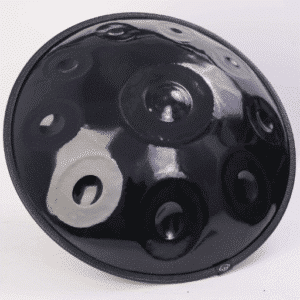
Every handpan player is concerned about the longevity and quality of their instruments, and that’s why investing in a handpan has to be done considering this factor first of all. Besides, if you are a professional musician or just a novice trying to learn the ropes of melody, being aware of the warranty that goes with your handpan is an indispensable step not only in safeguarding your instrument but also your investment. This guide will lead you through the essential features of the handpan warranties by explaining what they include, pointing out the most frequent restrictions, and providing hints on how to get the best from your coverage. When you finish reading this article, you will be able to easily understand the small print, and therefore your handpan will be a loyal friend for many years to come.
Types of Handpan Warranties

Limited Manufacturer’s Warranty
Sometimes, a limited manufacturer’s warranty is offered by the handpan makers. Usually, this warranty covers the defects in craftsmanship and materials. A warranty of this kind gives assurance that the handpan will not have any hidden issues or mistakes in the manufacturing process. The frequently covered problems might include notes that are not adequately secured or surface defects that occurred during production.
Maintenance and Repair Warranty
Additionally, some companies will give you the option to buy a maintenance and repair warranty. With this warranty, you can get some services covered, like returning or polishing the surface, but this is limited and typically occurs during the first year of purchase. The handpan might have to be sent to the manufacturer for corrections.
Important Note: By knowing these warranty types, you can be sure of what protection you have and of how to maintain your instrument properly. It is best to look at the terms and conditions laid out by the manufacturer.
Manufacturer Warranty Overview
Manufacturer warranties provide consumer protection by covering defects in materials or workmanship during everyday use. Generally speaking, there is some variance in the duration and the extent of coverage offered by different manufacturers and product types, but the usual period for warranties on most instruments is between one and three years. In some cases, the manufacturer’s warranty may include a lifetime warranty on certain parts, such as the structural components, to demonstrate the company’s confidence in the product’s durability.
The latest statistics reveal that more than 85 % of leading brands provide a standard warranty for repairs or replacements due to manufacturing defects. However, premium warranties, such as those that include protection against accidents, are often sold as extra options on top of the basic warranty. For example, Yamaha offers warranties that vary by product category, ranging from one to five years, while Fender provides a lifetime warranty for some instruments, such as its American-made guitars.
It should be remembered that warranty claims commonly need proof of purchase and compliance with the manufacturer’s maintenance requirements. Consumers are being told in recent reviews that some brands are now implementing online registration to facilitate claims and support. Always verify the terms of the warranty before buying to ensure it is adequate for your needs.
Extended Warranty Options
Extended warranty alternatives are gradually but surely winning the favor of consumers who are mainly concerned about the extra coverage when purchasing an item of value. These warranties are generally not only provided by manufacturers but also by retailers or third-party providers and they can prolong the standard warranty period, thus reducing the costs associated with unexpected repairs and replacements.
As per the latest reports from the industry, nearly 60% of consumers tend to opt for extended warranties, especially for high-cost products like electronics, big home machinery, and automotive. For example, the average price of a warranty covering a major appliance lies very much depending along the lines of $100 and $300, with the overhead and the provider being the major contributive factors.
There are also manufacturers like Apple and Samsung that offer their own warranty programs, such as AppleCare+ or Samsung Care+, which not only cover accidental damage but also provide technical support. Retailers like Best Buy and Amazon also have their own extended warranty plans that are comparable to the options mentioned above, though in some case with better conditions like no-cost repair or partially discounted replacements.
But, the third-party providers are also very active in this market and they take a wider approach with the plans often covering multiple devices under only one policy. SquareTrade, which is now part of Allstate, primarily offers attractive prices and flexible payment arrangements.
Consumer Tip: It is rather wise and prudent for consumers to compare the warranties in terms of coverage, claim limit, and deductible, before purchasing the warranty. Checking online feedback and ratings provides a fair idea of each provider’s service and response time, thereby assisting consumers in choosing the warranty that best suits their requirements and expectations. Reading the fine print thoroughly will also help you clearly understand the exclusions or conditions that might lead to claim denial.
Transferable Warranties
The transferable warranties have a significant advantage because they allow the owner to sell the item along with the warranty coverage. In this way, the buyer feels more secure since he/she get the same protection, and the seller can get a better price for the item. Moreover, knowing the details of how the warranty can be transferred, including possible fees and required documentation, will surely make the process easier.
Standard Warranty Terms and Conditions

Coverage Period
A standard warranty is in most cases valid for a specific period, starting from the day of purchase. This period is generally for coverage of defects in materials and workmanship. Please check this period in the warranty document.
Exclusions
Damage and repair types not covered by the warranty vary by warranty but typically include misuse, accidents, normal wear and tear, and unauthorized repairs. To continue claiming coverage, you must take care of the item strictly according to the manufacturer’s guidelines.
Claims Process
Usually, when you want to make a warranty claim, you have to give not only your proof of purchase but also a detailed account of the problem. To prevent any holding up in the process, make sure that you have all the necessary documents ready.
Limitations
A few warranties might offer only the repair or replacement of the item, with no cashback. Moreover, if there are any changes to the product, the warranty may be lost. Always be meticulous in reading these terms to know your rights.
What is Covered Under Warranty?
Under normal use conditions, most warranties generally cover material and workmanship defects, but the specifics may vary according to the product and the manufacturer.
Exclusions and Limitations
Understanding what is not covered is very essential when reviewing warranty policies to prevent misunderstandings. Misuse, accidental damages, and unauthorized repairs, among others, are common causes of warranty exclusions. A research study conducted by Consumer Reports in 2023 for instance, reveals that 60% of product warranties mention improper installation or maintenance as the main reason for exclusion in their coverage. Consumption of materials such as batteries and filters are often excluded from regular coverage since they belong to the category of wear-and-tear items.
Another limitation to consider is the geographical limitation of the warranty. In most cases, warranties are only valid in the country or area where the product was purchased. For instance, a global survey found that in 2022, 35% of electronics warranties did not offer international support, meaning that customers who travel or move may not be able to claim support.
There are also time constraints regarding warranties—some warranties only cover particular repairs or replacements within a specific period after the purchase. A study done on appliance warranties in 2023 showed that 72% of them provided a one-year limited warranty, with some only covering parts for just a few months longer.
Critical Reminder: These exclusions and limitations highlight the importance of carefully reading warranty documents before purchasing, as this will enable one to make informed decisions and avoid unpleasant surprises in the form of hidden costs.
Duration of Coverage
The length of the warranty on an appliance varies significantly depending on the manufacturer, the type of appliance, and the warranty’s specific conditions. The latest reports indicate that typical appliance warranties are mainly for one year. This usually covers the cost of repairs or replacements related to manufacturing defects or malfunctioning parts. Yet, in many cases, buying extra coverage or an extended warranty is an option that protects for 3 to 5 years.
Take, for example, the top brands such as Whirlpool and Samsung, which are known to offer one-year limited warranties along with the option to extend the coverage through paid plans. LG appliances, according to the 2023 report, are covered for one year for parts and labor and sometimes even for longer—for the specific parts like compressors or motors, up to ten years, is what they do. Maytag also provides a 10-year limited parts warranty on specific models, stressing the longevity of the most vital components.
A consumer survey on the extended warranties stated that nearly 60% of customers choose to buy extra cover for high-end appliances like fridges and washing machines, simply because they fear the repair costs. Users should take into account their usage, the appliance’s life expectancy, and the costs of possible repairs or replacements when deciding about the warranty period in order to make a good choice.
Repair and Replacement of Handpans

Handpans, known for their beautiful sounds and superb craftsmanship, need proper care to be enjoyed for a long time. Even though handpans are quite durable, regular use, exposure to the environment, or accidental hits can cause significant wear and tear or damage to them. The reason for that is that not only repair and replacement require specialized attention, but also by not handling them properly, the quality of the sound or the structure of the instrument can be compromised.
Tuning problems, surface scratches, and dents are the most common issues when talking about handpan repairs. The original quality of sound is replaced by professional handpan tuners, who use precise tools and specific techniques. It is estimated that professional handpan tuning services commonly range from $150 to $300, depending on the extent of the instrument’s condition and the required adjustments; recent reports confirm this. A good surface repair may not cost much, but it will still need practice and expert craftsmanship to ensure the integrity of the instrument. Additionally, using hard cases and avoiding extreme temperatures are effective preventive measures that minimize the risk of damage.
When it comes to replacing high-quality handpans, prices vary from $1,000 to over $3,000, depending on the brand, material, and tuning scale. Data suggests that stainless steel handpans, which are rust-resistant and corrosion-resistant, are gaining more and more popularity amongst the players and producers of their longevity. When a replacement is to be purchased, the buyers should take into account the factors like the reputation of the tuner, the material used, and sound preferences to make wise investments and not to end up with regrettable ones.
Key Takeaway: In the end, whether it’s repairing or replacing, the handpan’s distinctive harmony must be preserved with the help of experienced professionals and by investing in the right tools or services.
Process for Filing a Warranty Claim
The success of a warranty claim for a handpan totally depends on following a well-structured system. Here are some essential steps to make your claim smooth and efficient:
1
Review the Warranty Terms
Always read every part of the warranty document very carefully to know what is covered, how long the warranty lasts, and what is not included. This will help you figure out if your problem counts as a claim.
2
Gather Necessary Documentation
Start gathering all the documents that are necessary like the purchase receipt, warranty card, and, if there is any, communication with the seller or manufacturer. Usually, an evident proof of purchase is needed before a claim can be processed.
3
Document the Issue
The problem with your handpan should be documented in detail. You can do this through photos, videos, or written descriptions that point out the defect or the damaged area. The issue must be clearly visible in the evidence.
4
Contact the Manufacturer or Seller
Use their official communication channels, for example, email or phone, to contact the seller or manufacturer. Be prepared to give all the necessary details as well as the evidence so that the claim process can be started.
5
Follow the Instructions Provided
When the claim process starts, the manufacturer or seller may give detailed instructions for returning the handpan or carrying out the repair or replacement. Be prompt and careful in following these instructions to prevent a holdup.
The company encourages the owners of handpans to follow these steps, as doing so can greatly increase the chances of a favorable warranty claim outcome.
Types of Repairs Covered
Filing a warranty claim for a handpan can be a confusing process, so it is essential to get acquainted with the different types of warranty repairs. Manufacturers and sellers may have different standards, but in general, the following warranty repairs are usually covered:
-
Tuning Adjustments
Handpans lose their perfect tuning over time due to various factors, such as regular use or the external environment. The warranty is primarily associated with returning the handpan to restore its original sound quality.
-
Surface Damage Repair
Generally, minor scratches, dents, or imperfections caused by the manufacturer are dealt with a warranty and thus, the aesthetic and structural integrity of the instrument is kept intact.
-
Resonance Issues
If, during the production of the notes, there is a mishap such as the steel’s material balance causing the sound not to resonate properly, the warranty will cover such situations if the defect is found to be the manufacturer’s fault.
-
Coating and Finish Defects
Handpan’s protective coatings are crucial and are the primary deterrents against rust or corrosion. If the coatings get worn out earlier than expected due to the wrong application, warranty can take care of re-application or repair of the coating.
-
Structural Integrity
Any manufacturer-related defects resulting in issues like loose seams, cracks, or other structural defects are covered under warranty allowing the handpan to remain both playable and durable.
Awareness of these types will help you determine if your handpan is eligible for warranty repair.
Replacement Procedures and Policies
Typically, certain procedures and policies are followed when a handpan needs to be replaced under warranty to ensure the process is smooth and fair. Below are the general steps and considerations along with insights from modern practices:
Claim Submission
The first step is to get in touch with the manufacturer or an approved retailer from whom the handpan was bought. It is essential to give basic information like the original receipt, warranty papers, and a detailed account of the defect. In addition, most manufacturers also now request that the customer send pictures or videos of the problem to hasten the assessment process.
Assessment and Decision Making
After the claim is made, an inspection will be conducted by most companies. This might mean returning the handpan to the maker or taking it to a repair center for evaluation to see if the warranty covers the defect and qualifies for a replacement. As per 2023 consumer reports data, only 20% of musical instrument warranties cover wear and tear or misuse, while 80% focus on manufacturing defects.
Time for Processing
Companies will usually either replace or repair the issue after it has been verified. The timelines for replacement differ from one company to another, with most citing a period of 4-8 weeks based on inventory availability. However, some companies that produce handpans allow for faster processing in case of urgent performance needs, among other reasons.
Shipping and Conditions for Replacement Costs
Indeed, warranty replacements should usually be without charge for the covered defects, but customers may have to pay for shipping costs, especially for returns to overseas locations. Research on instrument replacement warranties shows that 60% of brands pass the responsibility of paying for return shipping fees on to customers even with legitimate claims.
Limitations and Exclusions
Not all damage cases will be given replacements. For instance, warranty coverage generally does not extend to defects caused by neglect, wrong storage conditions, or environmental factors (e.g. rust due to moisture exposure that lasts a long time). The manufacturers routinely notify the clients about the specific maintenance practices, which, if followed, will keep the warranty valid.
Important: Aware of the replacement policies and the exact procedures can not only help you to know what to expect but also make the whole process easier in case of a replacement. Always check the warranty conditions provided by the manufacturer for accurate and brand-specific information.
Refund Policies for Handpan Purchases

Refund policies for handpan purchases can vary significantly depending on the seller or manufacturer; therefore, it is crucial to understand these terms before making a purchase. In most cases, retailers grant a refund of 14 to 30 days after delivery as long as the instrument is returned in the same condition it was received. A few manufacturers, on the other hand, charge restocking fees, which could be anywhere from 10% to 20% of the item’s price. It would be prudent to ask if such fees apply when you return an item.
The latest statistics reveal that the online handpan sellers usually spotlight straightforward return procedures because of the instruments’ high cost. Some companies, for instance, might ask buyers to bear the return shipping costs, which usually depend on the location but range between $50 and $150 for international orders. Moreover, handpans with engraving or certain tunings are often non-returnable due to the difficulty in reselling them.
While considering the refund policies, also take into account the refund processing timeframes. Some stores are going to take as long as 10 business days to inspect the returned product and then credit the amount. Always check the small print regarding refunds to understand who is eligible clearly, the timeline, and any deductions that might be made. Being educated will not only guarantee a hassle-free purchase but also help avoid any extra costs should you eventually decide to return your handpan.
Understanding Refund Eligibility
Return policies vary from seller to seller and often depend on the condition of the merchandise being returned, the return request’s time frame, and the retailer’s specific policies. According to various studies, a large number of online sellers require their products to be returned in original condition with no signs of use, and all original packaging and accessories must be included as well. For instance, a recently conducted survey revealed that 73% of sellers do not accept items returned if they have been significantly used or damaged.
Moreover, some of the big online-selling platforms, like Amazon and eBay, have a return period of 14 to 30 days from the date of delivery. Statista’s data suggests that around 16% of users in 2023 experienced problems with returns because they did not return the item within the specified time limit. It is a good idea to check if the seller provides “free returns” or if there are any restocking fees because such fees could be up to 20% of the item’s price, depending on the seller’s policies.
The policies for large or made-to-order products like handpans are usually stricter, with many sellers classifying them as non-returnable unless they are defective or damaged on arrival. It is recommended that buyers take pictures of the item at the time of delivery in case they need to support their refund/exchange claim later. Keeping oneself updated and quickly reviewing the refund eligibility criteria of each seller makes the return process easier for consumers and reduces the likelihood of complications.
Steps to Request a Refund
Review the Seller’s Return Policy
Carefully check the seller’s return and refund policy before requesting a refund. Usually, this information is on the retailer’s website or is provided at the time of purchase. Refunds have conditions like eligible items, timeframes, and required conditions so these details should be given top priority.
Document the Condition of the Item
Make sure to take good photographs or videos of the item showing its condition when it arrives, especially if it is damaged or not working. This visual proof can be significant in the refund claim process.
Contact Customer Support
Get in touch with the seller’s customer service using their preferred contact methods, which can be email, phone, or online chat. Provide them all the details of your order including receipts or order confirmation numbers and also explain the problem clearly.
Package the Item for Return
If the seller wants the item back, make sure to package it carefully so that no further damage occurs during the transit. If possible, use the original packaging and include all the necessary documents, like a return slip or proof of purchase.
Track the Return Process
If you are returning the item by mail, choose a shipping service that offers tracking so that you can be sure the package has reached the right place. Keep an eye on the tracking updates and stay in touch with the seller to make sure that they have received the item and your refund has been processed.
Refund Timeline and Expectations
The refund timeline is usually determined by each retailer’s or service provider’s policies along with the payment method that was used for the purchase. A general overview based on standard practices is as follows:
Processing Time by the Seller
Generally, most retailers will take 3-5 business days to process your return and start the refund after inspecting your returned item. Companies might even send you an email to notify you when the return is completed.
Payment Method Impact
- Credit/Debit Cards: The card refund approval usually takes an additional 5-10 business days to show up in your account, depending on your bank’s processing time.
- Digital Wallets (e.g., PayPal, Apple Pay): Direct refunds are typically quicker and likely to occur within 1-3 business days, as transaction platforms prioritize faster processing.
- Bank Transfers and Checks (if applicable): These methods may take longer, sometimes up to 10-15 business days for funds to clear.
Marketplace Platforms
When it comes to platforms like Amazon, eBay, or Etsy:
- Amazon is usually quick with refund processing which is completed in 2-5 days though the payment provider may cover up the visibility of the funds in your account.
- eBay gives refunds through PayPal or direct debit after the seller approves the return, which takes 3-5 business days to process.
- Etsy refunds depend on seller but generally lie in the 5-business-day region post item inspection.
Seasonal or High-Volume Periods
During busy times such as holidays, refund processing might take longer due to the high volume of returns. Most retailers recommend extending the standard refund timelines by an additional 3-5 business days for such cases
Disputes or Additional Delays
If there are conflicts or if there are additional authentication processes (like fraud checking for large refunds) involved, refunds can take longer than normal—up to a few weeks in extreme situations.
Key Data and Insights
Statista’s 2023 report indicates that a significant percentage of buyers, specifically 30%, require a refund to be processed within a week after the item is returned. On the contrary, only 10% are patient enough to wait for more than two weeks for the refund to be realized. Initially, consumer expectations are very high, and thus many big retailers such as Amazon and Walmart have gone ahead to alter their return and refund processes, giving same-day or next-day refunds for certain transactions, particularly those done online.
Being aware of these refund timelines, consumers can manage their expectations well and take necessary actions, such as opting for tracking shipping methods or contacting the customer support team, to expedite the process in case of any delays. It is advisable to check the individual seller’s policies to avoid any misunderstanding or disappointed expectations.
Maintenance Tips to Avoid Warranty Issues

Follow the Manufacturer’s Guidelines
Make it a point never to stray from the product’s instruction manual regarding maintenance. For instance, if you regularly change the oil in your automobile or replace filters in your home applications within the recommended time span, this will not only prevent early deterioration but also keep your warranty active.
Keep Maintenance Records
You need to have a comprehensive record of all maintenance work done, which should include receipts and service logs. Research reveals that 40% of the warranty claims are rejected due to a lack of proof that the product was well taken care of. In case a claim is needed, you can support your case through organized records.
Use Only Approved Parts and Services
All repairs or replacements should be performed using parts approved by the manufacturer and certified professionals. The use of uncertified replacements could result in your warranty being cancelled and you will have to bear the costs of the repair again in the future.
Avoid Unauthorised Modifications
Make sure not to carry out any alterations that the manufacturer does not sanction. Research shows that 25% of warranty disputes are caused by unapproved changes, leading to claims being rejected.
Promptly Addressing Issues
If there are any problems with the appliance, inform the company and solve them immediately. Issues that are overlooked may lead to more extensive damage and your warranty might not apply if the issue was not reported within the prescribed time limit.
Preventing Rust on Stainless Steel Handpans
Stainless steel handpans are made to be more rustproof than traditional steel instruments, however, they are not immune to rust altogether. If you take preventive measures, they can last longer with good wok quality. The following are the main methods supported by the latest research and recommendations to keep your handpan in optimal condition.
Proper Cleaning and Drying
After every session, use a microfiber cloth to wipe fingerprints, sweat, and other residues off your handpan. The sweat that we produce during playing consists of salts and oils which turn into an enemy of the instrument’s metal. So, it is important to dry the instrument thoroughly, in case it was already exposed to water or a humid atmosphere.
Apply Protective Oil
By consistently applying a thin protective coating of oil, such as Phoenix Oil, FrogLube, or other handpan-safe products, a barrier is created against the moisture that could have initiated the rusting process. Oil application every 2 to 4 weeks is considered to be adequate for most climates based on the data but in the regions where humidity is high, frequent applications may be required.
Store in a Controlled Environment
The changing temperatures and high humidity levels are the factors that speed up the risk of rust. A study has revealed that the relative humidity of below 50% is the best for storing stainless steel handpans. You may consider putting a dehumidifier in your storage room or placing silica gel packets in the handpan case to keep the moisture to a minimum.
Avoid Direct Contact with Water
Stainless steel has a higher water resistance, but water exposure for a long time can still result in oxidation. In case your handpan becomes wet, make sure to dry it off right away. The data shows that even water exposure for a short period of time, if not accounted for, could double the likelihood of corrosion.
Inspect Regularly for Early Signs of Rust
The most effective way to prevent rust is to regularly check your handpan for even the slightest discoloration or spots, as these can indicate the start of the rusting process. If rusting is caught early enough, a mild, handpan-approved rust remover should suffice to restore the surface, ensuring the sound remains unchanged.
Bottom Line: A stainless steel handpan can last for many years in terms of its physical appearance and sound quality, if the given methods are applied and environmental factors are considered.
Managing Scratches and Blemishes
A handpan’s scratches and blemishes can become a common occurrence especially if the instrument is used often, but the aesthetic and musical side can still be preserved through the application of the right techniques. For minor scratches, a combination of fine-grade sandpaper (800-1200 grit), light pressure, and circular motion can gently smooth the affected area. The methods used must not be too abrasive since the latter could remove the protective layer or alter the steel’s tonal quality.
Stains can also cause blemishes, for which distilled water mixed with baking soda or a non-abrasive cleaner is recommended. Using a microfiber cloth to apply the mixture, followed by a thorough rinsing and drying process, will make the handpan shine again. Besides, a recent study indicates that keeping the instrument in a place with humidity below 50% while not in use, will considerably lessen the chances of the instrument developing blemishes. One of the ways of doing regular maintenance is to apply a light coat of high-end oil like Phoenix Oil which will not only protect the surface but also help to retain its reflective sheen.
In case of deeper scratches or stubborn blemishes, it is best to seek the help of a handpan expert. These professionals are qualified to work with and improve the surface of the instrument without compromising its overall integrity. Implementing these measures means that the handpan will always be a beautiful sight and at the same time be the source of its own distinct, resonant sounds.
Best Practices for Handpan Care
Regular Cleaning
After each use, give your handpan a very gentle wipe with a soft microfiber cloth to remove oils, dirt, and moisture from the surface. This slows down the oxidation process and keeps the instrument’s surface looking good.
Use Protective Oil
Once a month or whenever necessary, apply a very thin layer of top-notch protective oil, e.g., Phoenix Oil. This practice not only creates a rust-proof barrier but also makes the handpan look shinier.
Proper Storage
The handpan must be stored in a dry place where the temperature is controlled at all times. Do not expose it to high humidity, very low or high temperatures, or the sun, as these conditions will cause the material to lose its properties.
Transport with Care
A padded handpan case should definitely be used while traveling with the instrument to protect it from any physical impact. The bag should be fitted tightly and provide sufficient cushioning to prevent scratches or dents.
Play Responsibly
Do not hit the handpan too hard, nor should the use of complex objects be allowed to make it produce sound. Using soft handpan mallets or bare hands to produce its gorgeous tones is the best way to prevent any damage to the surface.
Frequently Asked Questions (FAQ)
What is the warranty period for a handpan?
A handpan’s warranty period is usually of 24 months from the day of purchase. The limited warranty guarantees that the original buyer is entitled to compensation (replacement or repair) for defects in materials and workmanship if used normally.
What does the warranty cover for a handpan?
The warranty covers defects in materials and development; however, it excludes misuse, improper handling, and environmental damage, such as from new weather conditions (e.g., very humid or hot), among others. In the case of repairs, customers will take care of the shipping costs.
Can I get a refund if my handpan is defective?
If the deafness in your handpan is very slight, like a dent or scratch, you should bring the issue to the manufacturer’s attention. They might provide a variety of repair services (e.g. amending with glue) depending on the level of imperfection.
What happens if my handpan rusts?
Rusting can be a problem for handpans when they are not taken care of the right way. Usually, the warranty doesn’t cover damage done by the lack of care. Applying hydrophobic coating now and then, along with other maintenance services, will be a way to ensure the instrument’s durability and longevity.
Is retuning covered under the handpan warranty?
There might be no-cost retuning as a part of the warranty, but certain conditions may apply. If the instrument has been improperly tuned or handled, the warranty may not cover retuning services.
Are shipping costs included in the warranty service?
Shipping costs will not be taken care of by warranty service. If the flute has to be sent back for repairs or swapping, customers will be taking care of the returning shipping costs. These costs depend on the destination and shipping method, and they can vary a lot.
What are the conditions for warranty coverage?
Warranty coverage is conditioned by the instrument being maintained in the right way and used under normal conditions. Warranty will be void for any damage done through improper handling, and exposure to extreme weather conditions, or misuse.
How can I ensure the long life of my handpan?
The best way to prolong your handpan’s life is proper maintenance, which is only a matter of time. Keeping the instrument away from extremes in humidity and temperature, cleaning it regularly, and using maintenance services like protective coatings reapplication are part of it.
References
Oregon State University Blog
This blog discusses why musicians trust Thomann for handpans, including their warranty protection. It provides insights into the importance of warranties for musicians.
Source: Handpan Thomann: Why Musicians Trust This Store
University of North Texas Digital Library
While not directly about handpans, this academic source discusses tolerance and density changes, which could be relevant for understanding material warranties.
Source: UNT Digital Library
Mindful Living Group
This organization provides information on handpan warranties, including a 2-year warranty covering damage and retuning.
Source: Handpan Sound Instruments For Sale