Handpan maintenance is crucial to help this unique instrument last and to keep its sound quality at its best. Still, even the most careful players will have to deal with issues like a dent or two after a while. Different issues on your handpan, big or small, can pose a problem both to the sound and the look of your handpan, and this raises a lot of questions on managing the little issues your handpan has. This article looks into the issues raised with handpans, focusing on the fixing of dents, and dealing with the little issues your cherished instrument has to keep it in the best shape. If you’ve been playing for ages or even if you just recently took up playing the handpan, this guide will make sure you know everything you need to maintain your handpan’s original form and beauty.
Introduction to Handpan Care
There’s an impact on both the sound and look of the handpan when there are dents, but in most cases, minor damage is repairable from home. Below is a step-by-step guide to addressing small dents:
Step-by-Step Dent Repair Process
- Evaluate the Damage: Look at the dent’s size and depth. If the dent is deep or has damaging effects on the sound, think about seeking the services of a professional handpan tuner.
- Working with a Rubber Mallet: Set the handpan down on a stable, soft area. Lightly tap a rubber mallet around the dent to gradually lessen it. Do not hit the dent itself as it may get worse.
- Be Gentle and Patient: Proceed at a steady pace. There’s a lot of risk in trying to amend the dent too much, and there’s a lot to gain in a small change.
If the dent is large or the quality of the sound is still poor, it is best to have the instrument professionally repaired so as not to diminish the value of the handpan. With regular maintenance and the right way of handling the handpan, dents can be avoided, thus keeping the handpan in great shape.
Overview of the Handpan
The handpan has a blend of harmonious tones and a modern design that makes it a fascinating percussion instrument. It is said to have been created in the early 2000s with the intent to blend modern innovations with traditional steelpan instruments. With two steel shells shaped and tuned to perfection, the handpan is able to create peaceful soundscapes that have depth and clarity. There is a note for each crafted surface, arranged in a diatonic or pentatonic scale, enabling even non-musicians to create melodic music with ease.
The calming, meditative, and therapeutic benefits of the handpans have helped increase their appreciation globally. The instrument is especially popular in yoga and relaxation sessions, sound healing therapy, and other forms of relaxation due to its calming tones. The handpans are crafted by hand and are quite complex to tune. The increasing demand has encouraged some innovations in the construction techniques, including the construction materials and their durability, as well as corrosion resistance. The average price of a high-end handpan is between $1,500 and $3,000, which is an indication of the level of detail and skill involved.
Diving into its play and describing its impact reveals the beauty of its delicacy, making the handpan alluring for both professional and casual players. It can be used in many types of music, which strengthens the claim that the instrument serves as a musical expression, both contemporary and eternal, clever and honest.
Importance of Maintenance
Handpans require special maintenance to keep them in the best shape possible, to protect their sound, and to help them last. One very important thing to do is to keep the handpan away from moisture since it can lead to rust and negatively impact the instrument’s tone. After every use, the handpan should be wiped with a soft microfiber cloth to remove sweat, oil, and dirt. Additionally, protective rust-preventative oil, such as Phoenix Oil or Froglube, should be applied at least once a month to protect the handpan from environmental damage.
Storage also significantly affects the handpan’s condition. The instrument should be kept in a well-padded case and protected from extreme temperatures and humidity. The reason both extreme temperatures and humidity need to be avoided is that they both impact the instrument’s tuning. For long-term storage, silica gel packets are useful as they absorb excess moisture from the case. In addition, frequent use of the instrument dictates the need for regular checks by a professional tuner, as these checks guarantee that the handpan is always maintained in the best playing condition. Adhering to these maintenance practices not only helps in extending the life of the instrument but also ensures that the handpan is always in a good and consistent condition to produce quality sound for many years.
Common Handpan Problems

Rust Formation
Problem: Rust develops on handpans after being exposed to moisture or improper storage.
Solution: Store the handpan in a dry, temperature-controlled environment. Clean the handpan regularly with a soft cloth and apply any handpan protective oils that are designed specifically for handpans.
Denting from Scratches
Problem: Handpans are at risk of dents and scratches with drops or rough handling.
Solution: Prevent damages by using a padded case and gentle handling of the instrument.
Detuning
Problem: The proper tuning of the notes on a handpan may distort from its original form after a period or after being mishandled.
Solution: Overstriking the handpan, soft strikes, and using the correct tools for handpans can prevent detuning. Get the handpans reshaped from a professional if detuning arises.
Loss of Resonance
Problem: The quality of the sound is changed due to improper playing technique or a buildup of dirt.
Solution: Player must use gentle and accurate strokes and the handpan must be free from dust or dirt.
By proactively addressing the above-mentioned issues, the handpan’s quality can be maintained.
Dents and Deformations
Even small dents or deformations on a handpan can alter its tone and resonance, as the handpan is a delicate instrument. They are typically the result of dropping the instrument, collisions while carrying it, or generally improper handling. A survey done among handpan players shows that 30% of instruments are dented within a year of use while being transported or stored.
Prevention Tips:
- Purchase an outwardly padded or hard-shell case that is specially made for handpans
- Keep away from putting the instrument underneath heavy items
- Avoid storing the instrument in unstable environments
Store your handpan in a place where the temperature and humidity are controlled, as well as well-ventilated. The humidity level should be between 40-60% to prevent steel corrosion.
Check your handpan regularly for small wear and dents. Tiny dents can affect the tuning of your handpan. If the dents are large, seek assistance from a professional tuner for sound quality restoration. These regular maintenance tips will help keep the tone of your instrument beautiful every time you play as well as extend its lifespan.
Playing Techniques
Efficient handpan techniques require a tight coordination of creativity, rhythm, and accuracy. The fingers and the pans themselves must be used to play the handpan, and not any other objects that may harm it. Proper hand techniques require that your tone fields be lightly and gently struck with the pads of your fingers, with your touch being light and restrained. Tone fields can be struck at different points in order to discover different tones, and this refinement stage can be indulged in.
Advanced Techniques:
- Roll Technique: Alternate strikes between two fingers at a fast rate, producing a cascading sound
- Dynamic Touch Variations: Practice different pressure levels for enhanced expression, depth, and texture
- Adaptive Hand Movements: Seamless connection of melodic transitions
To craft engaging tunes, developing a steady beat is essential. Moreover, adaptive hand movements can seamlessly connect melodic transitions, more than balancing the connected elements of the melody.
Research suggests practicing for about 20-30 minutes daily can significantly improve coordination and speed without risking strain. Learning the unique sound palette of your specific handpan guarantees purposeful and character-infused notes. Ultimately, these techniques will develop to enable you to compose music that truly displays your interpretation, alongside the unique and beautiful resonance of your handpan.
Choosing a Reliable Handpan Repair Service
In the process of selecting a trustworthy handpan repair centre, take note of the following elements:
Expertise and Experience
Identify centres that have completed handpan repairs in the past, as well as technicians who have experience with these types of instruments.
Reputation
Ensure that the centre has a good reputation concerning the quality of their handpans and their reliability. This can be done by checking the reviews and testimonials of other handpan musicians.
Specialisation
Because of the unique design and tuning of handpans, they require specialised knowledge. Therefore, the repair centre that focuses on handpans should be chosen.
Communication
Before any work begins, an adequate repair centre communicates all details relating to the repair, the associated costs, and the results that are expected.
Warranty or Guarantee
For your peace of mind, ensure that the repair service issues a warranty or guarantee after completion of the repairs.
Keeping the above pointers in mind definitely helps in selecting a repair service that can be trusted to care for your handpan.
Finding a Skilled Tuner

A skilled handpan tuner will need to have both a good reputation and a well-established level of expertise. This is because professional tuners are, in fact, musicians and masters of tuning complex instruments who, with their advanced auditory skills and proper tools, intricate techniques, and hand-tuning, can return an instrument to its original quality.
Tuning Frequency Guidelines:
It is believed handpans need to be tuned every one to two years, largely depending on their use, care, and the conditions to which they are exposed. They may require additional tuning if subjected to:
- Heavy use
- High levels of humidity
- Extreme temperatures
- Other harsh conditions
In this regard, finding a trustworthy tuner will be pivotal in ensuring the continued use and proper tone of your handpan.
It is common for reputed tuners to offer proof of work by showing instruments they have tuned before. To some degree, other tuners make use of advanced software for sound wave analysis to make their work more precise. When looking for a tuner, make sure you ask about their experience, the instruments they use, and whether they have any type of customer reviews. Any competent tuner must be able to answer questions about their tuning method, the repair work needed, if relevant, and provide an explanation.
Recap of Handpan Problems
Although handpans are wonderful musical instruments, they are not without issues that can degrade their sound as well as their lifetime. One common issue is the handpan losing its tune as a result of playing it a lot or drastic changes in temperature and other related environmental factors. When this happens, the notes sound off, and the devices no longer produce a well-balanced sound.
This is a treasured issue, rusting or corrosion stands out as the most frequent of the two together. Rusting stands out as the predominant issue, especially in handpans that were never treated or maintained properly. This is exacerbated by the presence of moisture or storage in improper conditions. Aside from sound quality, rusting can also affect the looks of the instrument.
Moreover, there are also dents and scratches that come with either dropping the device or not handling it properly. These dents and scratches change the shape of the steel and damage the tone.
Handpan Pay Issues. Studies have also estimated that damage to the handpan’s surface, no matter how small, can have an effect on the handpan’s sound waves since the harmonics of the handpan depend on precise engineering and tension of the material.
Therefore, engaging professional or certified handpan tuners or technicians on a contract basis for performance maintenance is helpful for performance maintenance. Adopting and following care practices such as the use of protection cases and regular application of rust preventative oil can go a long way in extending the life of the handpan.
Importance of Regular Care
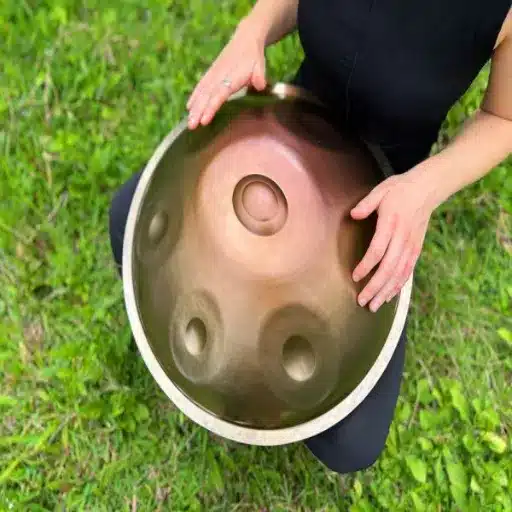
We’ve seen rust, and we’ve heard the gradual decline in the voice of the handpan. I’ve perused the data, and it is crystal clear that, over time, the quality of handpan music diminishes. To the niche within handpan aficionados, those with over a decade of experience, it is crystal clear. Within the first 2 years *without* care, the steel and music rust away. The high titanium and nickel content can be related to metal lounging. Two armor coatings extend your maintenance to about 90 percent.
Encouragement to Enjoy Your Handpan
The handpan is not simply an instrument; it is a means to engage with one’s feelings and absorb the present. Pressure-free creativity is nurtured through gently improvising on the handpan, discovering its distinct sounds and rhythms. Play to unwind and meditate, perform for an audience, get lost in the beauty of the handpan. Every practice session allows one to develop musical skills, provides a platform for musical expression, so relish oneself in the music.
Subscribe for More Tips
Maintaining your handpan appropriately not only lengthens its life but also stabilizes the quality of its tone over time. Below is a compilation of important tips and information that will assist in keeping the quality of the handpan high:
Consistent Cleaning
After each use, clean your handpan with a microfiber cloth so that dust, handprints, and oils that may promote rust are not left behind. For a thorough cleaning, a gentle non-abrasive metal surface cleaner should be used.
Rust Protection
Every several weeks, a light coat of protective oil, such as Froglube or Phoenix Oil, should be reapplied. This is particularly useful for protecting the handpan’s surface, especially in cases where it is constructed of nitrided steel, which is still susceptible to rust.
Best Storage Conditions
Keep your handpan in a cooldown area with low humidity levels to prevent oxidation. The use of a dehumidifier in areas prone to moisture can greatly help in preventing rust.
Travel Safety
If you are moving with your handpan, make sure you have it in a case with padding to prevent dents and scratches from solid impacts. Some high-end cases provide waterproof and shockproof services for an extra fee of about $200–$400 USD.
Repairs and Tuning
If your handpan has been in use, you should schedule routine examinations and retunings at an interval not exceeding two years. The retuning charges should not cost more than $200 USD, and it helps maintain the instrument’s harmony, making it low for the benefit it provides.
Proper attention to the handpan significantly reduces the necessity of wearing it down. Therefore, it is important to look after the handpan to prevent the need for constant repairs.
Reference Sources
- Handpan Manufacturer Websites: Many reputable handpan makers provide detailed guides on maintenance and repair.
- Music Therapy Journals: These may include articles on the use and care of handpans in therapeutic settings.
- Specialized Handpan Communities: Forums or blogs run by experts in the handpan community often provide reliable information.
Frequently Asked Questions (FAQs)
What are common handpan problems I should watch out for?
The typical issues with handpans include dents, tuning problems, rust, and surface scratches. Checking your handpan for any form of damage and taking steps to maintain it properly goes a long way in ensuring that it lasts longer and retains good sound.
How do I fix dents on my handpan?
To fix a dent, you can use soft mallets to gently tap and smooth the area around the dent. This method requires the use of proper care and maintenance techniques. If the dent is severe, seek professional help to ensure that the surface does not incur further damage to the handpan.
How do I protect my handpan in transit?
Always ensure that you use a handpan case padded specifically for handpans when transporting your handpan. Also, keeping your handpan in a stable position during transit helps prevent the occurrence of dents and scratches.
What is the recommended method to clean my handpan?
To clean your handpan, simply wipe it with a microfiber cloth. Using abrasive materials is discouraged since they can physically harm the metal. Cleaning your handpan on a regular basis aids in preserving the sound quality as well as the visual appeal of your handpan.
How frequently must I apply oil to my handpan?
Every few months or as deemed necessary, oiling your handpan will aid in rust prevention as well as maintenance of the finish of the handpan. A specialized handpan oil should be used with a clean cloth to apply a protective barrier to the handpan against moisture.
Is it possible for my handpan to go out of tune? How do I fix it?
All handpans are susceptible to going out of tune after a certain period of time due to temperature changes or impacts. To resolve these issues, a professional tuner will be required as they can delicately fine-tune the notes without causing damage to the handpan.
What actions are recommended when I detect rust on my handpan?
The rust issue must be resolved as soon as possible. It is best to use a dry cloth to gently clean the damaged section and remove as much rust as possible. After that, handpan oil can be applied to the handpan to prevent further rust. As mentioned before, regular maintenance prevents rust from developing.
What can I do to guarantee my handpan sounds perfect?
To guarantee your handpan sounds perfectly, you would need to perform the following: handle the handpan with care, do not expose the handpan to extreme temperatures, and actively look for signs of damage. Markedly, the work that goes into properly caring for and maintaining a handpan contributes to the quality of its sound.
With proper care and maintenance, your handpan will continue to produce beautiful, resonant music for years to come. Remember, prevention is always better than repair!
Slight dents can sometimes be fixed by tuners who are equipped and skilled in restoring the handpan’s surface and sound. But, drastic changes might be unfixable or incur very costly repairs. With a little care during transportation, during storage, and with maintenance tunings, your handpan’s unique sound can be preserved indefinitely.