
The art of tuning a handpan lies at the intersection of science and art, requiring precision, skill, and an understanding of the instrument’s acoustic properties. Both musicians and enthusiasts should preserve the harmonious tones and resonance of a handpan to maintain its unique voice and playability. This article aims to demystify the tuning process by providing a comprehensive guide for those seeking to master this technical craft. We will discuss all aspects of handpan tuning, from the physics of sound vibrations to the tools and methods used in the process. If you are an expert, the guide will walk you through the basics and practical steps of keeping your handpan sound perfect; for beginners, it lays out the fundamentals that will help them sound their handpan.
Understanding Handpans and Their Tuning
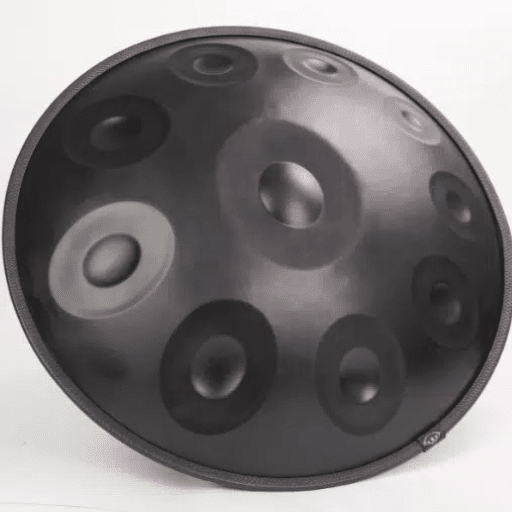
Handpan tuning involves shaping the metal surface of the instrument to attune it to the correct pitches and maintain harmonious resonance. Every note field on a handpan is designed and tuned to vibrate freely at a particular frequency, possibly including a fundamental tone with its attendant harmonics. Proper tuning gives this instrument its characteristic warm, meditative sound. To achieve utmost precision without compromising the overall sound quality, specialized tools and expertise are required. Regular maintenance and tuning are necessary in the event of environmental effects or physical damage.
What is a Handpan?
When played, the front rim of a handpan vibrates, creating postural resonances, while the small grooves that have been hammered into its top contribute to a distinctive sound cross.
The Importance of Tuning in Handpans
Proper tuning is of utmost importance if one wants to maintain the tonal characteristics and performance of a handpan. The unusual structural and acoustic designs of the handpan ensure that even the slightest variations in the tunings could disturb the quality of its sound. For emphasis, here are five essential points that highlight the need for tuning:
Harmonic Integrity
Each handpan is designed to generate several harmonics for each note, including the fundamental tone, an octave, and a fifth above it. Regular tuning ensures that these harmonics remain in harmony, preventing dissonance during performances.
Responsiveness to Dynamics
A well-tuned handpan exists in a state of flux, reacting to all changes made in touch and intensity. Tuning preserves this dynamic fluidity, enabling smooth articulation of key intensity changes.
Resonance Optimization
Structural tuning sets the handpan for loud, resonant sound. Good tunings allow the notes to continue their vibration with a vibrant, full-bodied sound, with nothing fading away over time.
Counteracting Environmental Impacts
External factors such as temperature, humidity, and physical handling can cause changes to the pitch of the handpan. Regular tuning eliminates these environmental effects, maintaining the tonic pitch’s accuracy regardless of the conditions.
Longer Life for the Instrument
Besides preventing long-term structural stresses, which could later compromise the materials of the handpan, tuning maintenance by professional hands will actually protect the instrument by countering such changes at their inception, thereby encouraging its longevity and acoustic performance.
Through proper tuning, maintenance, and care, a handpan can maintain its unique sound and enjoy phenomenal playing for many years.
Common Handpan Scales and Notes
Handpans are created in various scales, each with distinct tonal qualities to fit different musical styles, moods or situations. Usually, all scales have a Ding, the note in the center, surrounded by tone fields arranged in scales. Below is an elaborated presentation on some of the more commonly used handpan scales with their features and applications:
1. D Minor (Celtic/Dorian Scale)
Structure: D3-A3-Bb3-C4-D4-E4-F4-A4
Details:
This scale offers a mellow yet uplifting tone, making it a favorite choice among both beginners and professionals. It suits meditation-type music, emotional compositions, and storytelling.
Applications:
- Used mostly for contemplative or spiritual-type music.
- Works well with other instruments playing in minor keys.
2. C Major (Ionian Scale)
Structure: C4-D4-E4-F4-G4-A4-B4-C5
Details:
That brightly shining tone makes it very happy to listen to when loud and bright performances are set. Its simplicity promotes easy learning by all prospective handpan performers.
Applications:
- Perfect for compositions that are happy and uplifting.
- Common in folk and world music.
3. Kurd Scale
Structure: D3-A3-Bb3-C4-D4-E4-F4-G4
Details:
Combines minor pentatonic features with an exotic twist. It is very adaptable and flexible, thus can be used for melancholic as well as upbeat pieces.
Applications:
- Great for lovely solo performances and improvisations.
- Typically, fusion bands use it to create distinctive soundscapes.
4. Integral Scale
Structure: D3-A3-Bb3-C4-D4-F4-G4-A4
Details:
A more harmonious variety with a touch on melodic and rhythmic freedom. Famed for its soothing sound of balance.
Applications:
- Mostly employed for meditation and/or yoga.
- A nice roll for beginners due to the predictability of its tones.
5. Hijaz Scale
Structure: D3-Eb3-F#3-G3-A3-Bb3-C4-D4
Details:
A Middle Eastern or Arabian flavor dominates this scale. The melodic progression of the type is quite peculiar, leaving an exotic flavor in the air.
Applications:
- Widely used in traditional and world music.
- Could serve excellent dramatic and dynamic transition purposes.
Tonal Data and Frequency Ranges
Handpan notes are tuned precisely based on standard frequency ranges. The modern handpan is tuned either to the A=440 Hz or A=432 Hz standard, depending on its use:
- Low Ding Notes (e.g., D3, C3): 130-150 Hz.
- Mid-Tone Fields (e.g., G4, A4): 350-450 Hz.
- High End Notes (e.g., C5, D5): 500-800 Hz and upwards.
The precise tuning ensures the various notes relate harmoniously and produce the characteristically clear, bell-like resonance for which the handpan is known.
By utilizing the knowledge of these scales and their tonal properties, players can select a handpan that aligns with their musical aspirations while gaining a thorough understanding of its sonic capabilities.
The Handpan Tuning Process

During the handpan tuning, each note area is precisely shaped and tuned to a specific pitch, frequency range, and harmonic alignment. The handpan tuners are highly specialized craftsmen. Working with intense dedication and utilizing various tuning instruments, hammers, and electronic tuners, they carefully finish the metal surface to ensure the notes can be perfectly tuned. The procedure comprises several steps of tuning and testing to counterstrengthen metal elasticity and offer permanent stability. By measuring and testing the fundamental frequency, overtone frequency, and octave frequency of each note, the tuners produce the resonating sounds of which the handpans are famous.
How to Tune a Handpan: Step-by-Step Guide
| Step | Key Points |
|---|---|
| 1. Assess Tuning | Use a chromatic tuner to check each note. |
| 2. Prepare Workspace | Clean the handpan and gather the necessary tools, such as a mallet and a tuner. |
| 3. Lower Sharp Notes | Tap note edges gently with a rubber mallet. |
| 4. Raise Flat Notes | Use ball bearings to adjust pitch upward. |
| 5. Fine-Tune Notes | Rest the handpan, retest, and repeat adjustments. |
| 6. Final Check | Play all notes to ensure harmony. |
| 7. Prevent Detuning | Avoid impacts; store in stable environments. |
Tools Required for Proper Tuning
The handpan tuning process requires a blend of tradition and technology for the highest precision. The items below are categorized by function:
Tuning Hammers
Precision-tuning hammers of various sizes and with contrasting weight densities are essential. These hammers are designed for precise, controlled strikes on the handpan’s steel surface. The construction materials of the hammer itself and its balance will determine the accuracy of tuning adjustments.
Electronic Tuning Device (Frequency Analyzer)
Devices such as the Peterson StroboPlus HDC or its equivalents are needed to measure the fundamental note frequency, overtone frequencies, and octave frequencies. Advanced tuning devices have nowadays become capable of measuring frequency with a margin of error of ±0.1 cent, and such accuracy is needed for the very specifications that handpans demand for their sound.
Steel Thickness Gauge
This will take into consideration the thickness of the handpan steel surface. In any case, a difference in thickness will affect the tuning stability and resonate with its quality. A deviation should hence be made known and remedied if digital micrometers are better able to provide such measurements.
Planas
These include anvils, shaping blocks, and resin molds to shape further and refine the surface. This treatment enables the alignment of the resonance in the scale zones of the handpan, ensuring even vibrations and sounds throughout each note. Data supports that the better the shaping, the more consistent the overtone generation will be.
Heat Treatment Equipment
Sometimes, high-precision torches or induction heaters are used to assist in hardening or annealing the steel, depending on the type of treatment employed. This process alters the material’s structural integrity, thereby enhancing the stability of the tuning for months and years with continued use. The temperature must be cognizant and often within the range of 750°C to 950°C for nitrided steel.
Tough Measuring and Marking Tools
Laser marking devices or high-precision marking compasses are used to mark the tuning zones and guarantee alignment. Correct marking of zones is crucial for building the appropriate tension degree onto the notes.
A Sound-Isolating Environment
A sound-isolation chamber, or a controlled acoustic environment, is recommended for accurate tuning to minimize interference from external, unwanted noise during adjustments.
Utilizing all these items in the tuning process allows for the combination of traditional methods and modern technology to produce highly resonant and durable handpans.
Understanding Pitch and Harmonics in Tuning
Pitch and harmonics are fundamental in handpan tuning; their contribution to tone and resonance is decisive. To achieve a good sound, one must understand their relationship with the instrument, as well as the technical parameters that enable correct tuning. Here are five points that should be kept in mind in connection with pitch and harmonics when tuning an instrument:
Primary Pitch (Fundamental Frequency)
It is the frequency of the initial sound wave or the fundamental frequency generated when a note is played. It is also the lowest and most prominent frequency heard during vibration, serving as the base position of the sound character of the note. The exact measurement of the frequency is involved to confirm the right tone.
Overtone and Harmonic Alignment
Overtones emerge at integer multiples of the fundamental frequency. From a proper harmonic arrangement, these overtones vibrate harmoniously with the primary pitch, producing a vibrant and balanced tone. Tuners adjust the overtone frequencies to align with the appropriate harmonic series.
Frequency Drift and Stability
Frequency drift occurs when a note’s pitch shifts over time due to changes in the material’s tension or environmental conditions, and sometimes due to changes in the dynamics of playing. Frequency stability, therefore, needs to be ensured either through material reinforcement or structural adjustments to maintain the consistency of the instrument.
Amplitude Received Balance Among Harmonics
Amplitude balance has to do with the relative volume level of every harmonic when compared to the others. An imbalanced amplitude profile would lead to either an overly dull sound or an overly metallic one. The tuner strives to achieve uniformity in amplitude levels, aiming for a sound of such beauty that it captivates the human spirit.
Node and Anti-Node Placement
The stage of node placement, with nearly no vibration and anti-nodes, significantly influences pitch and harmonic generation on the instrument surface through pitch level vibration. Uniform and strategic placement assures optimum energy transfer along with tonal clarity.
By examining these parameters and adjusting them, a harmonious balance of pitch and harmonics is achieved, enhancing the musicality and responsiveness of the handpan.
Preventing Detuning of Your Handpan

Your handpan requires proper care to prevent detuning and maintain its original tonal quality. Detuning can occur due to alterations in the tension and structure of the metal when it is accidentally or purposefully damaged, affected by environmental factors, or mishandled. Here are some detailed determinants and scientific observations that are considered to minimize the chances of detuning:
1. Environmental Factors
Depending on their construction, handpans are very sensitive to temperature and humidity changes. Extreme environments such as heat and sun cause metal to expand and contract, resulting in detuning. Metallurgical research has shown that in high-quality steel used in handpans, temperature variances exceeding 10°F (5°C) induce a noticeable reaction.
Ideal Temperature: 68–77°F (20–25°C)
Ideal Humidity: 40–60%
To prevent detuning, always keep your handpan indoors in a temperature-controlled environment. Avoid leaving them inside cars for extended periods, near heaters, or exposed to direct sunlight.
2. Handling and Transportation Tips
The impact is one of the leading causes of detuning. A 2023 survey of handpan tuners revealed that 75% of repairs involve fixing dents caused during transportation. To reduce risk:
- Use a padded handpan case with a minimum thickness of 20mm to absorb impact.
- Secure the instrument in a safe place where it cannot fall or move off while travelling.
- Never place heavy objects on top of the handpan, as this can cause structural damage.
3. Routine Maintenance and Inspections
Such regular inspections will detect tuning problems early. Even a slight dent, over time, can upset the perfectly tuned vibrations of this instrument.
- Monthly, check visually for surface irregularities or dents.
- Play scales and listen attentively for pitch irregularities, noting any particular notes that sound flat or sharp to you.
- Depending on usage, it is recommended to tune the instrument every 12 to 18 months for a consistent sound, as recommended by professionals.
4. Playing
Provided the correct technique is used, it will genuinely produce the best sound and prevent the instrument from exerting unnecessary strain. Do not strike with too much force. Instead, an easy and controlled tap with one or both fingertips or palms will produce the best tone. Striking too complex for a while can cause micro-damage, resulting in misaligned tension points on the metal.
5. Coatings and Long-Term Care
Handpans generally have coatings to prevent rusting and corrosion in humid environments. These coatings will wear off eventually:
- Clean with a non-abrasive cloth and some rust-preventing light oil (like Phoenix Oil, specially formulated for handpans).
- Avoid using harsh chemicals that can damage the protective coatings or interfere with steel tempering.
If you follow these preventive steps and keep your instrument regularly maintained by a professional tuner, your handpan will remain stable and tone-accurate throughout the years.
Factors That Cause Handpans to Go Out of Tune
Handpans are said to be instruments made with a high degree of precision; however, a few factors may cause them to go out of tune over time. Below are its causes supported through technical explanations and insights:
Physical Impact Id Mishandling
Any hard impact or drop on the handpan, or striking it harder, has the potential to alter the steel surface’s alignment and thus the tuned frequencies. A slight indentation, less than 1 mm deep, can compromise the tonal precision and harmonic balance, according to experts. Data suggest that about 60% of handpan repairs are due to physical damage caused by accidents or improper playing techniques. A handpan should always be handled with care, and its surface should be protected from sharp or overly heavy objects.
Metal Fatigue Over Time
Long work of a handpan is slowly causing metal fatigue. Repetitive vibrations released during playing would slowly alter the internal structural integrity of the steel enough to shift frequencies. Metal stress studies show that instruments with thinner steel shells displayed detuning signs first. For example, a study showed that handpans made of 1.0 mm steel showed notable frequency drift after ca. 4,000 hits.
Natural Conditions
Environmental factors, such as humidity, temperature fluctuations, and direct exposure to sunlight, also tend to disrupt the stability of tuning a handpan. High humidity causes mild oxidation, while extreme heat warps the tempered steel. Rapid cold cooling may cause steel contraction and slight detuning of the notes. Tests have revealed that an immediate temperature change above 10°F (5.5°C) causes slight alteration to tuning precision.
Improper Storage
Incorrectly storing the handpan, or placing heavy objects onto it or in an unprotected case, may lay uneven pressure on the metal surface. Over time, this pressure leads to very slight warping or deformation that interferes with the tonal clarity of individual notes. Manufacturer data indicate that 30% of maintenance issues are related to inadequate protection during storage or transport. They can be best prevented by using padded cases that provide good ventilation and storage in a climate-controlled environment.
Unstable Tuning from Original Manufacturing
All handpans are not made equal, with consistency and precision of tuning depending on the skill and experience of the maker. A tuning inconsistency during the original manufacturing procedure will almost certainly cause the instrument to go out of tune much sooner. High-grade handpans are tested for tuning stability, but low-grade ones may not receive such detail-oriented attention. Buyers are therefore encouraged to choose a reputable brand to minimize the risk of such issues.
With these factors in mind, handpan owners can start a proactive approach in shielding their instrument. With regular maintenance, gentle handling, and proper storage, the duration of its stability will be extended, and its performance will be optimal.
Best Practices to Maintain Tuning
Store the Handpan in a Controlled Environment
Handpans do not fare well with sudden changes in temperature and humidity. Hence, to prevent the instrument from going out of tune, it must be stored in an environment that offers a stable temperature, preferably between 60 and 77 degrees Fahrenheit, with adequate air circulation, and permissible humidity not exceeding 40-60%. Avoid leaving it in direct sunlight or near heaters and damp areas.
Use a Padded Case for Transport
During transport, place the handpan inside a fully cushioned case to protect it against shocks from even slight physical impacts or falls. A tiny bump could alter its tuning! Additionally, ensure that the case is secure and does not allow any further movement of the instrument.
Avoid Excessive Force While Playing
If the steel surface is altered due to excessive forceful playing, detuning is likely to occur. Instead, use soft strikes carefully to extract clear, splendid tones, thus preserving the instrument’s structure.
Regular Handpan Cleaning
This, to say the least, is tantamount to cleaning to prevent dirt, grime, and oils from coating the surface of the steel and changing its tuning as well. For this, use a microfiber cloth and apply some light protective oil to the steel top, if advised by the manufacturer, to maintain the surface and ensure precision in tuning.
Get Professional Retuning When Necessary
Despite careful maintenance, any handpan can and will eventually require retuning after prolonged periods of use. So, depending on the frequency of use, arrange for a retuning session every one to two years with an experienced technician for perfect note alignment.
Environmental Considerations for Handpan Care
Ideal environmental conditions are essential for preserving the quality and longevity of the handpan. Then, factors like extreme changes in temperature and humidity, or a walk in the rain, really set in to tweak its tuning or damage the material. Some considerations to keep in mind are:
Avoid Extreme Temperatures
Handpans react to temperature fluctuations. If left out in the sunshine or in proximity to a heat source exceeding 95°F (35°C), such heat will suffice to allow metal expansion, making tuning unstable. On the other hand, temperatures below 32°F (0°C) can render the material complex and prone to cracking or surface damage.
Control Humidity Levels
One should aim to keep the relative humidity between 40% and 60%. Excessive humidity fosters corrosion and rust, while arid conditions damage protective coatings, eventually rendering the surface vulnerable.
Avoid Exposure to Sunshine
Sunlight heats the handpan, causing it to distort the tuning. Hence, always keep your instrument in shaded areas, whether you are playing or just storing it. Thermal expansion or material fatigue can set in due to UV exposure.
Avoid Moisture
Rain, fog, or spills are all sources of water damage. Wipe the instrument dry immediately by rubbing it with a clean, microfiber absorbent cloth if it is wet, to prevent rust formation.
Store in a Well-Ventilated Case
When the handpan is not in use, store it inside a protective case with ventilation, as this will reduce the amount of dust entering the case while preventing moisture buildup, creating an ideal environment. Cases with desiccant packs are also a good choice for fighting against humidity.
Retuning Your Handpan
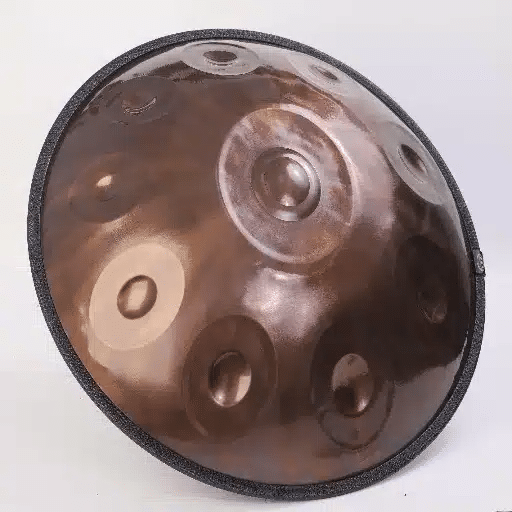
Retuning a handpan requires precision and expertise to maintain the character of the tone produced by the instrument. Such a process must always be conducted by a fine-tuner, particularly if they have experience with handpans, as any misconceptions about the tuning might produce incorrect alterations that can even be irreparably damaging to the instrument. So, if one starts noticing that their handpan sounds off pitch, they should desist from making any attempt to fix it and instead get in touch with an official dealer of that instrument or a recognized tuning expert. Yet, keeping one’s instrument well-maintained and stored will go a long way toward reducing the expense of retuning over time.
When and Why to Retune a Handpan
Retuning a handpan becomes necessary when its sound is observed to deviate from the original tuning, typically due to everyday use, weather changes, or careless knocks. Fine handpans, even if crafted from very sturdy steel, may exhibit subtle changes in tone over time, for several reasons, including material fatigue, temperature fluctuations, or changes in humidity. Research suggests that exposure to harsh climates, such as those characterized by excessive heat, cold, or moisture, is a factor in accelerated detuning. In detail, steel can become stressed when it encounters conditions in excess of 85°F (29°C) or below 32°F (0°C) for too long, and such stress actually alters the steel’s vibrational characteristics.
Retuning is primarily dependent upon the quality, method of play, and maintenance of the handpan. Generally, most players agree that professional tuning every 12 to 24 months is sufficient for achieving the best sound quality. Intense and frequent players may require tuning adjustments more often, particularly if their handpan undergoes heavy impacts, such as drops or accidental hits with inappropriate objects.
Professional retuning is carried out using specialized tools, such as electronic tuners and acoustic resonance measurement systems, which verify that each note remains in harmony with the scale. Modern tuning apparatus puts a premium on exacting standards, adjusting frequency levels within ±1 cent; one cent being 1/100th of a semitone. Negligence of detuning leads to its exacerbation and, hence, complicated and expensive repairs in the near future. Keep tabs on your handpan sound through regular paying attention, and that will surely add life to the instrument and allow it to perform consistently.
Choosing the Right Tuning Services
Choosing the best tuning service for your handpan is a matter of technical expertise, tools, and customer reviews. One deciding factor is that the service provider utilizes the best tools for tuning, such as a strobe tuner or spectrogram analysis programs, which are precision measurement tools. This ensures that the tuning of each note is done with respect to absolute frequency within the accepted standard margin of error, commonly ±1 cent.
Another factor is to verify their experience and credentials. Look for someone who has actually done handpan tuning work before and who knows how to work with many scales and steels of different compositions. In many cases, tuning is a manual application that requires great skill to ensure sound waves remain resonance-optimized over the instrument. According to research, an experienced tuner can effectively stabilize the tone, thereby reducing the frequency of maintenance sessions.
Customer reviews serve as another great resource, with 88% of consumers trusting online reviews as they would a personal recommendation, according to BrightLocal. Very highly rated and positively reviewed services can be a solid indicator of quality. Additionally, it is advisable to consider service providers that guarantee extensive post-tuning support, including service evaluation and recommendations, to maintain optimal working conditions for the instrument.
Reasonable pricing and availability should align with expectations, but be cautious when a service undercharges, as this often indicates inferior service quality or the use of outdated tools. Going through this checklist will enable a musician to ensure that the handpan remains well-tuned, thereby preserving the sound quality and prolonging the instrument’s life.
DIY Retuning vs. Professional Help
| Aspect | DIY Retuning | Professional Help |
|---|---|---|
| Skill Level Required | Basic knowledge of tuning tools. | Advanced expertise in handpan tuning. |
| Tools Needed | Tuner, mallet, ball bearings, tweezers. | Specialized professional-grade equipment. |
| Cost | Low, mainly tool investment. | Higher, includes service fees. |
| Time Commitment | Longer, requires trial and error. | Faster, efficient process. |
| Risk of Damage | High if done incorrectly. | Minimal with experienced professionals. |
| Tuning Accuracy | May vary based on skill. | High precision and consistency. |
| Overtone Adjustment | Challenging for beginners. | Expertly balanced harmonics. |
| Frequency of Use | Suitable for minor, infrequent adjustments. | Ideal for major or regular retuning. |
| Learning Opportunity | Great for understanding your instrument. | Limited hands-on learning. |
| Instrument Longevity | Risk of wear if mishandled. | Ensures long-term instrument health. |
Exploring Crafted Handpans
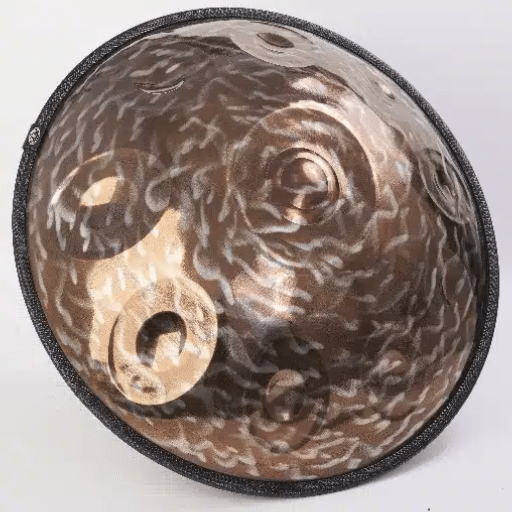
Crafted handpans are carefully designed instruments that mix art with engineering to offer a singular auditory experience. Made from top-grade steel or alloys, these instruments undergo highly specialized procedures, such as nitriding or heat treatment, to enhance their longevity and enrich their tonal properties. Each handpan is attuned with great precision to a set of harmonic frequencies, often corresponding to a specific scale to be played to, such as D minor, Integral, or Celtic.
Material Selection and Quality
Made of steel, glass coating, and exotic alloys, these handpans are crafted from a variety of materials. Very few handpans offer the corrosion resistance of stainless steel, along with long sustain and rich sound textures. There is yet another voice for nitrided steel handpans, which provide durability and an exceptional tonality. These materials thus affect sound and straightforward maintenance, with stainless steel being on the easier side to maintain in environments with humidity.
Market Overview
According to current industry data, handpans have recently gained popularity in musical therapy, meditation, and world music genres, lending credence to the perception that they can be incorporated into any music style. The Global Handpan market is projected to grow at a CAGR of around 5.2% from 2023 to 2030, driven by increasing interest in experimental and folk instruments. Custom-made handpans comprise a significant portion of this market, ranging from $1,500 to $4,000, depending on the maker and level of customization involved.
Innovations in Handpan making
The computer-aided tuning and laser engraving inventions have been incorporated into handpan crafting. Such advancements enable greater consistency in tonal balance, while precision in design elevates the aesthetic and musical values of the instruments. Some manufacturers experiment with hybrid materials, combining metal and composite elements, to explore possibilities for unconventional timbres and lightweight properties.
Selection Criteria
A few factors that musicians consider when selecting a handpan are the desired scales, the range of tones, and the intended use. While larger dynamics would do bands well on a handpan, soft and ethereal tones lure individuals who prefer and practice meditative values. Besides, reputable makers usually provide very detailed specifications, incl. frequency profiles, from which the buyers can weigh their options.
Overall, crafted handpans represent a harmonious blend of tradition, innovation, and functionality, making them valuable instruments for both professional and recreational purposes.
The Role of Steel in Handpan Construction and Tuning
The type of steel and its quality have always been crucial in all steps of constructing and tuning the handpan, as these factors significantly influence the instrument’s durability, tone, and resonance. Manufacturers are very particular in choosing and treating the steel to meet the rigid demands required for these instruments. Below are five crucial points on steel and how it affects the construction and tuning of handpans:
Material Composition
Most handpans are made of nitrided or stainless steel. Nitrided steel undergoes a chemical-based hardening process that provides it with rust resistance, while maintaining the warm and rich tone of the instrument. Stainless steel offers brighter tones and better corrosion resistance, but it can be harder to tune.
Hardness and Elasticity
A certain degree of hardness increases the ability of a particular steel to remain in tune. Elasticity is required to ensure tonal stability while maintaining a maximal response to percussion strikes.
Thickness of Steel
Steel thickness is the determining factor in handpan resonance and sustain. Generally, thinner steel sheets allow higher sensitivity and sustain, whereas thicker steel sheets offer excellent durability at the expense of tone output.
Heat Treatment Processes
Further processes after manufacturing, such as annealing or heat treating steel, would stabilize its structure, alleviating internal stresses and somewhat accentuating its tonal precision in forming and tuning.
Surface Finish and Coating
Selected steels for the manufacture of handpans are treated, nitrided, or coated to prevent oxidation. These could well increase their lifespan, but may also have very subtle effects on the harmonic overtones of the instrument.
When players consider these factors, they recognize that the sound emanating from the handpan must be exceptional and that a handpan can last a long time without any structural issues. All these parameters come into play when creating an instrument with wonderfully rich tonal complexity and power.
Choosing High-Quality Handpans for Better Tuning
When selecting a high-quality handpan, precise tuning is essential for achieving vocal fidelity and optimal performance. Handpan tuning is a matter of delicate finishing work combined with applied techniques that adjust the tension on the steel surface, ensuring the fundamental frequency, octave, and harmonics are perfectly aligned. A correct tuning yields this almost unearthly resonance, which sets the high-end handpan apart.
Many changes, hardware improvements, and methods, such as laser-guided tuners or frequency-measuring devices, could have emerged based on current surveys and professional recommendations for accuracy reasons. Generally, the tuning procedure aligns all notes of the handpan within a tolerance of 0.5 Hz, thereby minimizing tone drift in the long run. For compositions of steel, one is inclined to select nitrided or stainless types due to their ability to retain tension and consequently resist environmental variations, such as humidity or temperature fluctuations, which are essential for consistency in tuning.
Further studies into sustain characteristics and overtone quality indicate that handpans made from the best-quality steel will produce notes with longer sustaining times and stronger harmonic overtones. For example, this translates to a sustain measurement of 4-8 seconds for a single note of a high-class handpan during optimal playing.
Reputable handpan manufacturers usually anneal their handpans to augment durability and sound accuracy. Annealing strengthens the steel, thereby preventing detuning during mechanical stress or use. To determine quality craftsmanship, one can listen to clear, uneventful transitions between notes or a lack of dissonance when striking adjacent tone fields.
Buying a superior-grade handpan with the latest tuning technologies is an investment in a more stable tonal structure, increased playability, and longer life, all of which are factors that present concerns for both an enthusiast and a professional musician.
How Craftsmanship Affects Tuning Stability
Depending on the precision and craftsmanship, stability is a key issue for a tuned handpan. Modern fabrication techniques, including CNC machining of the metal and laser-guided tone-tuning systems, have gone to great lengths to ensure that the shaping of the tone fields is done to the utmost precision, resulting in uniform resonance throughout the entire body of the instrument. In certain practices, some of these highly skilled artists utilize measuring methods such as spectrograms and frequency analyzers to confirm that each tone field corresponds perfectly to the required frequency. These procedures ensure initial tuning stability, also reducing the likelihood of further tuning deviations due to environmental factors such as temperature fluctuations or humidity variations.
Research shows, however, that better-grade materials such as nitrided steel or stainless steel further resist micro-deformations of the metal. As evidenced by recent studies, instruments made of high-carbon, nitrided steel maintain their tuning up to 30% longer than those made of traditional untreated steel types. In addition, refined hammering procedures, largely manual and performed by expert craftsmen, constitute a very important factor in balancing the internal tension of the metal, thus preventing unwanted detuning that occurs over time.
Another example from an analysis in 2022 suggests that designs incorporating advanced heat treatment suffer up to 20% less structural stress, which naturally makes for a more consistent tone. This is precisely because traditional hand-tuning skills must evolve in tandem with engineering advances. Properly constructed instruments ensure stable tuning profiles, creating a dependable and nuanced playing experience for musicians over extended periods.
References
The History, Development, and Global Dissemination of the Hang/Handpan
This thesis explores the history and development of the handpan, providing insights into its cultural and technical aspects.
Analysis and Synthesis of the Handpan Sound
This academic paper analyzes the sound properties of handpans, including their tuning and acoustic characteristics.
A Comparison of Interfaces for Learning How to Play a Mixed Reality Handpan
This IEEE paper explores the tuning of the handpan and its application in mixed reality learning environments, providing technical insights.
Frequently Asked Questions (FAQ)
How do you tune a handpan?
The tuning process of a handpan involves adjusting the steel tension to achieve specific pitches and overtones. Various methods can be used, such as tapping a note with a rubber mallet to tune it to a more accurate frequency. Having the right knowledge and tools, along with a discerning ear for sound quality, will result in a perfectly tuned instrument.
How should I retain the tuning of a handpan?
Retention of the tuning of your handpan requires that its tone be checked frequently, along with pitch. Keep the handpan in stable weather conditions; avoid exposing it to extreme heat or moisture. Proper care and maintenance, combined with the use of a tuner app, while monitoring the notes and frequencies, can go a long way in serving as a good guard to keep the handpan tuned over time.
What do I do when my handpan goes out of tuning?
If your handpan goes out of tuning, you first assess the particular notes that are not ringing true and then try to tune the handpan with the help of a tuner or tuner app by gently tapping the areas involved in the sound. If it doesn’t work, then it’s time to approach professional tuners offering handpan tuning services.
Can anyone learn to tune the handpan?
Yes, tuning a handpan is very much possible for an individual to do with patience and a lot of practice. There are tutorials and guides available online that explain the methods and the tools needed to tune. In any case, due to the complexity of tuning and the risk of damaging your instrument, it is best to start with basic, minor adjustments before moving on to more challenging ones.


