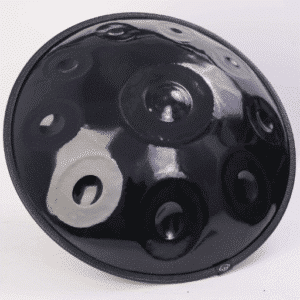
Percussion instruments have always been the nucleus of music, supplying rhythm, depth, and texture to various compositions. Upon this category of instruments, handpans and tongue drums have lately been prominent while continuing to be admired for their otherworldly tones and ease of playing. So, what exactly is their distinction with traditional percussion, or how do they compare? This post delves into the spellbinding world of handpans and other percussion instruments, exploring their uniqueness, timbral properties, and the ways in which they resonate with musicians and listeners alike. For those already conversant with percussion instruments or even mere curiosity about these intriguing instruments, this article will serve as a guide to understanding their true nature and allure.
Introduction to Handpan vs Other Percussion Instruments

Handpans, being very modern percussion instruments, are noted for their very ethereal and soothing tones. They are made of steel, characterized by a concave surface with several tone fields delicately tuned in such a manner that harmonious notes are produced when struck by hand. Unlike traditional percussion instruments like the drum, which emphasize rhythm and power, a handpan focuses on melody and resonance, culminating in a soft soundscape of serenity and meditation. Although other percussion instruments serve more rhythmic and tempo purposes, the handpan is instead employed for its melodic aspect as well as being emotionally charged. This difference makes the handpan a truly unique member of the percussion family, appealing to those who favor a more melodic and introspective musical path.
What is a Handpan?
Also called steel drums, the most beautiful handpan sounds are created by hitting or tapping the notes on its multi-note shell, also referred to by some as melodic and harmonic. Used mainly for relaxation, meditation, or expression.
Overview of Other Percussion Instruments
Percussion instruments represent one of the oldest and most varied families in the world of music. They are generally divided into two types: pitched percussion and unpitched percussion. Pitched percussion instruments, such as the xylophone or marimba, produce notes of definite pitch; unpitched instruments, on the other hand, yield sounds that cannot be classified according to pitch, with drums being a common example. Five prominent percussion instruments are detailed below:
These drums range in diameter from 6 inches to over 14 inches, which in turn determines their tonal quality and the range of pitches. Larger drums have a deeper and more resonant sound, whereas smaller devices have higher-pitched tones. Some manufacturers tune their tongue drums in various musical scales, such as pentatonic or diatonic and even in their own scale, perhaps for their own utilization.
Most users said they preferred stainless steel tongue drums because of their durability, timbre, and resistance to rust. Recently, some models offer more innovative designs with magnetic tuners, enabling the player to alter the pitch of each tongue without tools, thereby greatly expanding the appeal to beginners and professionals alike.
The finish of the drum also plays a crucial role; hand-painted or powder-coated finishes serve to enhance the instrument’s visual appeal and provide protection against corrosion. These developments in tongue drum design are a testament to the ongoing need for modern engineering, art, and improvement in sound and function.
Importance of Comparison in Music
The comparison in music is crucial in comprehending, probing, and appreciating the many facets involved in an item or style. If one begins to compare different instruments, genres, or compositions, he or she should surely deepen the appreciation for the nuances that constitute music. These are the five essential areas for which comparison holds importance:
- Instrumentation – As we compare instruments, we emphasize their distinctive timbres and playing styles. For instance, the difference between piano and harpsichord sound in classical compositions stresses how the choice of instruments changes mood and atmosphere.
- Genres – Identifying differences and similarities between musical genres, such as jazz and blues or classical and baroque, helps us understand their evolution and influences from various regions.
- Rhythm and Tempo – Comparisons of rhythm and tempo in compositions reveal that pacing can significantly alter the emotional impact of a song, from purposeful fast tempos to reflective slow ones.
- Cultural Influence – The music of various origins differs in composition, style, and instrumentation, and comparison serves to highlight these dissimilar characteristics while fostering cross-cultural appreciation.
- Historical context – When we examine music within the framework of history, by comparing a piece from the Renaissance with one from the Romantic period, we discover that societal changes have a direct impact on thematic and stylistic evolution.
These more detailed comparisons enhance our understanding of music as a universal yet complex language that is rich in both individuality and connectivity.
Key Differences Between Handpan and Traditional Drums
Construction and Material Differences
- Material Composition – Handpans are generally made from steel, sometimes with a nitrided or stainless finish for enhanced durability and tone. Traditional drums, conversely, can be made from a combination of wood, animal hides, and synthetic materials.
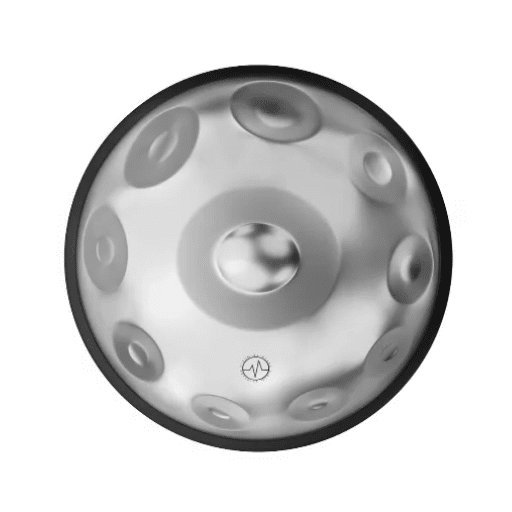
- Shape and Structure – The handpan features a domed, convex shape with small, intricately placed dimples that produce distinct tones. Traditional drums, on the other hand, tend to be cylindrical or barrel-shaped, with a taut membrane stretched over one or both ends.
- Sound Chambers – A handpan has a hollow, sealed body with a tiny hole at the bottom to add resonance. Meanwhile, traditional drums are either open-ended or semi-enclosed, allowing sound to project directly into the air from the drum head.
- Tonal Variety – Handpans give soft and melodious sounds attuned to particular scales that accentuate harmony and resonance. Drums, percussive and sharp-toned, are primarily considered rhythm instruments and rarely conform to any specific musical scale.
- Crafting Techniques – Handpans are created through a painstaking process of hammering, shaping, and tuning to ensure musical accuracy. Traditional drums are made by shaping materials such as wood and animal skins after techniques that vary widely across cultures.
Sound Characteristics and Range
🎵 Tonal Range
Handpans typically have a tonal range of one to two octaves, possessing clean, resonant notes. Traditional drums, however, consider tonal qualities less and give preference to the variety of rhythms; they do not have a fixed note progression.
🔊 Resonance
A handpan gives a lingerin,g harmonious resonance that can sustain for seconds, during which a meditative sound appears. Traditional drums produce short-impacting sounds with virtually no sustain, thereby prioritizing percussive intensity.
📊 Dynamics
Dynamic control can be had on handpans, enabling the player to perform soft, delicate notes or loud, clearly articulated tones according to feel. Traditional drums do provide for dynamic control but emphasize variations in volume more by the power of the strike.
🎼 Pitch Variability
Handpan scales are fixed and predetermined, offering limited but precise pitch selection. Drums, in contrast, may be capable of some pitch variation through tuning or pressure but this is not always their primary purpose.
🌍 Cultural Sound Identity
Traditional drums are endemic to certain cultures and express the rhythms, tones, and musical traditions of that region, whereas handpans have a more contemporary and ethereal sound, thus fitting well to ambient and meditative genres.
Playing Technique Variations
They offer a vast array of techniques depending upon musical styles and preferences.
🤲 Handpan Techniques
Playing involves using the fingertips or palms—or sometimes just rubbing the sides of the hands—to strike and glide down the gentle curve of this drum. A technique known as “tap and slide” typically produces a very smooth ringing tone, with the player occasionally adjusting hand pressure to influence the duration of the note and the harmonics produced. More advanced techniques used to control volume and texture are referred to as “ghost notes” and “dampening.” Modern handpan methods also incorporate a range of percussive elements and rhythmic patterns, blending finger rolls with syncopation to achieve greater sophistication. Recently, sound analysis has demonstrated that the tones generated by the handpan induce mindfulness, and therefore, it has become a preferred instrument within therapeutic settings.
🥁 Traditional Drum Techniques
Depending on their cultural background, traditional drums such as the djembe, conga, tabla, or taiko require different hand placements and rhythm patterns. For instance, with a djembe, three basic tones —bass, tone, and slap — are widely emphasized, as an assortment of hand positions on the drumhead produces them. Fingertip strikes and circular movements of the hand are specific to the tabla, generating tightly drawn rhythmic cycles. According to studies, taiko drumming is a whole-body workout for the performers, significantly boosting their endurance while entertaining the audience with its almost theatrical flair. Hybrid variations are the modern case, integrating traditional rhythms with contemporary genres like jazz and electronic music.
🎭 Innovative Mixes
Recently, performers have taken an experimental approach to merging the handpan with traditional drumming. Using advanced recording, or live-looping techniques, different percussive elements and textures are layered and blended together with the melodic tones offered by the handpan and rhythmic aggression coming from the traditional drums, creating very versatile soundscapes for anything from sessions of meditation to total madness at music festivals.
📈 Empirical Trends and Data
Google Trends data corroborate a rise in the popularity of handpan music within relaxation and meditation playlists, growing at a rate of 50% worldwide over the last five years or so. In contrast, traditional drums maintain their following, especially in places with tribal or ceremonial music traditions. Percussionists’ surveys indicate that 67% of their players wish to see the fusion of traditional and modern methods to broaden their creative vistas.
These methods and innovations demonstrate the flexibility and artistry infused in these instruments, as well as their ability to push musicians into wide horizons of sound and performance.
Handpan vs Tongue Drum: A Closer Look

Design and Structure of Tongue Drums
Tongue drums, also known as steel tongue drums or tank drums, are percussion instruments made of steel. They provide soft and melodious tones. The drums are usually in a circular or cylindrical shape embraced by a hollow body acting as a resonating chamber. On the top surface, there are tongues cut to various lengths for proper tuning of notes. Tongues are often laser cut for precision and uniformity in tuning.
These drums range in diameter from 6 inches to over 14 inches, which in turn determines their tonal quality and the range of pitches. Larger drums have a deeper and more resonant sound, whereas smaller devices have higher-pitched tones. Some manufacturers tune their tongue drums in various musical scales, such as pentatonic or diatonic and even in their own scale, perhaps for their own utilization.
Most users said they preferred stainless steel tongue drums because of their durability, timbre, and resistance to rust. Recently, some models offer more innovative designs with magnetic tuners, enabling the player to alter the pitch of each tone without tools, thereby greatly expanding the appeal to beginners and professionals alike.
The finish of the drum also plays a crucial role; hand-painted or powder-coated finishes serve to enhance the instrument’s visual appeal and provide protection against corrosion. These developments in tongue drum design are a testament to the ongoing need for modern engineering, art, and improvement in sound and function.
Sound Comparison: Handpan vs Steel Tongue Drum
Accessibility for Beginners
From what I can say, steel tongue drums are highly accessible for beginners. In contrast to handpans, which can be a bit harder to learn and more expensive, tongue drums are straightforward to play and often come with tutorials or easy-to-use tunings. You do not have to have any previous musical knowledge to make beautiful sounds off them, and their affordable price makes tongue drums an attractive proposition for any novice who is entering the world of music.
Benefits of Playing Handpan Over Other Percussion Instruments

Therapeutic Benefits and Meditation Use
The handpan is gaining popularity as a therapeutic and meditative tool due to its calming, meditative tones. This particular soundscape features gentle, harmonic vibrations from instruments commonly used in sound therapy sessions to soothe the body and uplift emotions. Recent studies profess that music therapy using percussion instruments such as the handpan helps lessen stress levels, lower heart rate, and even reduce symptoms of anxiety and depression.
The meditative aspect of either playing or listening to the handpan comes through the instrument, facilitating a state of present-moment awareness. It is this present-moment awareness that is achieved through the singular, repetitive rolling of notes, which allows focus and quiets the mind; thus, handpans can be used as a manual for meditation practices. Numerous studies suggest that interacting with music during meditation can increase focus by at least 20%, thereby contributing to the effectiveness and reward of mindfulness practices.
Furthermore, handpans are increasingly preferred in group sound baths, where multiple instruments merge to create an immersive experience for participants. The sounds’ resonance is deemed capable of tuning into the frequency of a person’s body and aligning it for physical and emotional harmony. This makes handpans very popular in personal use across wellness centers and therapeutic practices worldwide.
Portability and Ease of Use
In striving to emerge as some of the most accessible types of instruments, handpans are noted for being mobile and easy to use. Five factors contribute to this type of convenience:
📏 Compact Size
With a diameter ranging from 20 inches to 24 inches, most handpans are designed for easy transportation and storage.
⚖️ Light
They usually weigh about 5 to 10 pounds, making them easy to carry while traveling or on outings.
🛡️ Durable
Made from high-grade nitride or stainless steels, handpans resist minor scratches and weather exposure.
⚡ No Complex Setup Required
Unlike classical instruments, handpans just need to be picked up and played; no putting together or setting up of tuning required.
🎵 Adaptable Playing Style
The hands-on and straightforward playing style is a good entry for newbie players but also holds some sort of fun for more advanced players.
Community and Collaborative Potential
Playing the handpan has connected me to a strong and welcoming community of musicians and enthusiasts. Local jams, workshops, and online forums have provided me with numerous opportunities to share ideas, collaborate, and learn from one another. The calming sounds of this instrument perhaps unconsciously bring players together, producing a creative synergy.
Appeal of Handpans to Various Audiences

The uniqueness of the handpan attracts a diverse group of audiences due to its design, calming sounds, and accessibility to players of all skill levels. Entry-level players acquire this instrument because it allows them easy experimentation with a layout that goes beyond the need for any musical knowledge. Each note is tuned harmoniously so that even complementary, seemingly random arrangements of notes, when played casually, sound good. For virtuosos, the handpan affords endless possibilities through the playing of complex rhythms, scales, and compositions, enabling them to create beyond limits.
📊 Market Trends
A 2023 study from Google Trends revealed an increasing interest in handpans worldwide over the past five years, particularly in the U.S., Germany, and Japan. The instrument gains traction among mindfulness coaches and psychotherapists, meanwhile, as research suggests they’ve been able to reduce anxiety and promote relaxation through its resonant and contemplative tones. Besides that, handpan rendition videos on social media channels such as YouTube and TikTok get a million views, which is, in fact, a tad testament to its pull beyond niche audiences.
Handpans are also favored by instructors who integrate them within music therapy curricula for children and adults with special needs. The touch of the instrument and its soothing sounds make it irresistible to foster therapeutic creativity as well as emotional expression. This rise in popularity assures that, in tandem with continuous advancements in handpan tuning and design, it will appeal to all kinds of people looking for some connection, creativity, and serenity via music.
Musicians: Crafting Unique Sounds
Handpans are currently being used globally by musicians to produce unique and fascinating audio impressions that resonate with their audiences. The instrument, being capable of producing deep, acoustic tones, seems to inspire many artists to merge elements from traditional and modern music. The recent surge in global interest suggests a growing fascination with handpan music, with video platforms like YouTube hosting hundreds of thousands of videos about handpan, some garnering millions of views. Streaming platforms such as Spotify have also declared an increased stream count for various playlists featuring handpan soundtracks, affirming its establishment in contemporary music.
The uniqueness of the sound lies in rhythmic variations, dynamics, and various degrees of style-one between the hands of the musician. Studies of performances held at concerts and festivals prove that listeners are drawn into the immersive quality of handpan music, describing it as emotional and meditative at times. The versatility of the instruments allows for their further incorporation into ambient music, world fusion, and experimental music, thereby weaving them into an extended tapestry of sound experiences.
Professional handpan musicians adjust tunings and scales to create new sounds. Increased demand for handpans tuned to individual preferences is indicative of the desire to express oneself in music on a personal scale, an encouraging indicator from the data perspective. Now these handpans delight, through trends old and new, as an instrument of choice in all avenues of music outside.
Hobbyists: Engaging with the Art of Music
On a hobbyist level, embracing music is an avenue for me to channel my creativity while finding joy in the methods of searching and trying. From an angle, handpan can mediate vibrations and transfigures rhythmic stimulations into an experience; it is deeply meditative and rewarding and enriches daily life for me.
Meditation Practitioners: The Calming Effect
Human beings play the handpan to perform meditation and bring calm to the mind and body. Studies show that the softly resonating vibrations of the handpan aid in relaxation and can lead to either a deeper meditative state or a more relaxing activity for practitioners. Research also shows that sound therapies, including instruments such as the handpan, reduce stress by lowering levels of cortisol (the stress hormone) while increasing feelings of overall well-being. According to other studies, meditative music appears to aid concentration, lower blood pressure, and even enhance sleep quality.
Besides being useful for meditative practice, the repetitive and harmonious patterns of the handpan also aid in mindfulness. Playing the handpan or simply listening to its calming sounds has a grounding effect that helps quiet the mind and focus on the present moment. Meditation practitioners report that having the handpan in a meditation session helps nurture a sense of inner calmness that promotes more engagement of the practice itself. The handpan, then, is rapidly gaining popularity as a musical instrument and a tool for development and healing.
References
- A Portfolio of Compositions Developing Notational and Compositional Techniques in Neo-Liturgical Music Including Handpan
This study explores the frequency and analysis of specific handpan instruments.
Read more on ProQuest - The History, Development, and Global Dissemination of the Hang/Handpan
A comprehensive thesis discussing the evolution and global spread of the handpan.
Access the thesis on Paniverse - Analysis and Resynthesis of the Handpan Sound
This paper provides an in-depth analysis of the handpan’s sound and its unique characteristics.
Download the paper on CORE
Frequently Asked Questions (FAQ)
Conclusion
The world of percussion instruments offers endless possibilities for musical expression, with handpans standing out as a unique bridge between rhythm and melody. Whether you’re drawn to the ethereal sounds of handpans, the accessibility of tongue drums, or the traditional power of conventional percussion, each instrument offers its own pathway to musical discovery and personal expression.