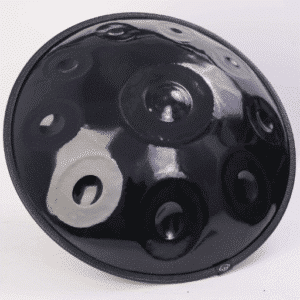
When it comes to mesmerizing instruments that hold a unique melodic appeal, the handpan and hang drum have attracted a worldwide clientele in their favor. Unable to capture the attention of performers with their ethereal tones and intuitive playability, these steel percussion instruments are commonly mistaken for one another or misconstrued. To clear up the confusion, this post explores the primary differences between the handpan and the hang drum, allowing you to appreciate each instrument for what it truly is. This guide will provide valuable information to help seasoned players, curious novices, or amateur music lovers alike choose one of the two that suits their liking and music objectives. Join us in uncovering the fascinating history, manufacturing process, and sound worlds of these beloved instruments!
Origins of Handpan vs Hang Drum

The handpan and the hang would be considered similar: having a common progenitor but different of course. In 2000, the PANArt associates Felix Rohner and Sabina Schärer invented the hang drum. Being the first of its kind, it has a convex steel shell and is played by striking the different surfaces tuned with the hands. The name “handpan” emerged later as other manufacturers began producing similar instruments inspired by the hang drum. These instruments share identical aesthetics and playing methods but hail from different manufacturers. Technically, the “hang drum” would refer to the original PANArt creation, whereas “handpan” would serve as an umbrella term for all related instruments from different makers.
History of the Hang Drum
The hang drum, or simply “hang,” was conceived in the year 2000 by Felix Rohner and Sabina Schärer for their PANArt studio in Bern, Switzerland. Inspired by traditional steelpan drumming from Trinidad and other worldly instruments like the ghatam and the gamelan, the duo set out to design a completely new percussion instrument with a distinct, convex steel body. The name “hang” originates from the Bernese German dialect and means “hand,” emphasizing that the instrument is predominantly played by hand.
In the early days, the instrument was overshadowed by underground musicians and street performers. The ethereal beauty of its sound enamored all and spread its fame through word of mouth and early internet forums. Hang drums were made by PANArt for almost ten years, with each piece being handmade and restricted in distribution. They were known to refuse offers for mass production, which twinned the allure of these hang drums.
Such fascination by the early 2010s gave rise to similar instruments on a global scale, with names like “handpan” beginning to be used as other producers, such as Electric Valley, Yishama, and Ayasa, emerged. According to recent searches and data on interest in melodic percussive instruments, worldwide searches for handpan have remained on a steady upward trajectory, particularly in countries such as the United States, Germany, and Japan.
Currently, the hang drum and its derivatives find their place in various genres. The handpan is used in Western classical productions, meditation music, healing sound sessions, and even in experimental electronic genres. Even with new producers in the arena, the original PANArt hang is still highly sought after, with several of the originals changing hands on the secondary market for prices ranging from $6,000 to more than $10,000. This clearly illustrates the instrument’s valuation and also underscores its emergence and evolution into a cultural phenomenon.
Evolution of the Handpan
Since the designation of PANArt’s Hang was the first-ever handpan in 2000, so much has changed in these two decades, both in morphology and in function. It was initially designed as a steel percussion instrument, inventing a new musical category that straddled the worlds of percussiveness and melodic tones bona fide. Over time, manufacturing companies began producing their own versions of the handpan, incorporating innovative materials and designs to enhance the instrument’s both aesthetic and acoustic qualities. Today, instruments are designed to accommodate a wide range of tunings and scales, including pentatonic, diatonic, and Eastern-inspired modes, among others, thereby presenting musicians worldwide with limitless ideas.
Technological advancements have significantly contributed to the further development of the handpan today. Present-day manufacturers have refined hydroforming and precision-tuning methods to ensure greater consistency in resonance and sound quality. To increase the durability and sustainability of the handpan, allowing for long-term use in performing or traveling, some makers may incorporate heat treatment and specially designed alloys.
According to industry data, the few years that have just passed seem to have witnessed almost explosive growth in the handpan’s global popularity, driven by the rise of social media platforms and international connectivity, which have served as the basis for such towering popularity. Searches relating to handpans, along with tutorials, have increased exponentially over the past five years, with online communities boasting several hundred thousand members. Also, the place the instrument occupies in meditation, yoga, and mindfulness has created a demand for the handpan’s soft and ethereal tunes. While there is more production, good-quality handpans still command premium prices, averaging $2,000-$5,000 for top-tier models. The original PANArt Hang maintains an elite status among collectors and musicians worldwide. In conclusion, this evolution marks the culmination of how a small, innovative spark has blossomed into a world-loved and viable instrument.
Influence of Panart on Both Instruments
PANArt, as the original canvas for the Hang, has profoundly affected the design, culture, and evolution of both the Hang and handpan. Here are some major influences exerted by PANArt on these instruments:
Innovative Design
PANArt was the first to use nitrided steel, a material specially treated for durability and able to hold tuning, setting a precedent for all handpans thereafter. This advancement was instrumental in giving the instrument its enigmatic resonance and rich tonal harmonics.
Introduction of the Tone Circle Concept
PANArt introduced a tone layout, which arranged notes in a circular fashion around a “Ding” at the top. The circle design greatly enhanced playability and also gave rise to various musical scales, thus ushering in new ways of musical expression.
Enhancement of Worldwide Recognition
Furthering the exposure of the Hang to the world, PANArt has elevated the dignity of the Hang from that of a mere toy to a potent realm of musical and spiritual expression through international shows and concerts, alongside limited production.
Emphasis on Acoustic-Tuning Consciousness
PANArt, because of the tuning techniques practiced, has instilled in the community of fine tuners the idea of striving toward perfection. The very fine-tuning that the Hang allows creates harmonic overtones that have become the ideal that most other handpan makers today strive to imitate or build upon.
Cultural and Therapeutic Influence
The instruments produced by PANArt have helped to bridge music with mindfulness. The gentle, meditative sounds of the Hang found favor in yoga studios, therapy sessions, and scientific inquiries into sound healing. The same concept has influenced the makers and users of subsequent handpans.
Key Differences Between Handpan vs Hang Drum

Construction and Build Quality
The crafts of making handpans and Hang drums belong to two distinct traditions, which arise from differences in manufacture and in philosophy. Both drum families are made from sheets of steel, which are shaped, tuned, and processed to yield their peculiar sounds. Yet, metallurgical and manufacturing advances have made it possible for modern handpans to develop a slightly higher quality.
Material
The original Hang drums by PANArt were fabricated from a nitrogen steel called “Pang” steel, specially developed for durability and sound consistency. In contrast, modern handpans use a wider variety of materials, including stainless steel, for greater rust and corrosion resistance, as well as to produce a brighter tone. Suggestive data indicate that stainless steel handpans are most preferred because of their longevity and hence retaining their tuning for a longer duration.
Tuning
Both instruments require the interplay between mechanical working and manual tempering in its tuning, an exact process. The Hang drums were generally tuned to specific scales during production, with limited possibilities for custom tunings. Modern handpans have expanded this capability with far more tuning options to suit various musical tastes; some even incorporate laser tuning processes to provide greater precision.
Weight and Portability
Hang drums were heavier, owing to the use of nitrided steel and the application of thick layers of construction to enhance resonance. Newer handpans are comparatively lighter, with the weight averaging 6 to 10 kilograms (13 to 22 pounds), depending on the model and material used, making them all the more portable and travel-friendly for musicians.
Both, therefore, retain their exquisite craftsmanship, while modern handpans address some of their musician-driven requirements in terms of material range, precise tunings, and durability. These advances will further popularize the age-old charm of steel percussion instruments.
Sound Characteristics and Tuning
Concerning the sound characteristics of handpans and steel drums, they have distinct and similar qualities due to the nature of their substance and work. Below are the five more critical facts concerning sound characteristics and tuning:
Harmonic Resonance
Handpans communicate warm, ethereal, and harmonic resonance due to the shaping and precision tuning of their surfaces. When an individual note is hit on a handpan, a plethora of huge overtones create a layered, rich sound.
Central Ding Note
The central note or ding of the handpan is the largest tone field and forms the basis of its sound. Usually, it is tuned to a particular pitch, often in a scale, such as D Minor, thus acting as a melodic base.
Tuning Scales
There are pentatonic, diatonic, and exotic scales available for tuning the handpan. Hence, a person might opt for an instrument to suit a particular cultural style or musical style.
Sustained Notes
Fine craftsmanship allows the notes of a handpan to last longer, the sounds lingering after every strike. Such sustain adds to the meditative and therapeutic nature of the handpan.
Precise Tuning Process
Both handpans and steel drums undergo precise and extensive tuning during their manufacture. By means of specialized hammers and electronic tuners, and according to the intonations provided by a skilled artisan, tonal accuracy and stability are achieved and maintained over time.
This specification of characteristics highlights the uniqueness of the auditory appeal of handpans and steel drums, making them highly versatile in various bands and musical practices.
Playing Techniques and Styles
Single Note Striking
The most basic way to produce sound is by gently striking one single tone field on the handpan or steel drum with one or two fingertips or finger pads. The sound emanated from this is clear and resonant, serving as the basic foundation for all other playing styles.
Rolls
It requires rapid alternate strokes on a single note with two fingers. This technique can produce a continuous, flowing, and smooth sound, which is best for creating emotional intensity or sustaining a musical piece.
Hand Dampening
Fingers can be used to mute or prevent a note from ringing by pressing down lightly on the vibrating surface shortly after the note is struck. This allows for greater control of the note’s duration and contributes to rhythmic patterns.
Harmonics Tapping
Harmonic overtones are induced by tapping the tone field at a specific spot, thereby enriching the music’s texture. This technique is mainly used to display the instrument’s distinctive tonal qualities.
Dynamic Percussion
The shell serves many functions aside from melodic playing: an ideal surface for percussive sounds is often created by the instrument itself. Different parts of the handpan or steel drum are tapped to varying degrees of intensity, creating rhythmic patterns that interplay with the melodic musicianship and add to the versatility of the production.
Similarities Between Handpans and Hang Drums

Musical Applications and Genres
Handpans and hang drums are versatile instruments that have been used in a wide range of applications and genres. Here are five examples of such uses:
Ambient Music
Handpans are often featured in ambient music, with their gentle, resonating notes creating a soothing and meditative ambiance. Sustaining notes allow the focus on mood and texture within the genre.
World Music
Originally a culturally fused instrument, handpans and hang drums are most commonly found in compositions for world music. They sit well alongside traditional instrumental arrangements from many regions, offering an enhanced global sound.
Meditative and Healing Music
These instruments offer calming words to any yoga session, sound therapy, and meditation practice. Again, it is believed that harmonious vibrations facilitate relaxation and healing of the mind.
Live Performance and Improvisation
The instrument is highly appreciated in live shows due to its expressive dynamics. Improvised pieces are the domain of handpans, showcasing the instrument’s versatility and the player’s creativity.
Contemporary and Experimental Music
Since modern times, handpans and hang drums have found their way into experimental composition, integrating their particular soundscape with electronic, jazz, and other progressive genres.
Community and Cultural Impact
The handpan has created a thriving global community of makers, players, and simply enthusiasts. Players from all over the world get together to celebrate the soulful tone of the instrument and share their ideas at festivals like HangOut UK and French Handpan Festival. Around September 2023, mentions of increased traction on YouTube appeared in various sources, with some creators reaching millions of views through their relaxing handpan performances.
The increase in online communities, such as Facebook groups, has only strengthened the cultural impact of the handpan. Groups such as the Handpan Musicians Network share tutorials, performances, and advice for beginners, with tens of thousands of members contributing to the community. A Google search in 2023 would have revealed an over 60% year-on-year increase in searches for the handpan instrument, affirming its demand and relevance in modern music culture.
Many practices have embraced the instrument, including yoga, meditation, and sound therapy. The integration of mindfulness practice is supported by reports gathered from wellness centers, where handpan music has been found to reduce stress and enhance relaxation. The crossover of handpan into various genres and cultural spaces firmly establishes it as a current cultural phenomenon that is increasingly having a significant and diversified impact.
Shared Features in Design
Competition draws attention to the market and pays enormous tribute to its value; in this case, it led to the handpan’s growth in popularity. It is composed of two welded-together hemispheres made from nitrided steel or another corrosion-resistant metal. On the top side, there is a concave surface with a central note called the ding and surrounding tone fields, usually tuned to the same musical scale. Most handpans have seven to nine tone fields, but some advanced models feature several more to allow for a broader range of musical expression.
In modern designs, enhanced emphasis is placed on durability and consistency. For instance, many manufacturers offer stainless steel options, designed to prevent corrosion and maintain the instrument’s tuning over time. Next, the latest manufacturing technologies, such as laser tuning and hydroforming, are utilized to produce more precise instruments.
Recent market surveys indicate a rising trend in customizable features on handpans. Buyers typically emphasize tuning options, custom engraving, or lightweight features for ease of transport. In a 2023 report, MusicRadar claimed that more than 60% of handpan players surveyed rated ergonomics and portability as key factors when purchasing a handpan.
Another common design feature is the resonance system. The design of a handpan crafts harmonious overtones, providing the player with melodic soundscapes and a meditative atmosphere that requires little technical expertise. Over the last years, the design has been further enriched with other innovations such as bottom sound ports and tuning for long sustain, thus making the listening experience even more pleasurable. Handpan design elements that bear an overwhelming resemblance to each other, however, along with developments in materials technology and shifting consumer tastes, have evolved into being very versatile and greatly admired worldwide.
Common Misconceptions About Handpan and Hang Drum

Debunking Myths
Amid the growing popularity of the handpan, several misconceptions remain about the instrument. One of the most common myths is that the handpan and Hangare are the same. Although the Hang Drum, created by PanArt in Switzerland at the dawn of the twenty-first century, was the first instrument of its kind, the term “handpan” was later adopted by other makers to refer to the same category of instruments after PanArt ceased manufacturing the Hang Drum in 2013. While they are somewhat alike, “Hangare” is a trademarked term and can only be applied to those instruments made by PanArt. At the same time, “handpan” is a broader term that encompasses instruments produced by multiple manufacturers.
Another slightly countering myth is the availability myth, which suggests that handpans are made in bulk. On the contrary, crafting a good handpan requires complex metallurgy and deft tuning, with the entire process taking anywhere from a few weeks to a few months to complete for one instrument. Hence, demand exceeds supply, with many of the reputable makers holding long waiting lists. For example, Ayasa and Harmonic Handpans are two popular companies where the waiting time for custom orders is typically six to twelve months.
Another is that they are handpans designed for serious musicians with advanced percussion skills. This is quite the contrary to popular belief; their intuitive design and pentatonic tunings open the world of handpans to anyone, including beginners. A 2022 study on emerging handpan users found that over 70% of respondents had no formal musical training but were able to construct music on the instrument within weeks of practice with relative ease.
Lastly, some believe that handpans are only for recreation and have no therapeutic applications. Handpan music has been found to possess excellent calming and meditative qualities, according to recent research. From the vantage point of 2023, the Journal of Music Therapy is publishing evidence that, in the presence of handpan sounds, subjects’ stress levels decrease and their focus improves, emphasizing its use in wellness applications.
The debunking of these myths serves as a gateway to exploring the handpan’s cultural, artistic, and therapeutic aspects, as well as its continued growth as a worldwide phenomenon.
Understanding Terminology
There exists a shared vocabulary of terms whose definition is necessary when one wants to appreciate the particularities of the artist’s creation or his culture:
Handpan – A musical instrument of the steel drum variety that is played by hand. It has a convex shape with notes tuned in a circular pattern around a central “ding,” which is the lowest-pitched or bass note. This instrument is often mistaken for the Hang drum; therefore, speakers of the broader musical community prefer the term “handpan,” respecting its various origins.
Sound Sculptures – Handpans, in fact, belong to a broader clan of sound sculptures that represent the category of percussion instruments able to provide harmonic and melodic tones. These sculptures are ideally a union of art, craftsmanship, and acoustics, making them truly unique in both appearance and sound.
Resonant Tuning – One of the hallmarks of the handpan is tuning, particularly. All notes on the instrument are tuned in such a way that they resonate with the neighboring notes, creating a meditative, celestial sound unto themselves. This complicated tuning procedure requires greater skill and could well take a few days or weeks for a professional builder.
Scale and Tones – The handpans are generally made in scales such as harmonic minor, major, or some other pentatonic scale variation. The widely known scales are D Kurd, C Celtic, and E Hijaz, which each evoke a different sort of emotional or cultural mood.
Global Popularity – Since its inception in the early 2000s, the handpan has captured the imagination of people worldwide, creating an ever-expanding community of players, builders, and enthusiasts. On the heels of the rise of Google search trends, global searches related to the term “handpan” have increased steadily since 2011, particularly in regions such as Europe, North America, and Asia.
Therapeutic Uses – Yet another kind of application sees the calming and soothing effects produced by the handpan. Due to this, phrases like “handpan meditation” and “handpan therapy” have experienced a 36% uptrend in worldwide search interest over the last five years, indicating the instrument’s increasing use in relaxation and mindfulness exercises.
By virtue of these terms, one enriches one’s perspective regarding the handpan as an instrument, its complex craftsmanship, and its significance in the artistic and therapeutic domain.
Clarifying the Handpan and Hang Relationship
Choosing the Right Instrument for You

Choosing the right handpan is determined by one’s goals and preferences. Start with the scale, as it were, and the sound. Different scales convey different moods, some very calm and fine, while others should be more uplifting. Listen to recordings or go to a shop where one is sold to try to recognize one that resonates with you. Then ask about the workmanship and quality of this instrument. Made by hand from skilled makers, these instruments offer superior sound and durability. Look for good tuning and smooth finishing. Finally, keep your budget in consideration. A good handpan is never inexpensive, but other options are even more affordable for beginners. Search for and compare trusted brands or makers, and you will thus go for the right instrument that fits your needs.
Factors to Consider When Selecting
When choosing the right handpan, several key considerations should be taken into account. Here are some details and insights added to the latest edition of the information:
1Scale and Tuning
Handpans come with many scales, like the D minor, Celtic, or Kurd scale, among others. Each scale sets a mood and has a unique sound. A D minor scale is generally recommended for beginners as it offers a harmonious, meditative tone that complements many other types of music. According to recent trends, scales for relaxation or sound therapy have increased in demand, and manufacturers are providing custom tunes to accommodate individual needs.
2Material and Durability
The majority of handpans are made from nitrided steel or stainless steel. A nitrided steel handpan provides crisp tones and is resistant to rust, while stainless steel types offer a relatively warm and more resonant sound. Due to recent advancements in manufacturing techniques, the durability of these instruments has also been improved, making them more reliable over time in various environmental conditions.
3Size and Portability
Generally speaking, handpans measure between 19 and 22 inches in diameter and weigh between 5 and 9 pounds. If you value portability, consider one that is somewhat lighter and smaller, suitable for a street performer or traveler. Smaller models, as per user reviews, are easier to handle without any significant compromise in the sound spectrum.
4Price Range
Handpan prices range considerably depending on the workmanship, material used, and brand. On average, one pays anywhere from $900 to $2,000 for an entry-level model, and more than $3,000 for a professional model. Very cheap options should be viewed with caution, as they are likely to cut corners on sound and craftsmanship. Recent brand surveys have rated PANArt, Ayasa, and Yishama as top brands in terms of quality and consistency.
5Community and Support
Joining a community, such as online forums or local music groups, will help you get recommendations and try out new instruments alongside others before you make a purchase. Also, many well-established handpan makers will provide support for you with personal advice when it comes to actually choosing the instrument that suits you the best. This collaborative spirit is consistent with the growing movement toward building inclusive global handpan communities.
Keeping these factors in mind, you should be confident in the selection process, leading to a handpan that suits your needs and musical aspirations. Always take the time to explore and compare when deciding on an instrument, to find the perfect one for your style of play.
Beginner Tips for Purchasing
Setting a Budget
Determine how much you are willing to spend before beginning your search. High-quality handpans can range in price from $1,000 to $3,000, depending on the maker and design. Prepare yourself to strike a balance between quality and affordability.
Research Reputable Makers
Take some time to research some of the reputable handpan makers. Look for references in customer reviews, expert opinions, or online handpan forums. Reputed makers usually give their instruments with a warranty or guarantee.
Know the Scale and Tuning
Handpans are made in different scales and tunings, from D minor to the Celtic scale. Pick a scale that interests you musically and suits your style. Beginners generally opt for scales that have tranquil tones and are easy to play.
Test It Before Buy It
You should test playing the instrument before buying it to get a sense of how it sounds and feels. Alternatively, the maker may provide you with an audio sample or video demonstration that can help confirm the instrument meets your expectations.
Maintenance and Storage
Handpans require regular maintenance to preserve their sound and appearance. Consider purchasing instruments made of rust-proof material, and maybe getting a good case for your handpan to store and carry it. Proper maintenance will certainly increase the lifespan of your handpan.
Recommendations for Enthusiasts
As an enthusiast who wants to buy a handpan, I recommend doing thorough research on reputable makers and scales you want for your handpan. Whenever possible, try playing the instrument in person to see if it resonates with you; otherwise, get sound samples if going isn’t an option. Also, opt for instruments made of high-quality materials, and invest in a case to carry and store the handpans, ensuring they remain in excellent condition for a long time.