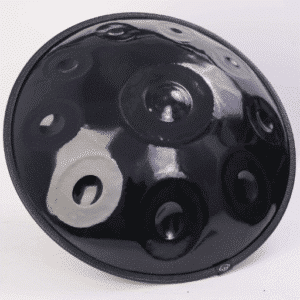
Choose the Right First Handpan Scale for Beginners
Choosing your first handpan can feel as though entering a world of infinite possibilities. This instrument is almost infinitely capable in its soothing tones, enticing musicians and enthusiasts alike; potential scales, however, can present a growth experience for the untrained ear. This guide will demystify this process and arm you with the confidence to choose just the right handpan scale for your personal tastes, playing goals, and musical aspirations. Whether you are a complete beginner or simply testing another instrument, this blog will equip you with practical tips and insights to guide your decision. So get ready for your handpan journey to take off on the right note!
Introduction to Handpan Basics
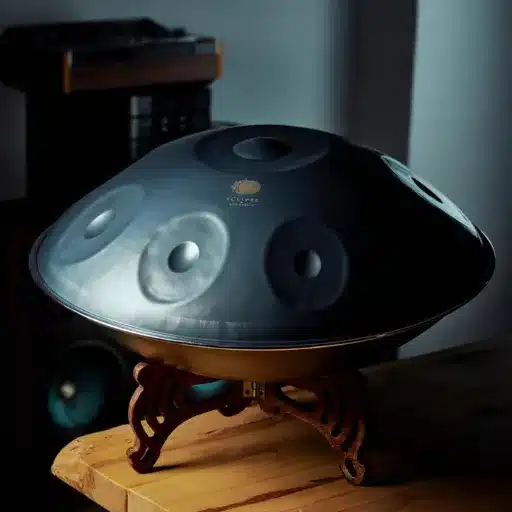
The handpan is an unparalleled, steel percussion instrument made known for its otherworldly, melodic sound. Two metal shells are welded together, with a central note (known as the ding) atop and several tone fields scattered around it. The handpan is quite intuitive: you simply use your hands to strike or tap the surface, which produces resonant tones and harmonics. The instrument is built to be easy for beginners but deep enough for advanced players.
What is a Handpan?
There is a new age, steel percussion instrument introduced at the start of the millennium. Originating in Switzerland, it was developed by Felix Rohner and Sabina Schärer of PANArt. Its unique design consists of two convex steel shells glued together, with a central dome endearingly called the “ding” on the top surrounded by a number of note fields that are meticulously tuned to particular musical scales, offering a fusion of rhythmic and melodic tones.
The handpan is most often described as having a relaxing sound with rich overtones and harmonics. It is mostly tuned to scales like D minor, Integral, or Celtic, to name a few. These scales allow the scoring of meditative, flowing melodies on the instrument, which serves to further its use in therapy, meditation, and music. Handpans are available in various sizes and tunings, but most commonly come between 20 and 24 inches in diameter and weigh between 6 and 12 pounds.
Being quite a young instrument, the handpan rapidly gained international recognition and entered into various musical genres, from ambient to world music. The creation of an instrument is quite a labor-intensive process and demands high-grade tuning and hammering techniques by expert artisans, so an instrument becomes costly and exclusive for connoisseurs. The handpan might be found quite accessible by individuals keen on learning it, as it’s so logically designed that even an amateur or professional artist can delve into its captivating sound.
Why Choose a Handpan as a Beginner?
There are several reasons why the handpan can be considered an intermediate instrument-it’s got a simple design, an intuitive style of playing, or its therapeutic nature. Compared to other instruments using which one usually has to undergo some years of technical training, the huge plus of the handpan is that its notes are arranged in a circle or in symmetrical patterns, which encourages improvisation and melodic experimentation. Studies suggest that performing various musical activities, including playing instruments such as a handpan, can relieve stress and improve mental health.
Accessibility Advantage
The handpan demands no musical knowledge beforehand since all the notes on the handpan are harmonically tuned, thus lessening the chances of activating a “wrong” note.
Creative Freedom
This accessibility motivates creativity and exploration, giving players instant gratification.
Growing Community
A growing community of handpan players and online tutorials are helping to acknowledge future learners across the globe in their musical pursuits.
Commonly, beginners can commence with the more straightforward handpans that, thanks to increasing production by established manufacturers at reasonable prices, allow the instrument to be accessible as never before.
The Journey of Choosing the Right Handpan
To think of the perfect handpan, one has to consider scale, material, making process, and, of course, budget. Handpans are traditionally made using either stainless steel or nitrided steel, each imparting its own character to the tonal qualities. Stainless steel is, in general, linked more to the bright, stuck sound, and the rusted ones get to resist, whereas the nitrided steel ones would give warmer tones and would retain traditional touch.
Some people may wish to consider their own style and musical preference while selecting the scale. A duo of popular scales comprises D minor and C major, with the Kurdish scale being somewhat less common. These three major categories each produce slightly different feels and styles of playing. Beginner players tend to find the pentatonic scales because they allow harmonic freedom-causing no clashing notes. And presently, it seems to have become quite common for the best handpan makers to customize according to the preferences of a player.
Budget Consideration
Another thing to consider is the ever-widening spectrum of pricing in today’s handpan industry. High-end handpans handcrafted by master builders can generally sell upward of $1,500 to easily $3,000 or more. More beginner-friendly brands tend to retail for less than $1,000. Research will give considerable insight into weighing cost with quality by inquiring into trusted brands and reading reviews from seasoned players. An artist can then settle on a handpan that matches well with his or her musical desires and personality through careful consideration of these elements.
Understanding Handpan Scales
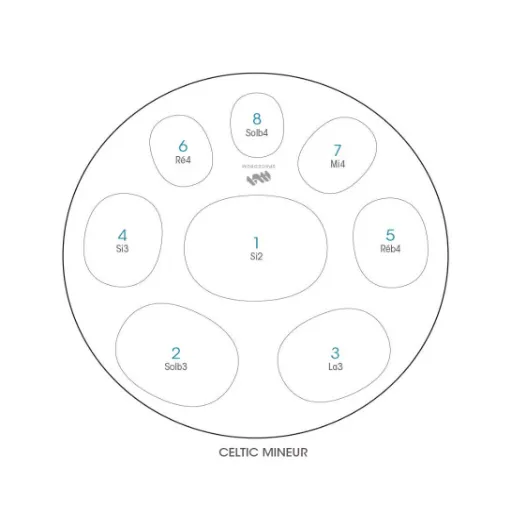
The handpan scale is the arrangement of notes on the instrument, which determines its melodic potential. Every handpan is tuned to one scale or another-a major or minor scale, or some exotic scale; this tuning, of course, cannot be altered. The choice of scale when buying a handpan should depend largely on the style of music one wishes to play. Often considered good beginner scales are D minor and C major, because of their ability to lend themselves to several musical styles and because they sound very pleasant.
What is a Handpan Scale?
The handpan scale is an expression of the particular note set lying on the playing surface of the instrument. Each handpan is built around the concept of a particular musical scale, maybe major, minor, or pentatonic. Such scales would influence the mood and tonality of the music in question. For example, a major scale would make you think of bright, happy moments, while a minor scale would usually run in the opposite direction and create more melancholic and thoughtful moods. Exotic scales provide that little cultural or atmospheric touch to the sound-the likes of Celtic, Hijaz, or Integral.
Scale Structure: Handpans usually contain 7-9 notes surrounding a central “ding” note. The tuning of the central note, alongside the supporting scale notes, constitutes the harmonic structure of the instrument. For example, a handpan could be traditionally tuned to D minor, comprising the scale notes D, A, C, F, G, A, and D, thereby ensuring a unified and harmonious tonality experience. It is thought that over time, both D minor and C major remained two of the scales most desired on account of their global appeal.
When bringing a handpan into one’s life, an array of considerations comes into play: the scale that is being imparted to the instrument, the number of notes, and the actual playing context itself. Usually, scales like Kurd, Annaziska, or Pygmy tend to be cited as very versatile, usable on countless genres in the mix-from meditative and ambient kinds to rhythmic and experimental styles. Abiding by the clues insinuated about the handpan scale will enable all players to unleash the full scope of a handpan!
Popular Handpan Scales for Beginners
Being simple and versatile is best for the beginner’s handpan scale. These are some of the beginner favorite scales:
Kurd Scale
Notes: D, E, F, G, A, C, D
The Kurd scale is one of the most popular choices, providing the harmonic minor feel that can give an expressive quality with a versatile setting for meditative, melodic, or rhythmic performances.
Amara Scale
Notes: D, A, C, E, F, G, A
These scales are known to offer peaceful, healing-toned music. Often based on a variation of the minor pentatonic scale, beginners prefer the Amara scale because it is forgiving and pairs well with even simplistic improvisations.
Pygmy Scale
Notes: D, F, G, A, C, D, F
Another good option for beginners to learn. Often associated with earthy, grounding qualities, it evokes an introspective mood that is most fitting for soulful and ambient sounds.
Integral Scale
Notes: D, A, Bb, C, D, E, F, A
Designed with simplicity as a main concern while including a huge gamut of emotional tonality, beginners can approach expressive melodies with enormous ease.
Beginner’s Advantage: For a beginner, these scales provide the foundations for one to build confidence and develop skill on the handpan. The notes are optimized so that they stand in natural harmony, thus making beauty in music a relatively easy task that does not require any great amount of musical-theory knowledge.
How Many Notes Should Your First Handpan Have?
Recommended Note Count for Beginners
For your first purchase, it is better to buy a handpan with eight or nine notes. This scale suits beginners because it provides just enough notes to stretch creativity while being simple enough to learn and teach. Fewer notes are easier to master in the basics and for making harmonious music.
Choosing the Right Handpan for You
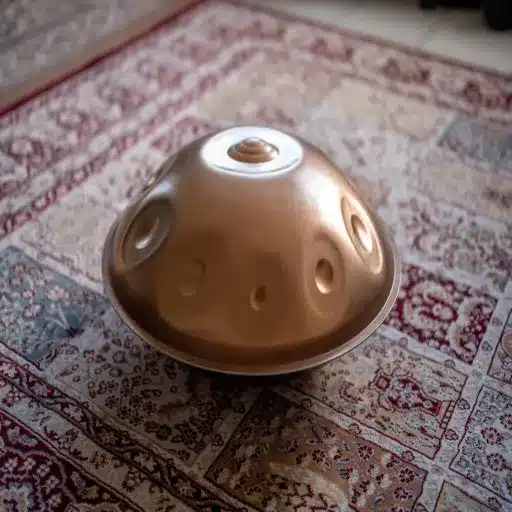
Scale and Sound
Pick a handpan with a scale that speaks to you. The scales usually can be major, minor, or quasi-exotic, so choose one that appeals to your musical conscience.
Quality and Craftsmanship
Make sure of superior handpan construction, checking the reviews, and perhaps looking into reputed makers. Problems with run-of-the-mill construction are reflected in durability and sound consistency.
Budget
Handpans come in varied price ranges. Set your budget before researching; this will help present you with options that are worth your money.
Size and Portability
Look for the handpan that would essentially fit your hands and can be carried easily if need be, on the go.
Choosing wisely truly makes a difference in your experience and in the bonding between you and the instrument.
Factors to Consider When Choosing
Material and Coating
Common materials used to manufacture handpans include nitrided steel and stainless steel, and both of these have particular qualities with which to work. Nitrided steel will resist rusting, and the tone will gently resonate. Instead, stainless steel is a harder metal; its higher tensile strength gives it a brighter and more sustained sound. Depending on your desire for sound and requirements for maintenance, either of the metals could be chosen.
Number of Notes
Handpans come in different scales, numbering between 7 and 15-plus notes. A simple-scale handpan with fewer notes may favor a beginner because learning and playing is rather doable. Advanced players would generally want to trade off for a wider range of intricate melodic passages and compositions.
Tuning Stability
Before a handpan can make that characteristic harmonious sound, one needs to bear in mind that proper tuning is essential. Be sure that the instrument in question was tuned by a reputable maker, and if at all possible, may be retuned again by the same brand, for even the smallest vibration around the tuning might change the quality of sound.
Maker’s Reputation
The reliability and reputation of the available companies must be verified before buying. Established or popular handpan makers provide considerable detail in their craftsmanship; the best materials are used so that sufficient support is guaranteed after purchase. Similarly, they promote online reviews or feedback, which helps you judge the satisfaction of other customers and the trustworthiness of the sellers.
Decision Making: With these factors in mind, you can make a well-informed choice that assures the instrument will be of the best quality and will provide you with a satisfactory playing experience.
Quality of a Handpan: What to Look For

When one is trying to appraise the quality of a handpan, numerous important factors need to be examined. The materials used are significant in this regard: quality handpans are mainly made of nitrided steel or stainless steel. Nitrided steel is good for both resisting rust and giving a nice, warm, resonant tone; stainless steel, on the other hand, withstands dampness and offers sometimes brighter sustain with more duration.
- Tuning Excellence: Obviously, tuning is also relevant to mention. It is very important that a handpan be properly tuned so that the harmonics between the fundamental tone, octave, and fifth are in perfect balance, giving it a clean and clear sound. Many highly experienced makers apply very advanced methods and tools to achieve perfect tuning, thus ensuring every note is consistently well done.
- Scale Layout & Playability: Using the layout of the scale and playability are equally important parameters to consider in the building of the handpan. Almost all handpans have a center ding note surrounded by a few notes selected for one scale. Commonly, they come in D minor or Celtic scales, being chosen for their versatility and melodic flow, both by beginners and advanced.
- Finishing & Durability: The finishing and durability are other main considerations. A good handpan has a smooth and uniform surface finish and feels heavy, with very crisp dimples that contribute to its beauty and acoustic properties. With proper care, avoiding extreme temperatures and cleaning on a regular basis, a handpan will last longer, and its deep tone will mature as it ages.
Best Handpan Models for Beginners
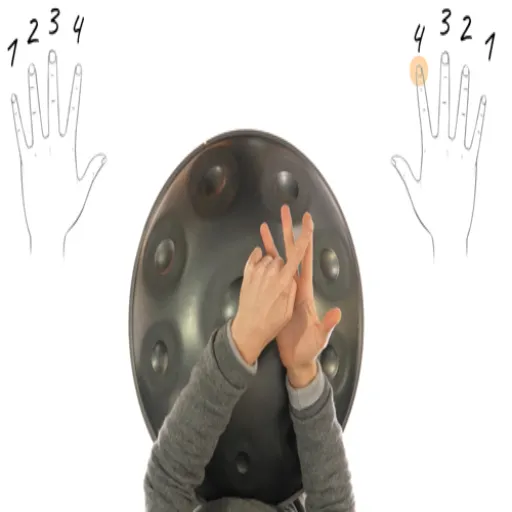
Choosing a beginner handpan should be an exercise in considering affordability, ease of playing, and the quality of craftsmanship into consideration. Here are some of the better handpan models more highly recommended to beginners starting their musical journey:
Meinl Percussion Sonic Energy Handpan
Price: $1,500 – $2,000 | Material: Stainless Steel | Scale: D Minor
The model carries an image of warm and balanced tones. Made with durable stainless steel, corrosion resistance, and the ability to withstand the effects of climate make this instrument a sturdy option for new players.
Lark Music Handpan
Price: Under $1,000 | Best For: Budget-conscious beginners
Lark Music promotes affordable handpans that are often under $1,000, making it accessible to anyone with a tight budget. Although these handpans are cheaper, they still produce an excellent tonal range and are thus suitable for beginners as an entry-level instrument.
RAV Vast Steel Tongue Drum
Price: Starting at $600 | Type: Tongue Drum Alternative
The RAV VAST can be presented as a tongue drum; however, it is an alluring option for beginners. It is a powerful resonator with many scales, making it an excellent tool for learning-to-play individuals transitioning to traditional handpans.
Spacedrum Nitro Handpan
Price: $1,800 – $2,500 | Origin: Made in France | Material: Nitride Steel
Having been tuned to well-liked scales such as D Kurd and Amara, this pleasing tonal ambitus is ideal for beginning-intermediate players. The price allows a nice combination of quality and craftsmanship.
PanArt Hang Drum (Used)
Price: $1,000 – $3,000 (Used) | Status: Original Handpan
New PanArt Hang Drums sell at a rather high price, and one rarely gets to see one on the market; however, second-hand instruments sometimes come at these prices. Being called the “original handpan,” these are instruments that really deliver authentic, premium sound. Second-hand options are a consideration for any beginner looking to get the real handpan experience.
Playing the Handpan

Tactile and intuitive, the handpan is an expressive instrument. Placing it gently on your lap or a flat surface, the handpan must be steadily supported. Touch the notes with fingertips or the soft part of your hands, softly, letting beautiful and clear resonant sounds ring. The relaxed motion that strikes the notes shall contain the tone; otherwise, control will be lost. Beginners can start off with simple rhythms and then move on to the various patterns and scales involved. A regular routine will greatly develop direction.
How to Play the Handpan
In the curve of becoming adept at the basics, you then move toward emphasis on special techniques that add more complexity and expression to the playing. Rolling is the more popular method in which rapid, alternating strikes with the fingers sustain a flowing sound. The other is ghost notes, very slight touches that act as accents, helping to add variation and depth to the rhythms.
Advanced Techniques
For yet more diversity, players strike the outside of tone fields to try harmonics, generating higher-pitched overtones that give fuller harmony to your composition.
Dynamic Control
Current thinking holds that many experienced players recommend practicing dynamic control, where the player varies the pressure and speed of their strike to produce different tonal qualities.
Timing Practice
Working regularly to a metronome or alongside rhythmic accompaniments will also help build your sense of timing and free improvisation.
The groove is driven so much more when the backing track is played along with the handpan. Creating melodies requires knowing about your handpan’s scales. Different scales give out different flavors, the D Minor or Celtic being in the category of Oceanic-GrainScales, giving out gentle or melancholic vibes. The bright ones are Aegean, erupting with a little gleam. The mentorships emphasize the need to make use of backing tracks or play along with another instrument to train ears in the development of interplay and dynamics.
Exploring Handpan Notes and Their Effects
Every handpan note carries with it a specific set of feelings and atmosphere. For example, deeper notes such as D3 and E3 would produce grounding vibrations connected to states of relaxation, deep thought, or even meditation. On the contrary, higher notes such as A4 or C5 produce clear, bright tones that provoke feelings of happiness, excitement, or energy.
Sound Psychology Research: Studies in sound psychology have uncovered the fact that certain intervals and note combinations can affect the mood of a person listening to them. The D Minor scale and the Hijaz scale are particularly popular for creating soulful and emotionally charged melodies, which are used either in therapeutic or healing atmospheres. Conversely, the Harmonic Minor scale or E Major scale will create a more upbeat and lively kind of music.
Moreover, the resonance qualities of the instrument are always mentioned by handpan lovers, which is the vibrational overtone created by hitting both the central tone field and any note from the adjoining notes, which gives the sound a rich harmony. This interplay between tones increases not only its distinct auditory experience but also the environment in which the instrument is played, such as in a yoga class, sound bath, or live concert. The wide application of the handpan allows musicians to play around with various scales and their emotional significances to fit the music into specific contexts or projects.
Creating Music with Your First Handpan
Making music with your pungent handpan sounds like an exciting adventure to embark on. A beginner must know how to read the handpan tuning to be able to play. Most of the time, the handpan has one central note, the so-called “ding.” It has other tones arranged in a circle around it. These tones are arranged to form a particular scale, e.g., D minor, C major, providing a base for your musical composition.
With one’s hands and fingers, such simple techniques are preferred for beginners. The handpan is made in a way to produce melodies with less effort, even for those without musical knowledge. According to research, handpans send out frequencies whose vibrations are pleasant and calming to the nervous system-needing just healing and relaxation.
Practice Recommendations
Practice in this manner by playing slow rhythmic patterns and then gradually adding freedom. Studies into musical improvisation attest to its value in increasing creativity and feeling expression, hence making the handpan a great tool for both professionals and beginners.
Daily Practice: Practice at least 15–30 minutes daily if you want steady improvement in familiarizing yourself with the instrument and with coordination.
If you want to extend your repertoire, then handpan communities and workshops are amazing resources. Statistics indicate that the demand for handpan workshops has gone up by over 20% in the last years as the instrument enjoys more popularity. Social media or dedicated forums are good places to share tips and techniques, collaborate, or even learn from world-class players. Such avenues will help you sharpen your own skills and inspire you to create some of your own music.
Practical Tips for Buying Your First Handpan
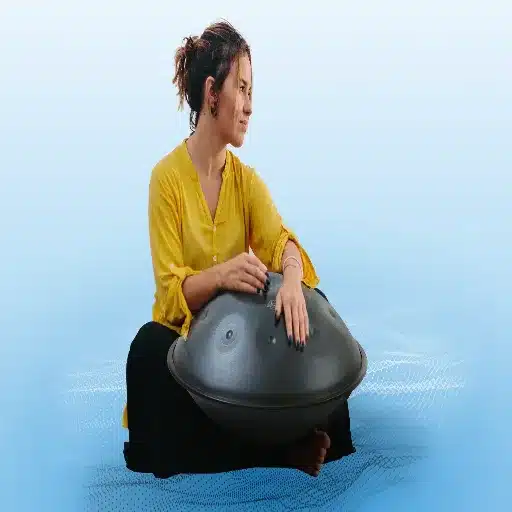
- Budget: Handpans are a significant purchase, generally valued between $1,000 and $3,000. An early decision on the price can help narrow down the choices.
- Research Trusted Makers: Find handpan makers with good reviews. Because of their nature, they usually have waiting lists that you should account for.
- Pick The Appropriate Scale: Scales convey the expression and feeling of the music. For beginners, more straightforward, adaptable scales such as D minor or C major would be fitting.
- Try If You Can: Play the handpan physically if you can or request a video demonstration to see that it sounds well with good resonance.
- Do Not Buy Cheap Imitations: Watch out for cheaper prices that may compromise the durability, tuning quality, and tone.
Reviews or handpan groups will serve as an invaluable resource in guiding you with your purchase.
Testing Different Handpan Models
When testing the various handpan models, both the sound quality and the physical craftsmanship of the instrument need consideration. It should be able to generate tones that are consistently voluminous and harmonious, with balance among all the notes. Gently tap the instrument to see smooth transitions between the notes, with nothing anywhere that sounds like metallic buzzing or rather dead.
Further, the material composition does influence matters of performance. Stainless steel handpans are reputed to be more hard-wearing and less susceptible to corrosion, while the nitrided steel ones are often described as delivering warmer tones. Many seasoned players suggest that to determine tonal range and resonance, the models should be tested at varying dynamics-from soft taps to strong strikes.
In terms of size and scale, a handpan usually has about eight to fifteen notes. Smaller models are more portable, whereas the bigger ones produce deeper and more resonant sounds. According to prior market examples, the premium models may have been priced somewhere between $1,500 and $3,000, with price being based on labor, material, or the reputation of the brand. Therefore, one should make the options well, suitable for one’s level of experience and taste!
Where to Buy a Handpan
Several options are available for buying a handpan according to budget, preference, and quality. Reputable handpan makers and specialized retailers such as PANArt, Ayasa Handpans, and Saraz Handpans have earned a reputation for craftsmanship and dependability. Online marketplaces such as Handpan Guru, Handpan 360, or the direct sites of the manufacturers offer a wide variety of instruments for sale. Alternatively, new and used handpans could be found on Etsy or eBay; however, sellers’ reviews and the authenticity of the instrument should always be researched.
Direct from Makers
PANArt, Ayasa Handpans, and Saraz Handpans offer authentic craftsmanship and reliability
Specialized Retailers
Handpan Guru, Handpan 360 provides a wide variety and expert guidance
Online Marketplaces
Etsy, eBay for new and used options (research seller reviews carefully)
Local Shops & Workshops
Physical testing opportunities with demonstrations and consultations
Handpans for sale may also be available from local music shops or handpan workshops, in case one wants to go through all the trouble of testing the instrument physically beforehand. Demonstrations and personal consultations are offered in some shops so that the player can find the sound and fit that resonates with him. A high-quality handpan with 8 to 15 notes might cost anything from $1,500 to $3,000, with beginner- or mass-produced ones sometimes going for below $1,000. At the very end of the day, it’s a matter of making decisions depending on what your budget is, your tonal preference, and the value of craftsmanship.
Consulting Experts to Choose the Right Handpan
Choosing a handpan is the `perfect situation’ to seek expert consultation and make an able choice concerning the purchase. An experienced player or professional maker can offer insights about the peculiarity of the various scales, construction techniques, or materials employed in handpan crafting. For example, nitrided steel is commonly used for its durability and higher corrosion resistance. Stainless steel, on the other hand, is associated with a brighter tone and longer sustain.
Experts can help you in assessing craftsmanship, with an emphasis on topics such as tuning stability and harmonic resonance. A well-built handpan should produce clear sounds that are well-balanced throughout the scales, without any apparent dead spots or anomalies.
Expert Insight: Furthermore, experts emphasize that one must test instruments before purchase, as feel is equally essential to the sound. Those retailers with expert staff, workshops, or trial policies make this easier to complete, so you can find an instrument that truly resonates with your personal style. By drawing on their insights, you are better able to choose a skilled handpan for your own needs and preferences.
Resources for Further Learning
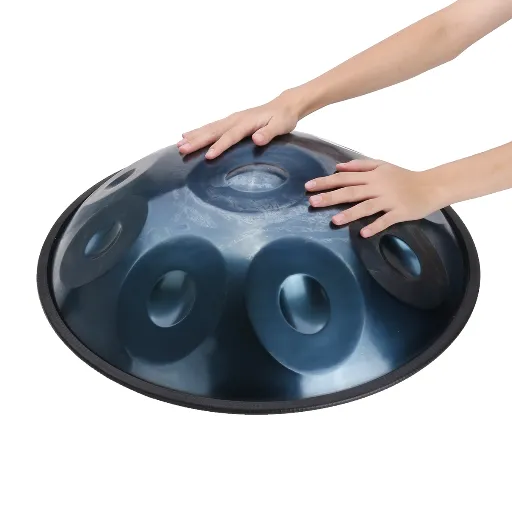
Handpan Community Sites
These are websites where members of the handpan community gather together for discussion. Examples include Handpan.org or various Facebook groups. They are used for exchanging advice, sharing experiences, and socializing with players of all levels.
Instructional Videos and Tutorials
There are many YouTube tutorials for both beginners and advanced players, while some, like David Charrier’s “MasterTheHandpan,” offer systematic lessons.
Workshops and Classes
There is always the choice of finding a workshop, either locally or online, where you can be taught directly by experienced players and offered feedback.
Books and Guides
There are thorough guides available that cover the handpan and its techniques, maintenance, and history, such as The Handpan Handbook.
Manufacturers’ Resources
Many well-established manufacturers include educational material, FAQs, and maintenance instructions on their sites. This is the most trustworthy information and quite specific as far as the instruments are concerned.
These resources serve well to develop and increase one’s understanding of handpan and handpan skills.
Online Communities and Forums
Online communities and forums are great resources for all handpan lovers, where one can exchange ideas with others and learn from more experienced players. Handpan Community and several Facebook or Reddit groups related to the handpan world are a few sites where one could ask questions, go over techniques, and investigate new trends in the handpan world. To give an idea, thousands of users participate online every month in discussions in well-known forums, exchanging tips on style, instrument maintenance, and recommendations to buy. Many of these communities organize online workshops or share recordings of these events, allowing one to follow expert opinions while remaining connected with the growing handpan culture worldwide.
Recommended Guides and Tutorials
The numerous tutorials available for beginners teach the fundamental playing techniques such as hitting patterns, hand placement, and rhythm. Video tutorials by professional players refine these fundamental concepts into bite-sized lessons that can be undertaken at the student’s speed.
Intermediate players might want to work with resources focused on advanced techniques-dynamic sounds, harmonics, and complex rhythms. Other online platforms provide learning materials relating to improvisation and creating your compositions, which are the channels along which you want to evolve your handpan skills.
Such textbooks on instrument maintenance and care can be very worthwhile for those thirsting for a vast array of methods. Topics included may be cleaning, storing properly, and handling ways to maintain sound quality and keep the instrument from harm. Looking with present-day suggestions, one would also want to look for articles or some kind of visual tutorial on how to pick the exact handpan, comparing the different scales, sizes, and materials of build suited for various playing styles.
Several websites now offer these educational resources together with interactive workshops with instructors and fellow players participating in real-time. This mix of in-depth content and communal engagement makes learning accessible and rewarding at any level of experience!
Workshops and Hands-On Learning Opportunities
One every-now-and-then occasion is any kind of workshop or hands-on training is that one pursue to be able to dance with the handpan. Workshops have been organized in both real life and online to accommodate as many skill levels as possible: some are for beginners, while others cater to advanced players. For instance, some of the famous workshops would include a professional handpan player demonstrating how to strike the tone field, how to dampen, and how to build rhythms.
Workshop Statistics: The statistics that we have tell us about worldwide expansion in interest for music workshops, with over 60% of attendees claiming that they really developed their skills during the course of just a few sessions. These online workshops are very interactive: shortly after the lesson, students engage in Q&A sessions, provide feedback, interact with each other, and get options to replay the lessons. Some sites go the extra mile by allowing students to schedule the lessons themselves through recorded lessons.
Workshops promote the enhancement of technical skills and foster community among players. Most events offer occasions to practice the pieces as a group, work together, or have improv jams so that participants may interact and learn from each other. These moments of networking and shared interest create an exciting and inspiring atmosphere for students of all levels.
Reference Sources
-
Oregon State University Blog
Handpan 10 Notes: Expanding Your Musical Possibilities
A detailed guide on the ten-note handpan scale, emotional resonance of notes, and playing techniques.
-
University of Southern California Scalar
Handpan Drum Instrument Explained for New Players
Explains the typical note arrangements on handpans and the craftsmanship involved in creating specific scales.
-
Oregon State University Blog
Handpan Pan Drum: Tips for Beginners and Experts
Covers the layout of handpan notes and provides tips for understanding their arrangement and use.
Frequently Asked Questions (FAQs)
Begin Your Handpan Journey Today
Armed with the knowledge from this comprehensive buying guide, you’re now ready to make an informed decision about your first handpan. Remember that the perfect handpan is one that speaks to your soul and inspires your creativity. Take your time, test different models when possible, and choose the scale and quality that align with your musical aspirations. Your handpan journey awaits, filled with endless possibilities for musical exploration and personal expression.