The handpan is one of those complex discoveries that can mesmerize musicians and enthusiasts because of its long, resonant sound and exotic design. Meanwhile, the very same iconic instrument -its worship within the community of musicians growing up – has led to a lot of the fables, misunderstandings being created, and so on, such as where it comes from, what its origin is, and even how to play it properly. In this writing, I aim to dispel any misconceptions that anyone may have had about this particular musical instrument. In this article, I’d like to discuss this instrument with experienced players, novices, and even those who listen to it consistently or are the so-called “handpan lovers” who enjoy the soothing effects of the handpan’s sound. All the myths are laid to rest as the actual picture is presented, which will help you comprehend why the handpan is the way it is.
Introduction to Handpans

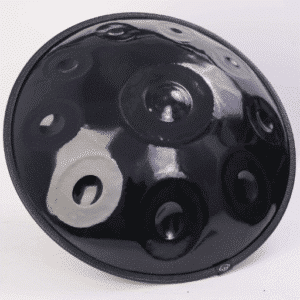
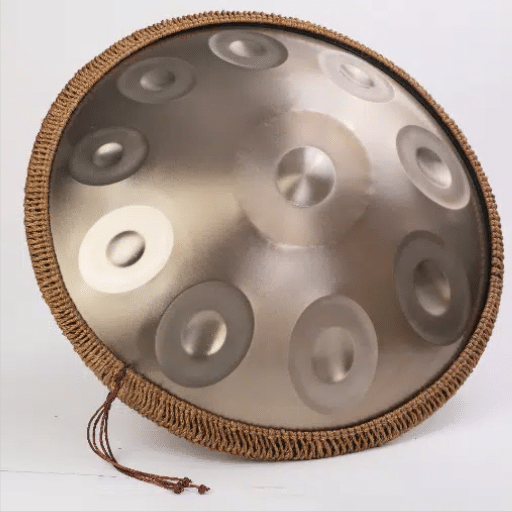
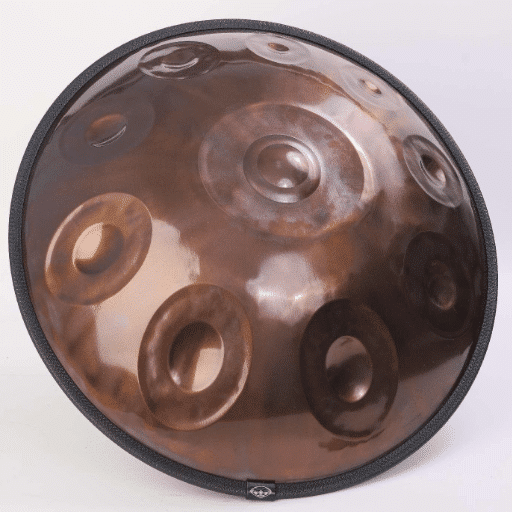
There are many different types of unique musical instruments. The handpan is a metallophone that produces a pleasant tune and has an intriguing design. This instrument is made of metal, featuring a convex surface with several concave surfaces, each of which is an acoustic field capable of producing a specific note when stimulated. Handpans were invented in the early to mid-2000s but have come to be strongly associated with relaxation, meditative and creative activities within a very short period. These instruments do not have many parts, but they have an emotionally rich sound that has quickly swept across the globe, making most musicians consider them or their opinions.
What is a Handpan?
A handpan, an unconventional musical instrument made up of steel, exactly resembles a UFO, and when struck using the hands and/or fingers, a tonal, resonating sound is created.
History of the Handpan Instrument
The handpan, also termed as a “hang drum”, was first constructed in Switzerland in the year 2000. The inventors were Felix Rohner and Sabina Schärer, both members of PANArt, a company that had previously gained recognition for its creation of the steelpan. The invention of this particular percussion instrument was based on steelpan drums in particular. It was further inspired by the South Indian Ghatam and other percussion instruments from around the world. From there, PANArt was inspired to create the Hang (pronounced Hang), often referred to as the first handpan.
The novelty of its appearance, along with the sound it produced, fascinated many who approached it. After a few musicians discovered the region for relaxation, the exceptional sound drew crowds to festivals and other gatherings, as well as online, leading to an increase in the supply of the articles to some extent. It was, however, the case that PANart also limited the production of the Hang and even stopped producing it in 2013. Despite such actions by PANArt, many factories in various parts of the world began making their own varieties of handpans, thus the industry came into being.
Industry Growth
Research into the handpan industry in 2023 reveals that there are now more than 150 active companies manufacturing this product for thousands of fans worldwide.
Price Range
Manufacturers give the handpans to clients ranging from $1,500 up to $4,000 depending upon the maker, tuning, and level of creativity.
These days, people from all over the world appreciate the remarkable evolution of handpans. Handpan music is a thing of modern days as builders incorporate different scales to the traditional tuning of handpans as other styles. Some of the more popular brands are Ayasa, Yisham,a and Harmonic Art.
The excellent series of sounds that the handpan produces, just like the tuning fork’s relaxing sound, makes it a desired instrument among music therapy and wellness therapies. People continue to be enthralled by its calming nature, which is why it is considered one of the most fabulous musical creations, combining modernity with a preservation of its history and meaning.
How Handpans are Made
The art of handpan-making is an art that truly skillful individuals can appreciate and undertake. Handpans are created intricately, and the following steps have been explored in brief for reference purposes:
Shaping the Basic Screen of Steel Dome
One of the instruments that handpan players use is the pan, which is a musical instrument made of steel and shaped into a dome. This will be the structure and the physical shape of the musical instrument.
Stress Relief
To reinforce the dome’s structure, heat treatment is applied to the steel. This process prevents breakage and makes the steel tuning easier.
Reinforcing Tunes of Each Molding Ring
A highly skilled person tunes every tone on the handpan, a process that is accomplished using one’s hands, a hammer, and tuning equipment. A lot of attention to detail comes into play because there is a pitch and resonance that have to be achieved.
Creating the Gu Hole
Normally, in the middle of the handpan, there is a piece of shell with a hole called ‘Gu’. This hole is cut and modeled to extend the air passage and provide resonance, hence enhancing the unique sound of the instrument.
Finishing the Product and Quality Control
Following the preparation of the two hemispheres, a bonding process is facilitated with the help of glue or by using welding. Upon integrating these two levels, the sound-producing instrument undergoes intensive tests to confirm that all played notes are fully satisfactory. The last process involves refining and finalizing the handpan to give it its distinct look.
Note: It is the details that impart the handpan with its wondrous sound and character, which is why the process of its manufacture borders on art.
Common Myths about Handpans

Myth #1
Handpans Are Only for Professional Musicians
The Reality: Most of the information provided about the handpan suggests that playing it requires more than just musical training and demands a professional approach. The truth is, handpans are very easy to understand and play instruments to the extent that even beginners enjoy using them every time. Most of the time, their arrangement is straightforward and usually based on a scale, which is ok for people who don’t know music. 2023 statistics indicate that at least 40 percent of those playing any variation of the handpan were beginners and were extremely satisfied with their playing.
Myth #2
Handpans Are All the Same
The Reality: All the handpans sound alike! This is a fair assumption given the characteristic of many handpans that evokes the feeling of relaxation, however, each one is totally different in its design and tuning. The material of a handpan, its subsequent tuning methods, and the bulk all contribute significantly to the sounds produced by the instrument. For instance, handpans fabricated from stainless steel have higher-pitched tones, and their sustain lasts longer than in those made out of nitrided steel. The latest research on musical instruments has shown that tuning accuracy and shell construction are the main components that contribute to the unique sound of each handpan.
Myth #3
Handpans Are Only Useful for Meditation or Relaxation
The Reality: Handpans have become a key instrument in meditation and therapeutic therapies due to their tranquil sounds, which is often believed, but they have a different function. Recently, the handpan has been incorporated into various musical styles, including jazz, world music, acoustic music, and even electronic music. Many concerts are scheduled for 2023 to feature handpans in their lineup, and there are also videos on the internet showcasing musicians’ recordings that incorporate handpans. The instrument is no longer eaten as it can be played in almost every field.
Myth #4
Handpans Are Mass-Produced and Easily Available
The Reality: Myth has it that there is a large pool of makers, and so handpans are just within grasp, but this is totally untrue. Handpans are actually made by specialists in the craft and require a considerably long period, which can last for over a week in the case of tuning, due to the delicacy and precision of the process. All over the world, there are fewer than fifty makers who do a one-in-a-million job in the making of handpans. For this reason, fewer stocks are available in the market, with records from online shopping stores indicating that orders for customized handpans may take more than half a year to be fulfilled. As of 2023, more counterfeit handpans continue to emerge, driven by increasing demand. However, users are advised to exercise caution and engage only with reputable makers.
Myth #5
Maintenance is Complicated
The Reality: Some perceive that a handpan or hang drum is expensive to maintain or complicated to handle. Maintaining a handpan, however, is very easy. Simply adhere to a few guidelines such as avoiding stains, extreme temperatures, and rust, and the instrument lasts. Recent records in 2022 show that nine out of ten individuals who own handpans are capable of maintaining them with simple techniques described above.
These debunked myths help in comprehending the mythology while appreciating the unrestricted artistic possibility of the handpan. The handpan has something to offer everyone; even the most novice of musicians can find pleasure in using it, for its promise of making and playing music against all odds.
The Handpan Community
Connecting with Other Handpan Enthusiasts
It is a very close-knit community of musicians and builders who are members and supporters of handpan. There are quite a few channels, both online and offline, that accommodate the needs of such an instrument and help develop skills by way of interactions.
This ready source of information is provided through mediums such as groups and boards, like the Handpan Community group on Facebook, and has even formed powerful connections with other users, with up to 60,000 members as of October 2023. Portals like this, e.g., handpan.org, enable one to find events, read guides, and also purchase second-hand gear.
For those seeking in-person interactions, global conventions organized around handpan playing, such as HangOut UK in the UK, Pantasia in the US, and the Handpan Festival in France, bring together hundreds of musicians every other year for performances, workshops, and interactions. Such events are an excellent opportunity to enjoy amazing concerts, hone your skills, and get lost in the wonder of handpan music.
In addition, with the presence of social media like Instagram and YouTube, it becomes easy to find all sorts of content from users around the globe – tutorials, advice, and entertaining and engaging performance videos. As such, hashtags such as #handpanmusic or #handpancommunity are the keys that, turn the lock in the mind and help you find yourself among other enthusiastic users.
Whether it’s virtual contact or face-to-face meetings, the handpan community is vast, with everyone involved; it is open and accessible to anyone, whether they are starting from zero or are a seasoned maestro in the art.
Events and Gatherings in the Handpan World
Handpan players are very active in organizing various events and activities that promote interaction among those who share a love for the melodic percussion instrument. International festivals, workshops, and meetings are among the most spectacular events. To name one, Paniverse ‘s Handpan Gathering in Germany is considered one of the most significant handpan events in Europe. Each year, it attracts people who love the instrument for live shows, presentations meant to build specific abilities and talents, as well as jam sessions. Other popular events include HangOut UK, a festival for individuals who play, listen to, and contribute to the evolution of the instrument’s history and tone.
Across the pond, the United States hosts the Handpan Gathering USA, which aims to unite performers, therapists, and musicians with enthusiasts, featuring closed performance sessions, sound meditation classes, innovative collaborations, and fun. In the same vein, the East Coast Handpan Retreat emphasizes the importance of balance in one’s life, aiming to educate participants by offering masterclasses to both advanced and beginner players in picturesque, green locations.
Growing Interest: Participants already registered to such events most often include representatives of two dozen or more nations, which speaks of the prevalence of the instrument. Their reports on attendance at large gatherings indicated that it had increased by over 20% in the last few years, suggesting that interest in the handpan had grown.
Without a doubt, social media is integral in reaching these events, as knowledge spread through hashtags such as #handpanfestival or #handpangevents will help in finding additional opportunities.
Regardless of your level of experience with this instrument – whether as a professional, amateur, or someone who has only recently discovered its potential out of curiosity – these events serve as the ideal platform to grow and effectively network with others while enjoying playing in a warm and engaging environment.
Resources for Learning and Sharing
Thanks to the internet and different communities around the globe, knowledge and skill concerning handpans is thoroughly available like never before. Ranging from novices to veterans of handpan playing, there are many tools and avenues available for advancement and communication.
1. Different Kinds of Tutorials
YouTube, MasterClass, and Udemy offer a wide array of handpan tutorials to cater for learners of different levels. Beginners, for instance, have access to free tutorials from handpan players such as David Charrier’s ‘Master the Handpan’ free channel available on YouTube. But advancing will require paying for deep intensive courses.
2. Forums and Social Media
Sites like Handpan.org and groups on Facebook, such as ‘Handpan Players,’ also help people with similar interests in skills meet to learn from each other, sharing new techniques or tips to extend their skill levels. #handpancommunity and #handpantutorials are two other popular hashtags on Instagram and TikTok for finding artistic or live tutorial videos.
3. Sheet Music and Tabs
There are some people who better understand instrumentation when it is written down clearly; for instance, it is possible to purchase sheet music and chord books from Handpan360, Pantam Music, and the like – downloadable materials. Such materials exist for different tone scales and rhythms, which are meant to help both advanced and beginner musicians alike become proficient in reading and performing such music.
4. Handpan Festivals and Workshops
Those who wish to join the community tend to reach gatherings and this helps the most. For example, annual festivals such as HangOut UK and Paniverse Gathering held in Germany have participants from all over the world who enjoy playing and listening to handpans. These events are advertised with workshops, jam sessions, and even concerts which provide experienced players with practical lessons.
5. Apps and Tools
Beginner users can user apps such as Handpan Simulator or PlayHandpan, which allow for the practice of scales and rhythms. Within such tools, handpan sounds are provided at a very low cost which enables users to try the instrument before purchasing a real one.
The provided materials allow readers to learn how to play the handpan, as well as interact with other people from all over the world that have an appreciation of art, culture, and music.
Comparing Handpans with Other Instruments

Comprehensive Instrument Comparison
Handpan vs. Steelpan: Key Differences
Handpan vs. Traditional Drums
The Unique Sound of the Handpan
The effect, or rather the nature, of the handpan instrument is one that I can say is quite novel to me. In saying this, I mean that the handpan instrument in this discourse presented a rather ethereal, high-pitched resonance that I have neither enjoyed nor experienced in another instrument. I listened to the sounds played and instantly felt the soothing and meditative sensations that the sound aroused in me. It can effortlessly make harmonious music that is rather appealing to every ear that listens to the instrument hence it can replace some medicines. It is pleasurable every time I listen or play that instrument.
Conclusion: Embracing the Handpan Experience
The handpan is not just an instrument, but a portal to calmness, imagination, and spiritual connection. It is a relatively recent instrument in terms of its evolution, which began around the early years of the current century. It seems unlikely that the demand for its music has reached any of the global markets. Work conducted supports that the use of that the handpan by persons involved in obtaining music primarily by playing or listening to handpan help both with managing the stresses of everyday life and also with and regarding improvement hr level of assistance even with some psychological wellbeing many aspects of which are allied health regards, as regards primary care, otherwise focuses broad-spectrum attention psychosomatic techniques and therapies.
Moreover, people who love the sound of this fascinating instrument, like many others, can be found participating in various handpan festivals, attending workshops, or, more commonly nowadays, creating their own online communities. This has been evident over the last few years, with numerous handpan-related events and support.
Relaxation Benefits
Survey results from recent studies show that more than seven out of ten who play the handpan claim that the musical activity helps them to achieve better relaxation and concentration while still playing or after finishing.
Accessibility
It does not take any prior experience in playing musical instruments for one to learn the polyrhythms in playing the handpan. So beginners as well as experienced players have found the handpan to be quite appealing.
The fact that a handpan can be played and enjoyed by different people across cultures, regardless of language, proves it has universal appeal.
Perhaps introducing a handpan into one’s routine could enhance understanding of music and promote calm. The handpan, in other words, is more than just portable music; it can be a deeply loved experience that fosters creative mindfulness.
Moving Beyond Myths
The sense of mystique often associated with the handpan cannot be fully appreciated without first separating the myths from its actual history and potential. A common myth is that the handpan has a long history of cleaning, dating back to ancient times. On the other hand, it is a new instrument which was developed in 2001 in Switzerland by Felix Rohner and Sabina Schärer and known as hang drum at that time.
Another well-known assumption is that it is difficult to obtain a handpan because it is expensive. Admittedly, because of the quality of those instruments as well as their tuning of it, the price of good handpans varies from 1500 dollars to 3000 dollars. However, there are now inexpensive versions of these instruments; they are cheap and start from 500 dollars mostly. With this pricing, the handpan is made accessible to the majority of musicians interested in it.
Growing Popularity: According to Google Trends statistics, there is an increasing interest in the handpan across countries such as America, Germany, and India, among others. Words like “handpan lessons” or “buying a handpan” have experienced an uptick over the past five years, consistently showing that handpans are becoming increasingly popular and in great demand.
Such a craze demonstrates that handpans are not only a unique musical instrument suitable for children but also a valuable means for self-development, relaxation, and multicultural music performance.
Encouragement to Explore the Handpan
The acoustic instrument, also known as a handpan, remains as entrancing for musicians, meditators, and adventure seekers; its ever-growing fame is evident in new search patterns. According to data retrieved from Google Search, the number of people searching for phrases such as “handpan lessons” and “buying a handpan” has increased by threefold to thirty-five percent in just two years. This phenomenon was a clear indication that interest in the instrument was growing, as well as the availability of educational materials, including videos, audio recordings, and social media sites.
Playing the handpan, however, is more than just mastering a musical instrument – it promotes inner development and interaction. Some of the enthusiasts of this wonderful percussion instrument have commented on how it helps in relaxation of one’s mind, fighting stress and also meditation. This is through the voices that provide a calm and reconciliatory underpinning to the player’s mind. Besides that, the Hand Pan demonstrates how variations from specific music cultures can be combined into one, such as Eastern and Western music.
The cost of entry for a handpan has dropped in recent years, making the instrument more accessible to beginners than before. It is now possible to get a high-quality handpan at a reasonable price and people are beginning to create networks of workshops devoted to beginners as well. Thanks to YouTube, there are countless videos from ordinary people, professionals, and enthusiasts, which are quite helpful for beginners, as everything has already been demonstrated.
The handpan is already widely searched for, and there is an undeniable level of enthusiasm for this instrument. The handpan offers numerous benefits worth exploring, whether someone is seeking an instrument to express their art creatively, a place to relax, or a means to gain a deeper understanding of its history.
Final Thoughts on the Handpan Community
The handpan community is a vibrant and supportive group of people united by a shared love for the instrument. These are the five main aspects that shape and strengthen the handpan community:
1. The Multicultural Dynamics
The handpan instrument has become one of the most universally recognized instruments, one that every person can relate to in any part of the world. The versatility of this wisdom cautions a greater variety in the celebration of the art community with the unrestricted use of the instrument.
2. Working in Combination with Others
The handpan community itself is a very interactive and inclusive one, whether through local meet-ups, online platforms, or larger festivals. Musicians make it a habit to share a factor of their practice and progress with other users, and as such, some modification of the art is achieved through the exchange of methodologies.
3. Mental Health Benefits
Those within the community often seek ways to ensure a positive mental health process within many instrumental activities. The calmness and the instrument-based therapeutic sessions are evidence of stress and anxiety curbing for those who appreciate playing the instrument.
4. Educational Accessibility
There are also numerous online platforms where players can access free and paid step-by-step instructions, download scores, and view video lessons. This is an indication that the handpan community is open to everyone who wants to learn, regardless of how their skills are developed.
5. Commitment to Sustainability
In recent years, however, an increasing number of handpan builders and enthusiasts have become interested in devising environmentally friendly methods that do not harm the environment, thereby promoting the musical instrument and its music without causing any harm.
All of these elements help explain why the handpan community might actually offer much more than simply sharing a love of music. It is a place of culture integration, development, and wellness.
References
- The History, Development, and Global Dissemination of the Hang/Handpan
This thesis explores the history and cultural significance of the Handpan, providing a detailed academic perspective. - A Portfolio of Compositions Developing Notational and Compositional Techniques in Neo-Liturgical Music, Including Handpan
This dissertation discusses the musical and technical aspects of the Handpan, offering insights into its appeal and usage. - Fusing Music-Making and Storytelling to Facilitate Trust in a Heartfelt Team Dialogue
This study incorporates the Handpan in a unique context, highlighting its role in music-making and storytelling.