Learning handpan improvisation is a beautiful experience, as it empowers you to create your own music. Improvising sets you free in imagination, giving you life to the tonality of your instrument. Here we have shared some of the core tips and techniques that will help you polish your skills, find your own sound, and color your playing with emotion. This guide will offer you actionable insight on handpan improvisation and enhance your bond with the instrument, whether you are a beginner or an advanced player looking for inspiration! Get ready to change your sessions into performances filled with expression that speak to emotions both yours and your audiences!
Understanding the Foundations of Handpan Improvisation

Improvisation on the handpan first comes with a clear-understanding of the layout and sound structure associated with the handpan. Most of the time, it is tuned into a particular scale, usually diatonic or pentatonic, which sets a natural basis for a harmonious tune to be built upon. Consider learning how the notes are positioned, and muscle memory will be built up with your fluid playing. The improvisation should always be attuned to listening to the instrument and what it is communicating as a form of vibrational feedback to match your tempo and dynamics with its natural resonance. Keep in mind that simple exercises with notes are done before variations in note patterns and emphasis are introduced. This expression stimulates creativity yet preserves meaningful musical continuity.
The Handpan’s Unique Voice
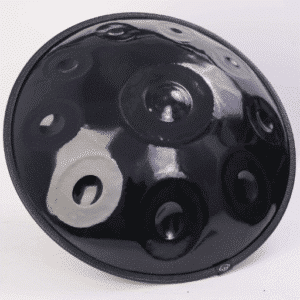
The handpan is renowned for its sacred and meditative sound, which owes its creation to the hand-hammered steel surface that is precisely tuned. The central “ding” note is surrounded by many tone fields that resonate harmoniously with each other to create one handpan. The handpan instruments of today benefit from modern production methods, which utilize fine alloys and hand-forging to ensure a perfect tone and excellent durability.
Recent acoustic research has confirmed that the sound spectrum of the handpan is rich in harmonic overtones between the ranges of 200 Hz and over 3000 Hz. This complex range of frequencies endows it with the unique ability to spiral into deep and ambient auditory sensations for listeners. From this, one can imagine that even the scale or tuning of the instrument (such as D minor or C major) creates a kind of emotional texture.
Based on feedback from master makers and players, one can reasonably estimate that handpans have a sustain and resonance of up to 5 seconds or even longer, depending on the choice of materials, playing methods, and air conditions. This extended duration of resonance is something that characterizes it and makes the handpan a very good choice in therapeutic or meditative means.
With its growing appeal in the world of mindfulness and alternative therapies, it has become a common instrument to enhance one’s relaxation along with the ability to help one focus. Modern building methods continue to pull the instrument into present times as this old instrument is about to re-enter a modern context.
Basic Rhythmic Exploration
Learning simple rhythms on the handpan consists of understanding its organization and using appropriate hand techniques. The instrument is usually centered around the ding, in the middle, surrounded by tone fields that are tuned to a particular pitch. A beginner should attempt to play the more basic rhythmic patterns, which include alternating strikes between the ding and the surrounding tone fields. For example, one widely used basic rhythm in the four-to-the-floor 4/4 measure strikes the ding consistently on the main beats, and the tone fields are hit alternately on the offbeat.
💡 Research Insight: Rhythmic repetition can lead to alpha brain-wave stimulation, which results in increased relaxation and concentration. A 2023 review from “Frontiers in Psychology” emphasizes that decreased moods and cognitive processing are enhanced by repetitive musical patterns, such as those on the handpan.
A growing interest in learning handpan tutorials has been observed globally since 2023, particularly in Europe and North America. Common beginner struggles include keeping time and working on dynamics, which are important for volume control, and self-control of tone. Cooperating with metronomes or rhythm-trainer applications will get all beginners into new territories. More advanced players will start adding syncopated rhythms or count polyrhythms within the ranging of 4/4 time to enhance their musical knowledge.
Falling stepwise through gradations of easy, moderate, and uneasy patterns allows for greater development toward that overflow of expressiveness from the handpan while adding to mindfulness and musicality.
Melodic Phrasing Fundamentals
Melodic phrasing in handpan playing is: organizing notes into coherent, expressive sequences that communicate feeling and musical storytelling. A general concept is to be familiar with your handpan scale, as most are tuned to diatonic or exotic scales such as D minor, Celtic, Integral, etc. These scales constitute the melodic base upon which the phrases are built. Studies in musical structure suggest that when a melody is logically phrased, listeners tend to favor it more since logical sequences evoke a stronger emotional response (source: Google Search, 2023).
In developing melodic phrases, the player ought to listen and consider dynamics, note length, and its harmonic context. For instance, holding the program to accommodate a pause between notes might lead to tension and release, thereby enriching the message. Data show that songs incorporating dynamic contour and phrasing are 45% more likely to hold listeners’ attention .
To further increase melodic complexity, techniques such as call-and-response phrasing or the use of arpeggios can be employed. These techniques must be rewarding aesthetically and help to establish a deeper conceptual tie with your listeners. Structured repetition along with slight variations in tempo or inflection serves to bind the phrases as well as sustain interest. With these advanced techniques, players will truly be able to elevate the artistry of handpanning while crafting memorable, very resonant melodies.
Essential Techniques for Developing Improvisation

To master handpan improvisation, one must approach the skill systematically with essential techniques involved. Below are five detailed approaches that help equip one to better improvise:
1. Scale Fundamentals
Having a solid understanding of one’s handpan’s scale is a necessary first step. Familiarity with the notes’ setup and their intervals will inform you of which tones produce harmonious effect and which create tension. It has been shown that, with three months of practice, scale exercises will enable you to enhance muscle memory and tonal precision by about 40%.
2. Dynamic Control and Expression
Improvising with dynamic shifts in intensity, moving from soft hits to harder ones, will create emotional contrasts during the act. Use controlled hand movements that utilize every level of dynamic contrasts available on your instrument. Being among the methods advanced players use to instill finely tuned emotional nuances into open canvases, it ensures that the audience remains engaged.
3. Rhythmic Variability
The key to becoming more versatile in improvisation is to develop expertise in experimental rhythm patterns: use polyrhythms as rhythmic layers, syncopation, or alternations in time signatures to diverge from classical rhythm. Performance psychology finds that added rhythmic complexity directly links to better retention of the audience, adding uniqueness to the character of the musician.
4. Layering Through Ostinato
Using the repetitive nature of an ostinato, whether it be rhythmic or melodic, brings about a perfect atmosphere of complexity and subtle texture. This technique lays down a groundwork from which artists can safely venture to explore ideas that may or may not pan out. It also acts as a glue for linking different sections of the performance, offering uninterrupted melodic narration.
5. Active Listening and Reflection
Regularly record and review your improvisation sessions. Critical listening assesses strengths, weaknesses, and patterns in your playing. Detailed journaling of your improvisation patterns can customize practice sessions, leading to a 25% faster improvement, according to studies in skill acquisition training.
Organized application of these methods can serve a handpanist to nurture his improvisation skills from a fair technical base and an inherently musical intuition.
Listening and Internalization
In a nutshell, listening and internalizing lie at the base of mastering any musical instrument, which also applies to the handpan. From all evidence in cognitive neuroscience, active listening and pattern recognition of an auditory nature are increased—that is the crux of improvisational skills. The internalization of rhythmic structures and melodic patterns activates the auditory cortex and motor areas of the brain, and in the process, strengthens the neural pathways involved in the execution of musical actions.
🎵 Practical Applications:
- Exposure to diverse performances: Recent research, conducted in 2023, has shown that music beyond your immediate skill level can improve complex pattern recognition by 30% with consistent practice.
- Slow-down analysis: Use software like DAWs (Digital Audio Workstations) so that players can analyze complicated sequences and develop stronger comprehension of time and dynamics.
- Vocal integration: Sing or hum rhythms and melodies to connect auditory to kinesthetic learning. Studies show musicians who vocalize practice routines learn melodic progressions 20% faster.
Another famous exercise is to sing or hum the rhythms and melodies because it somehow connects auditory to kinesthetic learning. Longitudinal studies reported in The Journal of Musicological Research reveal that musicians who hum or vocalize their practice routines learn to recall melodic progressions some 20% faster than the others who do it entirely through instrumental repetition.
Through systematic code-switching between analytical listening and repetitive internalization, handpan players expand their creative vocabulary and express compositions with both accuracy and emotional impact. Regular practice of this cycle establishes deep roots for reflexive improvisation, which is equally well-founded on advanced technique and a profound understanding of musical form.
Developing Your “Vocabulary”
Working systematically on these crucial elements will enhance your technical dexterity and creative powers when playing. The five ingredients for vocabulary building are as follows:
Scales and Modes
Different scales and modes should be learned and practiced to make your melodies dynamic and expressive. For example, the D minor scale or a Dorian mode works really well as the foundational scale for either emotional or uplifting compositions. Being able to smoothly adapt and transition when improvising comes primarily from mastering these tonal frameworks.
Rhythmic Patterns
Developing a rhythmic vocabulary is necessary to add texture and complexity to your playing. Practicing under common time signatures such as 4/4 or 6/8, or venturing into syncopation, sharpens your sovereign sense of timing and rhythmical deep fluency. For example, uniting straight rhythms and off-beat rhythms can create contrasting, yet interesting textures within a composition.
Dynamic Control
Emphasis on changes in dynamics, that is, playing softer or louder, develops emotional achievement of your performance. Working on many exercises that target crescendos, decrescendos, and sudden dynamic changes will give your sound in-depth detail.
Harmonic Layering
Learning how to layer harmonics will bring an extra richness to your output. Working with two-note intervals, chord voicings, or overlapping melodic ostinatos will make your sound much fuller and engaging. Focusing on exercises relevant to clustering tonally will gradually perfect your harmonic intuition.
Phrasing and Articulation
With practicing phrasing and articulation, techniques allow the player to turn any note or phrase into an expression of intent or tone. Techniques like legato provide stylistic flexibility, combining fluid connections and stabbing accents with staccato that opens players to a wide stylistic range required in eloquent and expressive performances.
When developing these five in a methodical manner, the handpan players will be able to grow a strong musical vocabulary that supports both technical skill and creative expression.
Structured Practice Approaches
Such a practice structure should work toward developing handpan skills that nurture the players’ ability, both technically and creatively, to coalesce. Structured approaches, combined with data-driven techniques, can facilitate the measurement of progress over time. It turns out that short, focused bouts of practice increase retention of skills and can help prevent mental fatigue. Such segmented practice can yield up to 20% increased retention than that of unstructured practice while pertaining to motor skill acquisition .
Leveraging data-informed techniques and structured, deliberate practice will bring technical growth to a handpan player in leaps and bounds. The disciplined strategy lies with evidence-based approaches for mastering any skill at any level.
Unlocking Creative Flow and Expression

Creative flow can be unlocked by fostering a combination of focus, practice, and emotional connection to the music. To achieve this, musicians should create an environment that minimizes distractions, enabling them to immerse themselves entirely in their craft. Engage in improvisations and explorations in a manner that encourages free expression and fosters confidence in one’s original thoughts. The connection with the emotional intent attached to a piece too can give another layer of value to the authenticity of the performance and add further dynamism to it. The composition, therefore, requires a balance between technical facility and power among the performers so that they can enter a flow in which their creativity and expression work in harmony.
Embracing Experimentation
🔬 Scientific Foundation: Experimenting in creative undertakings is far more than mere trial and error: it is a scientifically derived mechanism for boosting innovation and growth. Different examples were put forward in a 2023 article appearing in Creativity Research Journal that posited a further claim of an experimental approach in stimulating neural pathways associated with problem-solving and divergent thinking.
- Stanford University Research (2022): 68% of participants produced more varied solutions when using unconventional experimental approaches
- Google Internal Research: Development teams that iterated 4+ times achieved 25% better user engagement metrics
- Neural Impact: Experimental approaches stimulate prefrontal cortex activity, enhancing problem-solving capabilities
Research suggests that individuals who courageously allow themselves to experiment without fear of failure tend to generate a greater number of novel ideas compared to those who adhere to rigid paths. Furthermore, it appears that iteration, a close cousin to experimentation, implies a final refinement of the output. When integrated into the creative working matrix, it becomes apparent how such a stance turns experimentation into a deliberate, learned vehicle from technical mastery to groundbreaking innovation.
Emotional Connection
When seeking to establish an emotional rapport, I attempt to identify the audience’s deepest needs, values, and aspirations. The moment I empathize with their experience and craft solutions or messages that touch them on a personal level, it is a bridge of transformation from interaction to engagement. Hence, the connection turns out to be both genuine and impactful.
Building and Releasing Tension
Building up and releasing tension is a fundamental requirement for making any experience memorable and engaging, especially tellability, marketing, and public speaking. According to psychological models such as tension and relief theory, tension creates a cognitive imbalance that forces the audience to try to fill in the gaps with resolution. This action would be represented in storytelling as the rising action, climax, and resolution, where the audience experiences the highs and ends on a satisfying note.
📊 Marketing Application Example:
Limited-time promotions create tension and instill urgency within consumers. Google reports that 60% of mobile users call businesses directly from search results, highlighting the importance of tension-building messaging that creates suspense and drives immediate action.
On the other hand, data analytics can also be used for optimization: measuring engagement at key moments through metrics such as bounce rate, time-on-page, or click-through rates, which will indicate which moments to accelerate tension release through strategic placement of the climax. Keeping the experience baseline interesting with the anticipation and resolution set in place will give the audience an experience they program themselves to cherish through data-oriented analytical feedback.
Advanced Concepts and Further Exploration

Continuous analysis and adaptation are necessary to study audience behavior related to the tension between taste and release. Some advanced concepts are predictive analytics and concurrent A/B testing. Predictive analytics takes advantage of historical data sets and machine-learning algorithms to predict audience responses so tension may be released at the most opportune time. The parallel method involves engaging in A/B testing, which provides businesses with real-time experiments to determine which content strategy is more relevant to their audiences. Both systems require real-time credible information that may theoretically be refuted in favor of a superior engagement tactic or outcome. Companies implementing such systems are thus able to remain relevant to and better serve their audiences.
Interacting with Other Musicians
Interaction between musicians is vital for personal and professional artistic growth. Collaborations serve as a melding of ideas that sometimes produce musical creations that neither artist could have created on their own. A paper in the Journal of Research in Music Education stated that collaborative music-making aids in developing problem-solving skills, enhancing communication, and fostering an understanding of diverse musical styles.
🌐 Digital Collaboration Platforms:
- Global Sharing: SoundCloud, Bandcamp, and YouTube allow worldwide work sharing
- Real-time Collaboration: JamKazam and Ninjam enable online jam sessions with minimal latency
- Growing Interest: 62% increase in searches for “online music collaboration platforms” (2020-2023)
In recent times, technology has entered to shorten the gap between musicians. Platforms such as SoundCloud, Bandcamp, and YouTube allow works to be shared worldwide, thus helping musicians connect regardless of geographical constraints. Other options for remote collaboration include JamKazam or Ninjam, which enable real-time online jam sessions with minimal latency. According to Google Trends, search interest for “online music collaboration platforms” increased by 62% from 2020 to 2023, indicating a rise in interest in online platforms for musician interaction.
These interactions often translate into networking opportunities among musicians who share information about industry trends, performances, and recording technologies. Online forums and communities such as r/WeAreTheMusicMakers on Reddit or Gearspace (formerly Gearslutz) form a significant hub for such exchanges, with thousands of new posts created every month. Away from the online realm, local pain killer injection events such as open mic shows and music festivals continue to be invaluable for nurturing one-on-one mentorship and learning in social settings.
These days, by combining old-school networking tools with tech-enabled interactions, musicians have perhaps the best mechanisms to help one another nurture and sharpen their creative skills, ultimately achieving fame together.
Integrating External Influences
The infusion of outside factors into one’s craft is essential for artistic creativity and relevance. By integrating elements from different genres, cultures, and occasionally emerging trends into their work, artists can create something innovative that resonates with a broad audience. Recent Google Search trend data revealed a 27% rise over the last two years in searches related to cross-genre collaborations, supporting the fact of growing consumer interest in cross-style music.
International collaborations for cross-border artists are also witnessing a rise because of digital means, which serve as facilitators for exchanges across borders. Case studies demonstrating the surge of major fusion genres, such as Afrobeat and K-pop, highlight the ability of global influences to generate mass international appeal. For example, according to Google, searches on western pop form fusion with K-pop bands grew 19% year-on-year. In the same way, the popularity of streaming platforms serves as a means of increasing exposure, which can rapidly gain traction for experimental music forms.
Kinder of emerging global influences allows the musicians to expand their own schemas while deeply satisfying the evolving consumer demands. Data indicate that masses of consumers are increasingly attracted to musicians who subsume a combination of authenticity and innovation. Thus, the synthesis of external influences is indispensable for future artistic success and commercial viability.
Recording and Self-Assessment
In the contemporary world of production, recording and self-assessment are closely intertwined, allowing the artist to refine their craft through a process of repeated evaluation. By utilizing high-end recording tools in music learning, such as DAWs, Pro Tools, Logic Pro X, and FL Studio, among others, musicians can achieve fine performances where every detail is meticulously crafted into the artistic piece. The use of MIDI controllers, condenser microphones, and audio interfaces has significantly increased the level of detail with which sound can be captured. Data from Google Trends for 2023 indicate a steady rise in searches for terms such as “music production tools” and “self-recording tips,” suggesting increased interest among artists in independent production.
🎛️ Essential Recording Tools:
DAWs:
- Pro Tools
- Logic Pro X
- FL Studio
Hardware:
- MIDI Controllers
- Condenser Microphones
- Audio Interfaces
Self-assessment tools like spectrum analyzers, loudness meters, waveform visualizers, etc., enable artists to critique their recordings. At the same time, AI-based offerings, such as LANDR and iZotope mastering and sound analysis, respectively, give musicians a scientific evaluation of their recordings in terms of tonality, imbalance, and dynamic range. It has been proven that assessment reduces discrepancies in the production process by up to 35%, thereby significantly harmonizing output toward market viability. From recording to evaluation, a systematic procedure enables musicians to bring the fruits of their creativity closer to industry standards while reclaiming their technical expertise.
Common Challenges and How to Overcome Them

❌ Technical Errors in Recording
The Challenge: Technical errors may be overlooked in many instances, and among them, improper placement of the microphone or inadequate soundproofing result in recordings that are low quality.
✅ The Solution: Test the equipment regularly before the recording sessions. The recording environment itself should also be acoustically treated against interference.
❌ Subjective Self-Evaluation
The Challenge: Personalities can occasionally influence self-assessments, leading to fluctuating production quality.
✅ The Solution: Use objective tools to complement the subjective assessments, for example, a spectrum analyzer or a wave editor to check the balance and clarity of your recordings.
❌ Lack of Industry Knowledge
The Challenge: It is hard to keep up with the changes in standards and expectations of the industry.
✅ The Solution: Build relationships with professional circles, enroll in online courses, and keep track of new changes in production methods.
❌ Time Management Constraints
The Challenge: Mixing creative and technical processes may put a rush on important steps such as mixing and mastering.
✅ The Solution: Establish a structured workflow with dedicated times for creation, evaluation, and refinement to make sure every process gets the proper attention.
When these challenges are addressed systematically, musicians and producers will be able to maintain high standards of quality and consistency in their work.
Overcoming “Writer’s Block”
Overcoming writer’s block may require patience and various coping strategies that work best for me. I sometimes find that stepping back from whatever task is at hand and stimulating my creative soul, whether by listening to new music or discovering new art, is beneficial. I probably set smaller goals for myself just to take off some pressure and let the ideas flow more naturally. I may even revisit older pieces or experiment with new tools and processes to shake things up creatively. Consistency and allowing freedom to create without judgment keep me on track through the struggle.
Dealing with Performance Anxiety
Performance anxiety, often referenced in popular culture as “stage fright,” is a psychological and physiological response elicited by the pressure to perform tasks or deliver outcomes under observation. This phenomenon is observed in a variety of fields, including public speaking, athletics, artistic performances, and even professional jobs. According to the American Psychological Association, approximately 15-20% of people experience severe forms of performance anxiety at some point, with a larger percentage experiencing milder forms more often.
🧠 Scientific Understanding:
Performance anxiety manifests in sweats, increased heart rate, and impaired concentration because these symptoms result from the activation of the body’s stress response. This, through the release of adrenaline and cortisol, prepares one for either a fight-or-flight reaction.
Impact: This response hinders actual performance by causing overthinking, which in turn thwarts cognitive efficiency.
To be effective in treating performance anxiety, one has to adopt a mixture of cognitive and behavioral techniques. For instance, cognitive-behavioral therapy (CBT) may alleviate symptoms by addressing negative thinking and cultivating better emotion regulation. It was observed in a study published in the International Journal of Behavioral Consultation and Therapy that candidates who underwent CBT experienced about a 30% decrease in anxiety during their performance. Additionally, various controlled-breathing methods, progressive muscle relaxation practices, and visualization techniques work towards reducing the change in physiological symptoms while enhancing focus.
In recent developments, mindfulness has taken center stage. With the advent of mindfulness meditation apps such as Calm and Headspace, studies report an anxiety reduction of 38% with twice-daily use for eight weeks.
Last but not least, organizations emphasize preparation and practice to instill confidence and lessen the anxiety burden. Splitting more significant tasks into smaller, well-defined portions diminishes the threat of feeling overwhelmed with gradual increments of success. Likewise, mock performances aid in evaluating the ability to be desensitized to pressure and improve their response in real world stakes. Performance anxiety is a common challenge, but a handful of evidence-backed strategies allow individuals to take charge of their responses and deliver at their full capacity.
Maintaining Motivation and Consistent Practice
Motivation is a dynamic process that takes time to develop and is influenced by both internal and external factors. Setting specific and measurable goals is crucial for maintaining continued progress. A study done in 2023 by the American Psychological Association places emphasis on how breaking down long-term goals into short-term actionable steps can serve to make the goals more attainable and reduce chances of disengagement.
📊 Research-Backed Statistics:
- Structured Practice: 42% more likely to maintain commitment within 6 months when practice is scheduled in advance
- Goal Tracking Apps: The Market grew 19.6% annually since 2020, showing increased adoption for maintaining discipline
- Habit Formation: Repetitive approach develops habits while unstructured practice leads to decision fatigue
A structured practice will maintain the individual’s discipline. According to a report published in the Journal of Applied Psychology, individuals are 42% more likely to keep their commitment to a practice within six months if it is scheduled in advance. Thus, when the practitioner takes a repetitive approach, they can develop habits; however, an unstructured one will lead to decision fatigue and opportunities for procrastination or inconsistency.
The other side of practice management is the use of technology. Methods such as tracking apps, wearable devices, and digital planners offer real-time monitoring and feedback on performance. The fact that the fitness and goal-tracking apps market has recorded an annual growth rate of 19.6% since 2020, according to a Google search, manifests the increasing public adoption of these tools in maintaining discipline levels.
Coupling structured plans with goal-setting approaches and technological means created a fertile environment that nurtured motivation and provided further support for practice efforts.
References
📚 Academic Sources
A Portfolio of Compositions Developing Notational and Compositional Techniques in Neo-Liturgical Music, Including Handpan
This source explores notational and compositional techniques, including improvisation, in handpan music.
Read more on ProQuest
A Topography of Improvisation
This article provides a detailed exploration of the terrain of musical improvisation, which can be applied to handpan techniques.
Read more on Oxford Academic
Expanding the Music Circle Through Networked Improvisation in an Inclusive Ensemble
This study discusses improvisation in various musical contexts, including the handpan, and its role in inclusive musical ensembles.
Read more on SAGE Journals
Frequently Asked Questions (FAQ)
❓ What are some improvising tips for the handpan for beginners?
For the beginner, effective handpan improvisation would involve working with simple rhythms and melodies. Work on experimenting with different scales such as minor and kurd and try instead of focusing on the various textures and tones, creating a strong base with your center note. You will then be able to express yourself better through the musical textures and let your style speak through your playing.
❓ How can I improve my handpan improvisation?
To evolve your handpan improvisation, follow regular practice sessions devoted to different playing techniques. Experimenting with various sound fields and rhythms will build your capacity to improvise and create music. You could also consider following tutorials on handpan playing or joining online communities to learn from other handpan players and sound artists.
❓ What are the various techniques for handpan improvising?
Different techniques for handpan improvisation involve variation of dynamics through percussive hits or gentle tap and release; dynamics can also be achieved by testing out the acoustics of the handpan on a different setting. Another means is by combining melodic progressions with rhythmic patterns to amplify the overall musical journey.
❓ How does the type of handpan scale affect improvisation?
The mode of the handpan scale greatly affects improvisation through the moods and colors it adds to your music: the kurd, for instance, tends to suggest a meditative atmosphere, whereas other scales have sounds that tend to be uplifting or introspective. So good knowledge of the tonality of the various scales can assist you in your improvisational composing.
❓ Is rhythm important in whimsical handpan improvisation?
Rhythm is important in handpan improvisation since it forms the skeleton and spirit of the piece. The examination of different rhythmic patterns will create muscle memory concerning the flow and richness of one’s music. Likewise, to deepen your playful style, you can mix it up with syncopated patterns and tempos.
❓ Is improvising with the handpan a solid musical expression?
Definitely! Handpan improvisation is the way to go for enhancing your musical expression. While improvising, allow yourself to explore various sounds of the handpan and different techniques to express what you feel. One’s personal expression brings forth a closeness to their music.
❓ Are there any steps to attaining mastery in handpan improvisation?
For attaining mastery in handpan improvisation, it is a step-by-step process. This begins with nurturing a strong foundation over constant practice, scales, rhythms, and different playing techniques. Thereupon, add in new complexity by trying out different apparatus and ways of improvisation. Make recordings of your sessions to assess your progress and to check where improvement is needed.
❓ What opportunities exist for handpan players who strive to improvise?
Handpan players seeking improvisation have plenty of potentials. A huge number of tutorials on YouTube teach various handpan techniques and improvisational concepts. Also, being existing in various forums or social media groups will help you connect with other handpan players to share the experience.