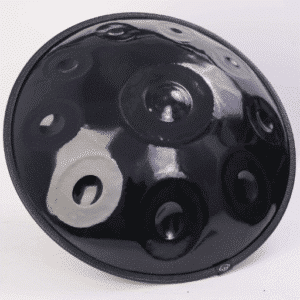
Unlock the magic of this sacred instrument through rhythm, melody, and expression
Learning the handpan is quite a musical journey as it marries rhythm with melody and expression through the player’s interpretation stylistically. The guide is designed explicitly to help absolute beginners unlock the magic of this sacred instrument, be it in awe of its gentle sounds or fascinated with its meditative qualities. So, from the basic layout to the first rhythms, this tutorial will open up all the insights and all the equipment needed to kick off the handpan journey with much assurance. Join me to explore the very basics and carve out a style on your own, and see how this great instrument will pave the way for a more fruitful relationship with music.
Introduction to the Handpan

What is a Handpan?
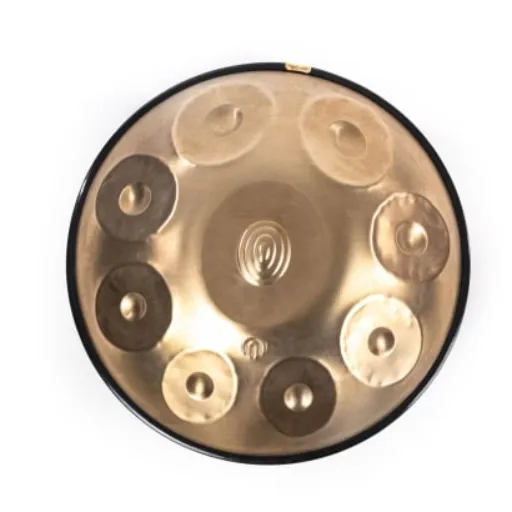
It is a steel percussion instrument, therefore, to be played by hand, and produces melodic and resonant tones. Most of the time, it will be shaped like a dome, exhibiting an arrangement of tuned notes in a circular formation. With its calming sound, the handpan finds application in genres that range from meditation and ambient to the more experimental ones. Its intuitive interface makes it very beginner-friendly, yet it has enough depth for an advanced player to dive into complex rhythms and melodies.
Why Learn to Play the Handpan?
It has many advantages for the development of personality and emotional well-being. The calm, meditative resonances of the handpan make it a perfect instrument for relaxation and mindfulness work meant to diminish stress and anxiety in the human psyche. Themed around musical intervention, these include better cognition, enhanced creativity, and improved memory retention. The handpan is so very intuitive that even learners without any prior musical background can pick it up with ease, irrespective of their age. The instrument’s unique and soothing notes make the handpan quite popular in yoga, therapy, and sound healing applications. Learning this instrument enriches musical expression while fostering learning about a community of handpanists orienting toward the contemporary world through various global events and workshops.
Getting Started: The Basics You Need to Know

Quick Start Guide: Getting started with a handpan basically involves picking out a good-quality instrument that fits your budget and interests. Find out the basic movements of your hand: tapping and gliding, to produce clear and resonant tones from the instrument. Build simple patterns and rhythms to get comfortable with the notes of the handpan. This is your opportunity to build confidence, so do keep practicing while you watch online tutorials or attend a workshop. Most importantly, enjoy the process and get creative. Click the link to learn more about the beginner handpan.
Choosing the Right Handpan
Choosing the right handpan requires considering a few technicalities that suit your requirements. First of all, the price can vary too much, with beginner models starting at around $300-$1,000 and professional instruments costing well above $2,000. The material also matters-a stainless steel handpan will sound slightly different from a nitrided steel handpan and, in any case, will have different levels of durability or resistance to rust. Then comes the scale and tuning; popular scales such as D minor or C major are excellent instrument choices for beginners and more advanced players, owing to their versatility. It is also good to consider the number of note fields, which depends on your priorities. Typically, beginner handpans come with seven to nine notes, while professionals can have up to eleven or twelve. Finally, look for reputable brands or artisan-makers with guarantees of handcrafting precision since the quality of handcrafting greatly affects the richness and resonance of the instrument.
Setting Up Your Practice Space
For setting up a practice space, calmness, distraction-free, and comfort are among my top priorities. I prefer a spot that is well-lit and allows enough room to either sit or place the handpan properly. A sturdy stool or cushion must be available at the correct height to support good posture while playing. Anything that can be of help in keeping myself focused, such as a metronome or a notebook, can also be placed nearby.
Hand Placement and Posture
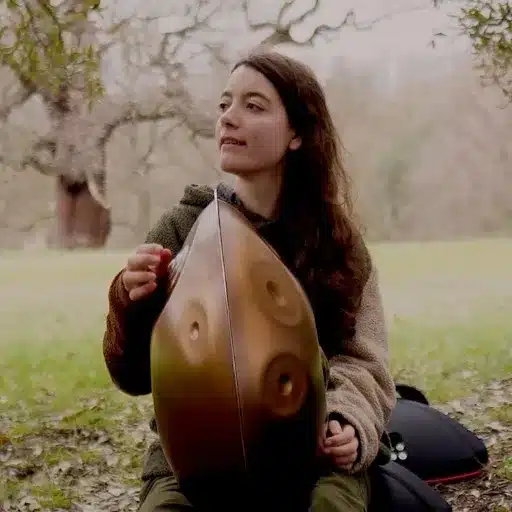
It would help if you had the proper hand placement and posture to play the handpan well and produce clear, resonant tones. First, be sure to sit upright on your stool or cushion, with a straight but relaxed back, so you do not start feeling pains after long practice sessions. Now place your handpan comfortably in front of you, with the ding (the center note) within easy reach.
Keep your hands relaxed, with fingers slightly curved, as if holding a small ball. Notes should be struck with either the pads of your fingers or your thumbs, allowing them to bounce back as much as possible to increase resonance and avoid muffling. The most effective sound is created by lighter and controlled hits rather than loud, crashing ones. Avoid unnecessary tension, especially in your wrist and fingers, and make it a point to shake that tension away during breaks.
Research Insight: Scientific studies suggest that playing an instrument with the correct posture supports improved sound generation and muscle endurance. Here again, equally important is keeping your hand posture consistent through time as practicing motor memory will enable faster note and rhythm transitions later on. With meticulous practice, your hands, posture, and natural resonance of the instrument will subconsciously work together, and you will find yourself able to express and perform with precision.
Fundamental Techniques for Beginners
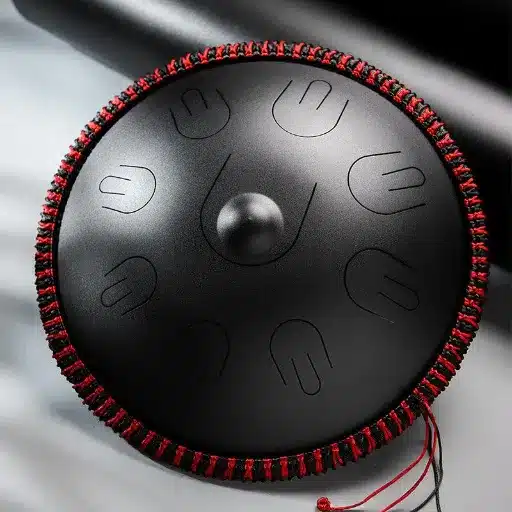
1. Mastering Posture
Proper posture requires sitting or standing comfortably with a straight back and shoulders relaxed. This prevents strain and offers better control for the sound.
2. Begin With Finger Placement
Pay attention to the placement of your hands while learning the instrument. Slow, deliberate motions, small scale, will help build coordination and accuracy.
3. Develop a Regular Practice Routine
Start with short periods every day in order to get familiarized, then increase the time of practice when your skills get better.
4. Start With Basic Scales and Chords
Basic scales or chord progressions would be your first step. This provides a working technique and aural identification.
5. Use a Metronome
Playing along with a metronome will develop steady timing and rhythm, which forms the substance of any stage of performance.
Striking the Handpan
Striking the handpan is about blending technique with precision and control in order to trigger those dramatic, resonating tones. When compared to any other percussion instrument, the handpan requires a very light, purposeful hit. Different sectors correspond to specific notes; hollowed fingers hitting a certain area of the handpan make the best clear tone, unlike hitting with a clenched fist or the whole palm. To combine with this, your fingers should stay relaxed so as not to make the sharp sound of conflicting tones.
Correct striking techniques cause the production of pleasing melodic tones, while improper ones may make the instrument wear down in the long run. Studies reveal that with everyday practice comes the development of muscle memory and finger sensitivity, two main objectives for performing complex rhythms and compositions. On the other hand, the studies on percussion instruments reveal that natural tones can be enhanced with good striking techniques, becoming more dynamic during actual play.
Building Rhythm and Flow
Learning about rhythm and flow with regard to percussive instruments means understanding tempo and timing. Studies state that a musician must keep a steady tempo to stay in time with others so that the whole performance is well-coordinated. For example, studies suggest that by practicing with a metronome, tempo control is improved, helping the musician “train” in sticking to consistent timing patterns. These studies also highlight the beauty of microtiming, with slight differences in timing lending expressiveness and a human feel to music. Technological advancements in rhythm analysis software detail that professional drummers commonly drift away from those strict tempos a little in order to force cohesion or “swing.” Other practice methods for drummers include switching tempos to build flexibility for potentially trickier charts, enabling creativity with precise execution.
Simple Exercises to Practice

Metronome Variations
Initially, play slow tempos on the metronome. Slowly increase the speed while staying intensely locked into the beat. For more adaptability, practice timing slightly before the beat, called playing “on top,” and slightly after, called playing “laid back.” This exercise will prepare you to implement those subtle nuances of microtiming.
Subdivide the Beat
Split each beat into smaller units such as eighth notes or sixteenth notes, and then proceed to practice accenting various subdivisions. For example, accent the “and” of every beat or the third sixteenth note in the group. According to studies, mastering subdivisions leads to improved timing and rhythm precision.
Ghost Notes and Dynamics
This technique involves including ghost notes in your rhythmic patterns; ghost notes are very soft and subtler “grabs.” Doing so will enhance your control of dynamics and your ability to articulate grooves with expressive nuance. Have the recording play back to you, and it will be your best tool for understanding where an area needs improvement.
Play Along to Live Recordings
Find songs in their live performances and play along with them. Since human performers tend to inject microtiming into their playing, this will train you to respond to those shifts expressively. According to studies, active listening integrated with performance develops strong temporal abilities.
Practice Polyrhythms
Practice layering two rhythms on top of each other, e.g., the left hand plays 3/4 while the right hand maintains 4/4. This exercise builds coordination and furthers the advancement of timing crucial for intricate works.
💡 Practice Tip: Only a 15-minute practice every day on it, and they can push their rhythmic confidence and sense of in-time playing further than not having focused on it at all.
Taking Your Skills to the Next Level
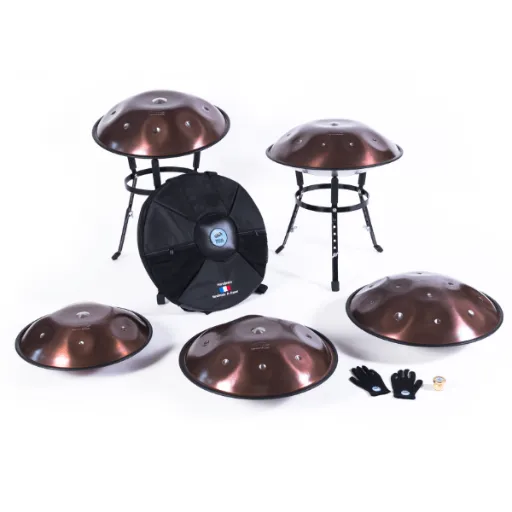
Increasing artistry calls for deliberate and consistent practice. Break down the difficult pieces into smaller bits and work on them. Mix in lots of other exercises, like scales, arpeggios, and dynamics, as they will develop your technique and flexibility. Recording your practice helps you assess your growth and areas that need improvement. Ask for feedback from your teachers or friends to improve your playing and interpretation techniques. In the end, have goals set in mind for your practice schedule, and do not rush the process, for with the passage of time, effort will culminate in consummate talent.
Exploring Arpeggios and Chords
When I am exploring arpeggios or chords, I try to focus on their construction and relation to each other in any given situation. I practice breaking down chords into their component notes so I can practice seamless and fluent arpeggios. Working with different inversions and voicings boosts my musicality and versatility. I can then put these to work effectively in my playing and composing.
Dynamic Playing Techniques
Dynamics breathe life into the music; hence, from a performance perspective, they provide infinite possibilities for expression and subtleties. In mastering dynamics, the performer will have to learn volume, touch, and even articulation in order to portray the required emotions effectively. Much like a pianissimo passage can bring about a feeling of intimacy and delicacy, a fortissimo one can bring across a whole lot of power and intensity.
For further polishing of these techniques, the musician would exercise on crescendo and diminuendo to ensure a smooth transition in sound, or at least one that comes naturally. Research points out how sudden or controlled dynamic changes work wonders for the performer-audience interaction, with more expressively varied performances meeting appreciation from the audience. Even more variations on attack-releases, staccato-legato, could greatly enhance a stunning interpretation, really engaging the audience.
Improvisation and Creativity
At the very heart of any artistic endeavor lies improvisation and creativity, offering performers the means toward weaving unique and memorable moments. Studies have indicated that memory and improvisation practices encourage flexibility of thought, apt decision-making, and solutions to problems. For musicians, improvisation during practice increases the capabilities of adaptation, so in this vein, there are some reasons to believe that jazz improvisers have a stronger linkage between various regions of the brain involved in creativity and memory.
Research Finding: Other data suggest creative acts do not only involve talent; they can be nurtured through conscious efforts and exposure via holistic influence. One report in 2021 found that 72% of the creative minds across disciplines considered teamwork and taking the plunge into new mediums to be the greatest methods to leverage for breaking periods of blocked creativity. By marrying technique with spontaneity, an artist can nurture their skills and simultaneously stir deep emotion within the audience, turning improvisation into the artist’s conduit of expression.
Learning Resources and Tutorials
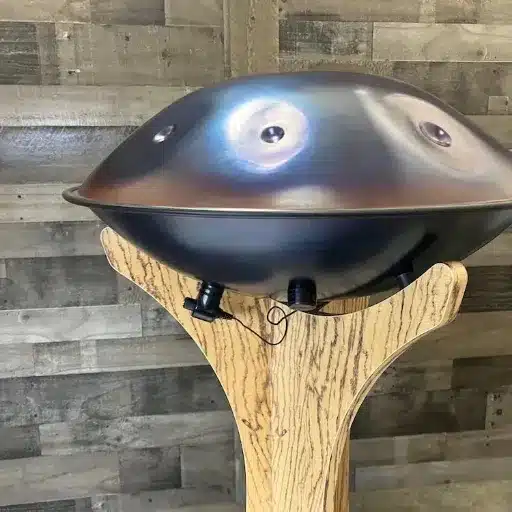
Popular resources for advancing your artistry include:
- Online Platforms: Sites such as Udemy, Coursera, MasterClass, and others provide structured classes in different aspects of performance technique, including dynamics and improvisation.
- YouTube Channels: Channels such as Rick Beato or Hutchinson Music offer free and valuable tutorials covering aspects of music performance and creative work.
- Books: Two wonderful books to work on your technique and artistic thinking are “The Art of Practicing” by Madeline Bruser and “Effortless Mastery” by Kenny Werner.
- Private Lessons: Interacting with a teacher or mentor provides direct personal feedback and guidance directed at your particular needs.
- Practice Apps: Depending on your schedule and time, apps such as Yousician and Simply Piano can serve in helping you practice all the skills.
All these tools cover the variety in learning styles, allowing an easier progression in refining the craft.
Online Tutorials and Video Lessons
Online tutorials and video classes completely revived ways of acquiring different skills: They gave an unimaginable degree of accessibility and convenience. Thousands of courses and instructional videos exist on platforms like YouTube, Udemy, and MasterClass for all levels-from beginner to advanced. For example, just on YouTube, there exist approximately 51 million educational videos from all fields-music, coding, cooking-everything. Research has shown that 83% of people who study online report that these courses are well-suited for them, because of their flexibility and because the lessons can be viewed again when needed. These resources offer step-by-step guidance, visuals, and expert guidance to help the learner acquire the desired skills independently.
Structured Lessons vs. Self-Teaching
✅ Structured Lessons
- Clear progression and curriculum
- Professional design with tests and deadlines
- Interactive class atmosphere
- Partnership with top universities
- 220+ million MOOC subscribers (2022)
🎯 Self-Teaching
- Flexible pace and style
- Video tutorials, blogs, and eBooks available
- Industry blogs and community discussions
- May lack structure and motivation
- Potential knowledge gaps
Contrarily, self-teaching offers flexibility that is difficult to match, allowing each individual to set the course, their own pace, and style. One may use options ranging from video tutorials to blogs to eBooks and forums in researching a topic of interest. Industry blogs and community discussions are often available to fill in knowledge gaps or to add a current contextual understanding. Hence, self-learning can sometimes be somewhat unstructured, resulting in gaps in learning or a lack of motivation. Harnessing the pros of both would ultimately give your learning a wholesome realization: a bit of structure when you need it, but loads of freedom for discovery when you don’t.
Community Support and Workshops
Learning, skill-building, and workshops for community support are grouped activities that bring people together for development. Workshops provide hands-on exposure to areas of expertise in which practical knowledge is often superior to theoretical knowledge. There is a substantial body of research showing that collaborative coding workshops improve problem-solving skills by 20% and foster teamwork and communication abilities.
Merging of communities online and offline encourages knowledge sharing, networking, and emotional support. Over 80% of participants in professional learning communities in 2023 consistently believed an increase in job-related skills six months into their engagement. Also, community forums and mentorship programs enable the connecting of individuals with peers of the same thinking, exchanging of ideas, and offering of counsel. These resources stand as a pillar of support and a springboard for innovation, making them essential for incumbent personal and professional development.
Overcoming Common Challenges
By promoting open communication and establishing clear goals, professional learning communities can overcome some of the most common challenges. For instance, an issue like lack of participation can be resolved by fostering an environment that makes all members feel valued and welcomed to contribute. To counteract time-management issues, it would be good to hold regular meetings, but keep them brief and with clear agendas. Also, the use of tools and resources that are accessible to all ensures participants can communicate and stay connected easily. By instilling a culture of collaboration and accountability, these challenges can be successfully met and create a more productive and enriching community.
Improving Rhythm and Timing
Improving rhythm and timing affects performance in a diverse range of fields, including music, sports, and public speaking. The literature indicates that by regular drills with reinforced mechanisms, such as training with a metronome, there is a well-documented improvement in rhythmic accuracy of up to 20%. Being suitably in time is for the musician’s paramount concern in order to guarantee a unified performance, while for the athlete, training with rhythm is one of the best methods of ensuring efficiency in movements and coordination. Another example of rhythm helping the body would be through Dalcroze Eurhythmics, which connects rhythm with body movements and spatial awareness, thus facilitating the internalization of timing through an external physical response. Integrating these methods further into daily practice leads to not only better precision but also a host of cognitive skills that help with premature anticipation and decision-making. This approach underscores the fact that rhythm and timing involve much more than sticking to a tempo-they are crucial for the overall skill and success.
Producing Clean Tones
Clean tone production requires a balance of technique, well-maintained equipment, and knowledge of sound control principles. For string instruments, clean tones typically arise from precise placement of the fingers, just the right amount of pressure, and a considered execution of bowing or picking. Maintenance of instruments can be the single biggest factor in attaining a clear tone: clean and polished frets and brand-new strings are things to aim for. Wind instrument players would favor better breath support, clearer articulation, and even better cleaning to counter moisture buildup.
The electronic settings-from amplifiers to pedals to audio processors just as important. To give a clear and crisp tone without distortion, gain has to be kept low, and EQ settings probably ought to be unorthodox. This study of sound production reminds us that frequencies in the range between 2 and 5 kHz usually enrich tone clarity, yet the effect varies by circumstance and type of instrument. Performers most often resort to noise gates or compressors to mask unwanted background noise and preserve a consistent tone.
Imploring focus on technique and regular practice, plus routine equipment maintenance, ensures clean tones across musical situations.
Staying Motivated
Musicians need to keep themselves motivated to realize long-term development and fame. Today, studies state that setting clear and actionable goals can increase motivation and productivity. For instance, musicians who set up a timetable for practice are 50% more likely to stay consistent than those who plan with generals. Breaking large goals into small milestones reacquires a sense of achievement and steadily helps keep momentum.
This is further strengthened by having a circle of people to spur motivation. Joining a local music group or engaging with an online community will offer ample opportunities to network and collaborate, but also to receive constructive feedback. New research also reveals that 68% of people in group activities feel more motivated to practice and perform while sharing a sense of accountability and belonging. This way, in the long run, the combination of these methods can help any professional musician nurture his/her passion while improving at an even pace.
🎵 Encouragement to Keep Practicing
Consistency is crucial to mastering any ability and music fills the bill. Get encouraged by establishing several small goals and celebrating the progress you make toward them. It is important to emphasize that short periods of practice that are frequently repeated can show impressive improvements over time. Finding good friends and mentors who motivate you and give you feedback will really help. However, above all, stay centered on the fun that music offers because your zeal will see you through the challenges. Keep going—even an hour a day will bring a great change.
Exploring Advanced Techniques
As you advance in your musical journey, incorporating advanced techniques can significantly elevate your proficiency and creative expression. One such technique is alternate picking for string instruments, which improves speed and precision. Studies show that consistent practice of alternate picking patterns for even 10-15 minutes daily can result in a noticeable 20-30% improvement in overall picking speed within a month.
For vocalists, exploring breath control exercises such as diaphragmatic breathing can enhance vocal stamina and range. Professional vocal coaches often recommend routines like sustained vowel singing or scale repetitions, which can help singers improve control and pitch accuracy.
Pianists and keyboard players may benefit from focusing on finger independence and agility drills. Techniques such as Hanon exercises or variations of scales with intricate finger patterns help refine dexterity and hand coordination.
Additionally, in rhythm-based instruments such as drums, polyrhythmic exercises are an excellent way to challenge your mind and improve timing. Recent studies highlight that mastery of polyrhythms can enhance cognitive flexibility and neural synchronization, showcasing the broader mental benefits of such practice.
By integrating these advanced techniques into your regular practice, you not only improve technical skills but also introduce a higher level of refinement and artistry in your musical expression.
Reference Sources
- University of Southern California Scalar – Handpan Drum Instrument Explained for New Players
Provides an in-depth explanation of the handpan as an instrument, its unique playing style, and its appeal to new players. - Oregon State University Blog – Handpan Pan Drum: Tips for Beginners and Experts
Offers practical tips for both beginners and advanced players, focusing on posture, hand positioning, and playing techniques. - University of Illinois Chicago Digital Resource – Handpan 8 Notes: Popular Choice for Beginners
Discusses beginner-friendly practices, including basic rhythms and melodies, and highlights the importance of exploring the full scale of notes.
Frequently Asked Questions (FAQs)
🌟 Start Your Handpan Journey Today!
Remember, every expert was once a beginner. With dedication, practice, and the right guidance, you’ll soon be creating beautiful, meditative music with your handpan. Embrace the journey and let the soothing tones guide your musical exploration.