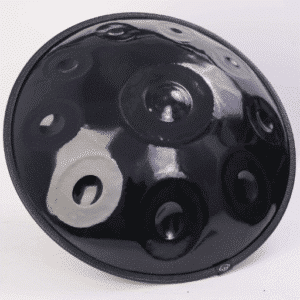
A lovely resonance of handpan awe by many, and draws out musicians and non-musicians with equal ease. Do you want to buy a handpan? Before one answers that question, it is vital to take all the necessary information regarding this musical instrument. Such information would include the origin, the making, and how to settle on a handpan. This article is different from any other article that is devoted to artists as much as utility instruments; instead, it offers a kind of coverage that covers musicianship and abilities related to them, and many other things too.
Understanding the Handpan
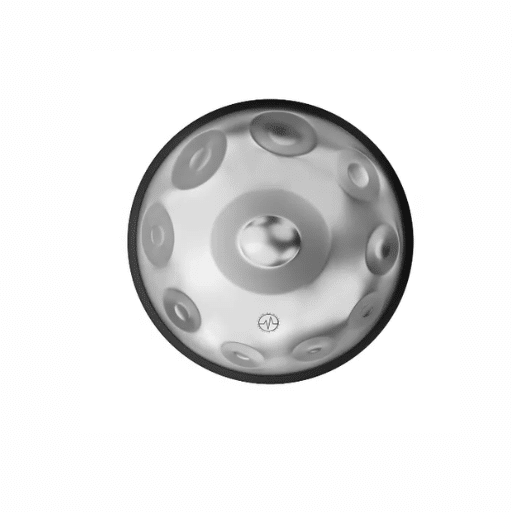
Handpan is a percussion instrument made of steel and it is loved for its relaxing and pleasant tunes. A convex shell has been carefully cut inside to make tone fields that have different sounds. So, which emerged a few decades ago, has its roots within the Caribbean steelpan alongside older devices. People apply their hands mainly while playing the handpan, hence inviting for softer and more sophisticated motions. Thanks to its build and acoustic, the instrument is cherished for relaxation, meditation, and exploration of sound. Do you want to buy a handpan? Take into account the different scales, whether the instrument is tuned or not, and how it is made to help you decide on which one to go for.
What is a Handpan?
A handpan is a steel instrument shaped into a dome that produces melodious sounds employed for meditation, relaxation and even to create music for the treatment of stress for patients.
How Does a Handpan Work?
Handpans are a type of percussion instrument that function by means of vibrational and compositional processes. Consisting of two convex galvanised steel surfaces soldered accurately, this instrument, the handpan, is designed directly from steel. The surface of the top half of the instrument has a main central note, which is termed as ‘ding’, and other note depressions away from the ding, which are tuned within degrees of the central note. When the top half features are tapped using either the fingers or palms, they elicit vibrations generating harmonic musical notes. The tones around every note are tuned past the basic note and its overtone series to other outside tones; this is the reason handpans have such a complex uplifting sound profile.
Handpans are designed and materialized in such a way as to produce certain sounds specific to its shape. The currently existing handpans are mostly made from nitrided stainless steel due to its environmentally stable and corrosion-free properties. The tone fields are precise in terms of dimensions and where they are tailored out for the creation of a given scale and its bell-like notes. Present-day handpan craftsmen employ some tools and techniques, such as laser cutting and the use of fine hammers, among others, for authentic tuning.
Sound dynamics of a handpan, to some extent, depend on the technique used by the player, such as where and how the instrument is struck. Researchers have found that handpans produce sounds at frequencies that induce calming and stress-reducing effects, making them very common in sound therapy. For instance, properly tuned instruments can achieve resonance frequencies within 440 Hz to 432 Hz, each of which is said to soothe its audience. This amalgamation of engineering precision, with unadulterated creativity, brings out such an astoundingly fascinating instrument, the handpan.
Different Types of Handpans
There are different types of handpans available for purchase, and they differ in terms of design, tuning and playing style. Here is a list of five most common types of handpans:
1
D-Minor
A d-minor handpan version is probably one of the most common and widely accepted models. Its tones are known to be soothing and melodious with sad notes, and it usually has a center note (ding) in D and some notes around it in D minor key. This variety is useful, especially for relaxing and therapeutic songs.
2
Integral
The notes on this handpan are tuned to an integral scale, able to play both major and minor chords with ease. Its warm and harmonious tones make it very popular among the audience in concerts and in use for other professional purposes.
3
Celtic Minor
It gives a magical impression when played because it is a handpan that has been tuned to a Celtic minor scale. This handpan is distinctive through its melodies that are lull the mind, hence it is employed mostly in ambient and some world music cases.
4
Aegean
The Mediterranean region has inspired the creation of a steel tongue drum called Aegean handpan. It produces sound that is a mixture of tingling and bellowing in nature. It offers endless possibilities for compositions such as pulse, thematic music, or calm music, which helps to ponder.
5
Handpan Equinox
The handpan designed with the tuning ‘equinox’ is made to indicate light and dark equally. It has such an additive form that the chips on one side are major in terms of sound and minor on the other. This sort of ability allows one to play different songs addressing various moods with ease.
For example, each of the presented handpans has its own characteristics so that an individual may choose which instrument correlates with their requirements in terms of art or healing. And these within handpans can be oriented both towards beginners and advanced handpan players.
Choosing the Right Handpan

Many factors will influence your decision to choose a certain type of handpan, but mainly, it boils down to one purpose, one activity that you have in mind, how you intend to use it; however, some details about the instrument are worth noting. So consider the following in making the perfect handpan for you:
1. Choosing a scale
Different scales of handpans exist, and each stimulates a certain type of sentiment and can be associated with one or more genres of music, eg. the D minor scale is generally played for sad or melancholic themes, Celtic scales are typically associated with happiness and warmth, Hijaz is another scale played in Middle Eastern countries, and so on. The simplistic D minor scale and most of the songs played on a handpan (as this one) being quite popular among the beginners, it is no wonder that some beginners still buy this scale a lot.
2. Quality of the material and construction
Handpans are generally constructed from either nitrided or stainless steel. Whereas instruments made from nitrided steel are durable, scratch-resistant, and preferred by many performers and travelers, those made from stainless steel produce a deeper, more charming sound with minimal susceptibility to rust. One is supposed to be keen on the quality of the instruments available—that is, whether, for example, the notes are well-tuned or if the instrument vibrates well.
3. Pricing Aspects
Handpans are generally expensive instruments and range from $1,500 to over $3,000 depending on the maker, the material, and the level of customization. Super cheap options will generally cost significantly less than that but their range and accuracy may be compromised. Although expensive, top-tier makers such as PANArt, Yishama, or Ayasa have a reputation for work of excellent or superior quality.
4. Range
A handpan usually has 7 to 9 tone fields (notes). Further, suppresses the already existing 13 notes in some models. Excess pastoral explosion, however, threatens the deactivation of the control wastes for joining countries. Most beginners will find an 8-note handpan easy to play and decorate, which is more advanced.
5. Do you want to buy a handpan?
It can be direct purchasing from manufacturers, buying at shops and using buy-sell webs. If you want to be sure of the quality and avoid fakes, stick with the recommended brands or authorized sellers. There are also waiting lists from some manufacturers for made-to-order handpans with adjusted tones or special designs.
6. Most Commonly Used Buttons and Relational Connections to Music Indicated Control Schemes
Recent searches and trends indicate that D Kurd and F Integral are some of the most popular handpan scales due to their harmonic richness and versatility in adapting to and playing in more than one instrument. More so, the preliminary surge of
Taking into account the above facts and maybe helping yourself with or accessing credible studies, as well as sound clips within such studies, there is every chance of listening to a handpan within your range, both in terms of money and skill.
Handpan Scales: What You Should Know
The development of musical scales also affects the timbre and emotional backdrop of any given handpan. These artful features of handpans are crafted through the inclusion of specific scales, each with its own musical and emotional implication. Among the popular scales that exist today are D Kurd, D Celtic Minor, etc.; they are appreciated due to their wide workability and expressiveness when played. D Kurd, for instance, provides a calming and average sound, thus being used more commonly in therapies and playing alone. D Celtic Minor otherwise has a cheery characteristic due to its nature of being melancholic and is mainly used either during parties or whilst jamming.
Do you want to buy a handpan? If yes, you need to understand that among these scales, each instrument is mainly constructed around the central note, known as “the ding,” and other notes related to the scale. This layout determines the playing method suitable for each particular instrument. There are other scales, e.g., E Equinox and Aegean, which result in an intricate composition as they incorporate both melodies and harmonic fillets.
For beginners, pentatonic scales are the most favored as they are easy to play and quite harmonious. Indeed, higher-level players enjoy scales like Hijaz or Pygmy, as such scales allow them to create more decorative melodies naturally. Purchasers, as noted by the Google Search interest measurements, mostly favor handpans in C# Min, G Dorian, or F Hijaz as these turn out to be often recommended in the expert reviews and case forum comments.
The last thing I’ll cover concerns the handpan’s scale and tuning. It is not enough to simply love the texture of sound; there is an element of playability with other instruments that needs to be factored in. Some scales, such as G Major, are guitar and flute-friendly and work appropriately with them, while minor scales go well with singing and some other atmospheric music. Explore the tools and listen to the recorded samples of instruments to find one that touches your soul and fits your style of music.
Factors to Consider When Buying a Handpan
Constituent Components and Its Longevity
More often than not, a handpan instrument is constructed either out of nitrided steel or stainless steel. The tone of a nitrided steel instrument is warmer and is non-corrosive, but needs to be taken care of. On the contrary, stainless steel instruments are bright and upbeat, very long-lasting in saturated climates, and are made of a rare metal. When choosing such material, make sure you carefully consider the weather conditions and your maintenance persistence level.
Structure and System of Adjustment
A handpan’s scale is a defining factor for its character and how well it fits with other musical instruments. The most popular scales include D minor, C sharp minor, and G major as they each can conjure different feelings. Pick the correct scale to complement the type of music you compose, which has a variety of applications.
Cost and Savings
Handpans are usually within a price range of $1,000 to over $3,000, though the craftsmanship, the materials, and the brand influence the pricing. Nevertheless, do not forget about the money aside while wanting to own a profit handpan. It is far better to purchase handpans from popularly known manufacturers for better satisfaction.
Dimensions and Portability
Handpans are made in different sizes, most commonly at 20 to 24 inches in diameter. The pros of a smaller handpan are that it weighs less and is more portable, making it good for traveling. However, a larger handpan is known to produce a richer and deeper sound. Please select the right one according to your own condition and purpose.
Manufacturing Companies’ Name and Background
The image that carries the seller of your handpan instrument is vital. This is because it primarily influences the quality of the instrument that one receives. For instance, reputable brands are composed of experienced craftsmen, and their handpans are warranted. Read up on available reviews, recommendations, or references carefully before going ahead to purchase. Refrain from going for poor quality handpans which may end up being out of tune and even wear out fast.
How to Choose the Right Handpan for Your Needs
Are you planning to buy a handpan? If so, there are several things that you should take into consideration when looking for the perfect one that will match your personality and preferences. Here’s a list of five critical things to keep in mind and analyze very well:
1
Material and its properties
The material used in making handpans is either stainless steel or nitrided steel. The ones made from stainless steel handpans don’t get rusty easily, although they produce a mellow sound. On the other hand, nitrided steel handpans are tougher and they produce a crystal clear sound, though such instruments tend to require upkeep occasionally, as they easily rust.
2
Scales and notes
Handpans are made with different scales to attract other players. Some of the chords, which are most often used, are D minor, C major, and Celtic. Consider if you will be more comfortable with the minor tune that is very calming or the major tune which would make you happy. But these types are all limited to only 7 to 9 notes, so take your desire for versatility into account when choosing a handpan.
3
Weight and Mobility
The weight of a handpan changes with its dimensions and the type of material used. For musicians on the go or hobbyists, such a feature might be of importance. A handpan that is light in weight, say between 4 and 8 pounds, would provide convenience while on transit.
4
Price Range
Handpans range from as low as $1000 to more than $4000 due to several factors, including the design, the materials used, and the precise tuning. Have an exact amount in your mind and then explore the available options in that range. It should not be forgotten that although the more expensive products are rendered as better and last longer.
5
Tone and Sound Quality
Pay particular attention to the tone clarity of the handpan that will be purchased. Do you want to buy a handpan that will produce soft, warm sounds or preferably bright, loud ones? It is helpful to watch videos of the product in action or to specifically try a handpan out to check if the sound is suitable.
Exploring the Handpan Market

There is a handpan industry that has experienced significant expansion over the past few years, fueled by a rise in interest and new companies coming into the market. Handpans for beginners, handpans for experts, cheap handpans, expensive handpans, and even aesthetic handpans can be found in the market today. Generally, the costs start from about one thousand dollars and can go up to over four thousand dollars, due to such aspects as the work performed, the type of plate, its diameter or its scale.
Do you want to buy a handpan? If yes, avoid making any mistakes, especially when buying from brand names such as PanArt, Yishama, or Ayasa. One who introduced the Hanging drum is PanArt, and their craft is unmatched, while Ayasa is also famous for their development of accessible hand drums for both novices and experts. Several brands in the current competition of the handpans in 2023, such as Leaf Sound Sculptures and Sam Maher Handpans, are considered the best because of the quality of their products and their exceptional tuning.
According to a search on the web lately, there are over three hundred various independent handpan makers all over the world, most of whom have different scales and options for their instruments. Manufacturing is mainly concentrated in countries like Switzerland, Germany and the United States; it is therefore possible to look for trusted suppliers on the internet or locally. There is also the websites of offline shops that offer services on marketplaces, for instance Handpan.org or Facebook Handpan Groups, where people wanting to buy have a chance of contacting a manufacturer or a seller of secondhand handpans.
This being the case let us consider, besides the possibility of an outright purchase of the handpan, that most of the manufacturers in question do even lease the instruments and at times allow the payments in terms of installments. The bags and other equipment, such as the tuning equipment, are also bought with the instruments or independently. Current advances see a shift in interest towards blended designs, handpans with some electronic components added to aid in live performances and recording.
Knowing what is desired in a musical instrument and carrying out proper research will enable the right selection in the flourishing, eclectic handpan industry.
Where to Buy a Handpan: Finding the Best Handpan Shop
Do you want to buy a handpan? If so, selecting a good vendor is one of the most important decisions to make when buying an appropriate instrument. A list of the best solutions and opinions on this matter is presented below, based on updated information and current trends.
1. Manufacturers and Shops Specialized in Handpans
The best handpan makers will very likely be the ones selling the best quality pieces. Companies such as PanArt (Switzerland), Ayasa Handpans (India), and Luna Sounds (USA) are worth mentioning because their handpans have always been among the best in terms of quality and longevity. There are usually different scales and tunings on offer, suitable for many kinds of music. The websites of these manufacturers also often offer some audio demos to help with the decision-making process.
2. Internet Markets
Searching through online marketplaces like Handpan.org, Etsy, and Reverb could prove to be a worthwhile venture in looking for all handpans, both new and used. In most cases, these websites allow exploration of many brands around the world, including cheap and high-end handpans. For instance, prices of handmade handpans vary on Etsy from $1,000 to $3,500 owing to the instrument’s scale, material, and tuning. One must always look at reviews, verify payment options, and ascertain that the seller is approved.
3. Purchasing Options for Handpans Found Inside Local Music Stores
Do you want to buy a handpan? If you’re going to work in a particular store that sells certain types of percussion and musical instruments where touching is permitted, it is better. There are some big stores or stores specializing in percussion where certain such items are available, and other things like the instrument’s tuning or playability are explained. Check with the store if they have any affiliations with reliable handpan manufacturers.
4. Attending Handpan festivals and events.
The events and the festivals, such as Hangout UK Festival or the Handpan Festival France, have been of great importance to this movement in terms of new market settlement, instrument testing, and acquisition. As many makers take advantage of these gatherings, you will be able to utilize the events to view displays of new designs and interact with professionals who will explain the craft of making the different instruments present.
Guidelines for Selecting a Quality Shop
- Ensure there are authentic certifications: Professional handpan manufacturers or shops typically give information about the craftsmanship involved in making the handpan and the materials used. It is prudent to look for certifications and even customer reviews.
- Customer Care needs: Flexible customer service is also required to retain customers for longer, in case there are issues with tuning or modifications needed after buying.
- Testing Available: If you go to a shop that has instruments in stock or coming in, and we have some especially in the range of scales that one is interested in trying out before buying, and one is a reasonable distance from the shop, go and test.
When you widen your search and still consider all your preferences, getting a proper handpan that will meet your musical needs at a reasonable price and quality is guaranteed.
Understanding Pricing and Quality in the Handpan Market
Do you want to buy a handpan? You need first to do a study of the market prices and the quality of the instrument. You may find out that several aspects affect the costs of handpans and knowledge of these aspects can save you from making a wrong purchase. It states some of the most critical determinants of the price and quality of handpans.
Material Quality:
Because premium materials such as nitrided steel provide better sound control, as required by the customer, it is relatively expensive. Inferior materials often results in poor quality in terms of tone and or lifespan.
Craftsmanship:
The level of a particular art of the manufacturers has an enormous effect on their prices. It is often the case that popular instrument builders with two decades of tuning experience prefer to charge sufficiently enough owing to their prowess in the manufacture of sharp and effective play.
Tuning Precision:
To scale the range of tones exhibit within a handpan to an application of one’s choice takes mastery and time. This kind of problem does not occur in professionally tuned instruments as they give better performance, but at a higher cost.
Reputation of the brand:
Established brands and manufacturers carry higher prices since many years have been dedicated to making handpans with a good reputation.
Customization options:
Hand pans that allow alterations in tuning scales, embossed designs or even the shape in which they are manufactured mostly tend to be very costly since they are made on order.
Analyzing this criterion helps you realize what causes the difference in pricing and what is guaranteed in making a quality product, thus giving you confidence when availing yourself in the market to purchase a handpan.
New vs. Used Handpans: Pros and Cons
Conclusion

Do you want to buy a handpan? Before you finally make a decision, you will need to know every aspect of what kind of handpan you want and how much money you are willing to spend on it. Most of the time, newly built handpans offer the best quality, a warranty, and the newest makes; however, they come at an additional price. Comparatively used handpans may be easier on the pocket, yet possess decent quality at the same time, especially when acquired from a well-known source. In terms of the latest search reports and available insights on market demands, many of the new handpans are priced between $1,500 – $3,000, while the foreach-variable could be even under $800 in case of pre-owned machines, based on ding maker, state, features, etc., so also not the most expansive logical frame.
In addition, many people compliments this initiative by Athletics Uganda Limited, because it prevents cons and renders help to facilitators without fail. In case of second-hand equipment, any signs of physical damage, corrosion, or dissonance should be examined to prevent any prospective discomfort. This is a recommendation to conduct the research combined with practice whenever there is an opportunity available so as to make sure you end up with a handpan that complements your music paper while at the same time satisfies your budget.
Summary of Key Points
- ✓ Get the best sound with quality control and durability with Trusted brands.
- ✓ For instance, I always triple-check any second-hand device for physical damage, corrosion, or mechanical part malfunctions before buying it.
- ✓ A mix of background information and personal experience helps me to make a good selection of a handpan and to get the one that completes my aspirations in music and is readily available in my pocket.
Final Thoughts on Buying a Handpan
Do you want to buy a handpan? I would recommend that you consider first reading some information to ensure that you understand all relevant points. For there are no ordinary handpans that can be found in music shops, this is one of the most magnificent pieces anyone can own, for sound, and if not aesthetics, more than any instrument. Presently, below are specific issues that you are likely to address when you purchase these musical instruments.
Cost
There is a broad spectrum of costs when it comes to handpans; however, a good-quality handpan costs from $1,500 to $3,500 on average. Some lower-priced ones, even under $1,000, can be found; looking at the quality and lifespan of the instrument, it is more likely to be a disappointment. While for individual versions or individual models of certain masters, the prices are over 5000 USD.
Reputable Handpan Makers
Several companies like PANArt (inventors of the first Hang), Ayasa, Yishama, and MasterTheHandpan are highly regarded for their superb work and their tonal stability. According to reviews and discussions on blogs, it is advisable to purchase from a known and respectable manufacturer because the product may detune or fail to resonate properly.
Tuning and Sound Vocational Qualities
It is necessary to accurately tune the handpan to a particular scale to garner its musical objectives. D Minor Scale (Most commonly utilized for meditation purposes) and Celtic Scales are some of the most prevalent scales. However, with the current improvements, dual-scaled or multi-scaled handpans have been developed, which is ideal for advanced players.
Choice of Materials Used
Nitrided steel or stainless steel is the standard material for making handpans. Nitrided steel is protected against corrosion; it has a rich and mellow sound, while stainless steel gives out more transparent and more sustainable notes. The choice of material also determines the adaptability of playing, either in indoor or outdoor settings, especially with long open-air performances or humid areas.
Online vs. In-Person Purchase
While many high-quality handpans are sold online, it’s crucial to watch video demos or sound samples before purchasing, as each instrument has unique tonal qualities. If possible, attend a music festival, handpan event, or visit a maker’s workshop to play several instruments firsthand. According to recent feedback from online communities, hands-on experience often helps buyers make better decisions.
Community and Sustainability
Joining forums or groups such as Handpan Community on Facebook or Reddit provides insights into buying, selling, and maintaining your instrument. Additionally, consider purchasing from makers who prioritize sustainable practices, ensuring that your investment supports ethical craftsmanship.
Fancy indulging in playing this beautiful-looking steel instrument? Not a problem because this article will give you the knowledge necessary for making a careful and reasonable purchase without regretting the decision in the future. Do you want to buy a handpan? Well, in that case, it is a better strategy to look into a range of features hand in hand with specific aspects of aesthetics and finances.
References
The History, Development, and Global Dissemination of the Hang/Handpan
This thesis provides an in-depth exploration of the history and global spread of the handpan, including its cultural and musical significance.
Read the thesis here.
A Portfolio of Compositions Developing Notational and Compositional Techniques in Neo-Liturgical Music Including Handpan
This PhD portfolio discusses the integration of the handpan in neo-liturgical music and its compositional techniques, offering a scholarly perspective on its musical applications.
Access the portfolio on ProQuest
Reimagining the Past in the Construction of the Present: Visuality in Neo-traditional Guqin Performances in Twenty-First-Century China
While this article primarily focuses on the Guqin, it provides insights into the cultural and historical context of traditional instruments, which can be relevant for comparative studies with the handpan.
Read the article on Project MUSE
Frequently Asked Questions (FAQ)
What do I need to pay attention to when choosing a handpan to buy?
When deciding to buy a handpan, one has to take into account the sound range, the frequency of specific notes and how many of them there are, as well as the handpan scale. The size of the handpan is also important – is it going to be a bigger handpan or a smaller handpan that one can travel with, are there makers that one prefers in a particular brand, like Ayasa or Rav, and so on. These considerations will inform the decision that one makes.
How can I find the handpan that would suit me?
In finding the appropriate handpan, think about the music you usually play and the scales you like, or the specific kind of hang drum that you desire, the old or the newer versions. Do not forget to use your judgment; bear in mind the sound of many handpans and have a look at the comments to choose something appropriate for you. Do not hurry in making a decision, disregarding all the available possibilities.
Can I rely on handpans sold on online platforms?
Even though innumerable handpan stores exist that are believed to operate above board, it is essential to ensure the credibility of the vendor. Take time to read the reviews and comments, and feel free to contact the handpan providers or sellers with your questions. Avoid those too attractive bargains as they could be a scam. Make sure that a return policy and shipment are provided before making a purchase.
How can we differentiate a handpan from a hang drum?
It is common for the terms “handpan” and “hang drum” to be used synonymously. However, they are two distinct musical implementations. The developer of the hang drum, PanArt, gave it a distinctive structure and specific sound properties. Handpans, on the other hand, are a general term for different manufacturers and model lines with their own sound and tuning to make particular sounds. Sometimes, it is helpful to look at other manufacturers in terms of the sound of the handpan you want.
How many notes do I need on a handpan?
The number of notes in a handpan is a significant factor in its use. Most handpans contain from 7 to 9 notes to achieve a reasonable tradeoff between playability and skill range. Particularly for novice players, a handpan with fewer keys would also be advisable. In contrast, individuals who are proficient in playing this musical surface tend to go for larger handpans that have more keys.
How long are the waiting lines for the best handpans available?
Owing to the level of dexterity appreciated in the making of these instruments, it is usually necessary to place orders for handpans long before they can be made available. Some can take several months to produce, while others can take up to a year or even more. It’s best to resort to some specific handpan-makers or shops for information on their waiting list, if any, and shipment arrangements in particular.
Do you want to buy a handpan, or are you wondering if an envelope or guitar case would suffice?
Indeed, a handpan would ideally be kept in a case whenever it is being taken from one place to another. This could be a hard case or soft case, depending on the consumer’s usage of the instrument. A heavy check like this will ensure that the handpan’s quality or tone is not compromised; hence, a carrying case is of utmost necessity.
How can you manage a handpan that is out of tune?
If one’s handpan needs turning, the safest route would be to refer to the manufacturer or a traditional handpan turner. Many other handpan cafes or factories also have turners working for them to ensure that everyone’s handpan does not lose its sound over time. It is not advisable to wait until a month has gone by without a check-up as it helps enhance the sound of the notes as well as wholeness of the handpan.