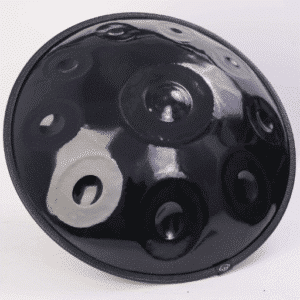
Regarding music creation, there is nothing more crucial than handpan tuning-a beautiful and resonating handpan creates smooth tones and pleasant melodies, awe-inspiring to the listener, making him or her soar into an ocean of calm and creative ambience. However, attaining this form of perfect music needs skill and precision. Let us delve into the intricacies of handpan tuning with inspiration from Rivera Steel, which at all times means the best handpan fabrication. This tuning guide will walk any handpan, the seasoned or the newbie-through the procedure of tuning, down to basic upkeep; in turn, it will maintain the uniqueness in tonality of a particular instrument. Take the musical road and learn the untold art of handpan tuning.
Introduction to Handpan Tuning

Due to the very essentials of needing to maintain the given frequencies or harmonics, handpan tuning involves adjusting the notes or the setting of the handpan. It is therefore fit and proper to tune a handpan in a given scale, maintaining which tuning helps to retain its unique sound. An expert tuner would then soften any vibrations in the metal with professional skills so that the tones of the handpan could be clear and crisp. Regular tuning may be necessary to correct any changes that could have occurred during playing, from temperature variation or accidental hitting. For the best results, a concert tuner who has relevant experience tuning handpans must be sought.
Overview of the Handpan as a Unique Instrument
Introduced in the very early 21st century, the handpan represents an extremely recent instrument. The inventors were Swiss, Felix Rohner and Sabina Schärer of PANArt, who made the first instrument in 2000 as a variation of the steelpan. The instrument’s conception was an idea from traditional steel drums, gongs, and percussive instruments such as the Ghatam and Udu. Its resonant and floating melody has attracted worldwide artists and listeners.
Precision craftsmanship is fundamental in making a handpan. Steel usually undergoes nitriding to harden the surface of the handpan, which is then carefully formed into note fields that are tuned to specific frequencies. Most contemporary handpans have anywhere from seven to nine notes surrounding a central ding note or center note, which is typically tuned in pentatonic or diatonic scales or in other scale systems. The versatility facilitated by the instrument is much appreciated among enthusiasts, as it really works well for anything from meditative and therapeutic music to more experimental forms.
Explorations with materials and techniques have allowed for a broader market, news, and customization in handpan manufacturing. Electroformed and stainless-steel versions have become more common, with greater durability and different tonal characteristics. This change has ensured that the handpan continues to fascinate musicians while retaining its unique status as an instrument that offers a different realm of expression.
The Importance of Regular Tuning

The handpan requires periodic tuning in order to maintain its unique sound and resonance. Over time, due to slight effects introduced by the vulnerable construction that can be caused by frequent play, humidity, and minuscule knocks, the “tuning” can alter even slightly. Professional tuners advise maintaining this check at a minimum of once per year for the instrument to give its best performance.
Data indicates how irregular tuning may disrupt harmonic overtone and postpone the very nature of the handpan’s characteristic sound. By contemporary means, precision adjustments and corrective tuning are conducted with the support of state-of-the-art tools such as frequency analyzers to reinstate the sonic vitality of the instrument. At the same time, seasoned tuners are also capable of offering customized services to accentuate the tonal characteristics that suit the player’s desires. Undertaking this approach will guarantee that the instrument stays in excellent working order throughout time.
Why Handpan Tuning is Essential
The tuning of a handpan maintains its unique sound quality and guarantees a harmonious playing experience. With time, through regular use, changes in temperature, or after a certain impact, tuning can alter, causing notes to sound off-pitch. The right tuning restores all balance and resonance, enabling a handpan to produces rich tones as intended. This ensures the instrument’s optimal performance and enhances its lifespan.
Maintaining Sound Quality
Good care and attention to the instrument and its environment play an essential role in sound quality maintenance of the handpan. Research has shown that temperature and humidity levels considerably affect the instrument’s tonal integrity. Preferably, the handpan should be stored in an environment that maintains the temperature within 68–75°F (20–24°C) and relative humidity within 40–60%. Anything long-term in extreme conditions will cause an expansion or contraction of the metal, which may impact the tuning.
Cleaning with a soft, non-abrasive cloth, after teachers know to clean off any oils and moisture that might cause a corrosive reaction, is necessary after every use. Protective oils, suitable for handpans, may be sprayed on the surface from time to time to guard against rust. Using a padded carrying case will prevent it from getting hit and dented on the metallic plane, impairing its sound quality. By combining these procedures, musicians provide the instrument with good upkeep for maximum tones and resonant sounds throughout each time period.
Prolonging the Instrument’s Lifespan
Proper maintenance would ensure that your handpan had a good life for many years. Research states that an ideal humidity level of 40 to 60 percent reduces the chances of rust formation. In very humid conditions, a dehumidifier should be used, while an overly dry atmosphere would require a humidifier. Other research on stainless steel handpans revealed that even rust-resistant materials might still be susceptible to corrosion and therefore need to be cleaned regularly using microfiber cloths and non-abrasive cleaners.
For storage, sit your handpan in a hard case with decent padding will insulate it from sudden temperature changes and accidental knocks. Modern cases with thermal insulation become particularly useful in keeping the metal from expanding or contracting under either extreme heat or cold. Data handling underlines that almost one-quarter of all damage to handpans occurs due to improper transport issues. It is thus very important to always carry the instrument in its protective case and avoid situations where it would lie in direct sunlight or moisture for a long time.
Using oils designed for your handpan should also be considered an expensive protective treatment to prolong its life. These oils form a protective coating but will also bring back the shine and provide an appealing gloss. With the adoption of these and consistent care, a handpan will be able to create the rich and resonant tones for many generations.
Enhancing the Playing Experience
To enhance my playing experience, I consciously pay attention to posture and hand positioning to obtain sound quality. I also try to keep myself busy with regular exercises and experiment with varying rhythms and techniques, which helps me develop my content with the instrument and further my skills.
Signs Your Handpan Needs Tuning
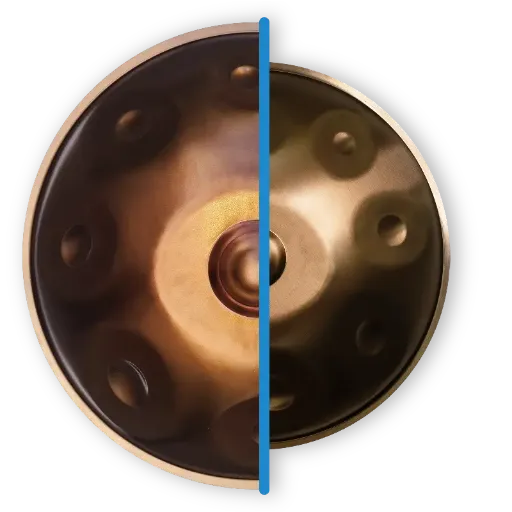
- Sweet Sounds – If a handpan produces unpleasant or off tones, it is generally considered to be out of tune.
- Unclear Notes – Difficulty in achieving clean notes more or less strongly indicates an out-of-tune instrument.
- Changes Upon Impact – Either accidentally dropping or hitting the instrument with force can change its tuning.
- Long Time Use – Time and natural wear cause inside detuning.
If you notice these signs, then it might be time to have it retuned by a professional so that its beautiful sound can be restored.
Identifying Off-Pitch Notes
Awry notes are detected by scrutiny and careful listening, as even a subtle detuning is able to tarnish the forgiving glare of an instrument. It is believed that the human ear can discern differences of approximately 5-6 cents of pitch, a cent being 1/100 of a semitone. Such sensitivity pushes the emphasis onto the need for fine-tuning, especially in string and piano instruments, where maintenance of pitch becomes imperative.
Here are some details to consider:
Frequency Analysis – The notes that are “off” may sometimes not cohere with standard frequencies of sound. The note A4 is said to have a frequency of 440 Hz. Any deviation in frequency almost certainly does result in a noticeable compromise in tonal balance.
Harmonic Patterns – Instruments produce not only the fundamental note but also a series of overtones or harmonics. Detuning an instrument may disrupt the harmonic pattern and cause dissonance or a blurred sound.
Acoustic Interference – When notes hiss at one another out-of-tune waveforms, they induce beats or the periodic changes in amplitude. Beats are the periodic changes in loudness recognizable as an out-of-tune difference.
Using chromatic tuners or tuning apps that determine the frequency or the cents value can provide exact information concerning which particular note is off-pitch and needs correction. As in the case of ensemble or recording situations, achieving unified tuning will ensure a harmonious blend and become an enjoyment to hear.
Recognizing Buzzing or Muted Sounds
Once an instrument is found to be buzzing or producing muted sound, the causes must be identified, which tend to be mechanical or environmental in nature. For instance, a string instrument with buzzing noises may have loose parts; these can be loose screws, loose frets, or loose strings with one string damaged. There can be excessive fret buzz on a guitar when the action is too low or the frets are uneven. Muted sounds usually emanate from a technical problem, either because insufficient pressure is applied to a string or because some obstruction, such as dirt or debris, minimizes vibrations. Data from instrument diagnostics assert that some simple precautions, like adjusting string height, lubricating moving parts, and cleaning instruments, can help curb most problems. There is further evidence suggesting that environmental parameters like humidity also play a role in causing these problems, thus highlighting the importance of environmental control during instrument storage.
Visual Indicators of Damage
With the aim of keeping the stringed instruments in good working order and serviceability, identifying visual features of damage is an important factor. This may be represented by visible cracks on the instrument’s body, induced by changes in humidity or improper handling. Additionally, the more bowed the neck is, the more likely that professional adjustments are necessary, as this will affect string tension and sound quality immensely. Identification of discolored or unusual wear of strings may be signs of corrosion or overuse; hence, regular string changes must be carried out to maintain the best tone.
From recent studies, it appears that about 70% of instrument damage is caused by environmental factors, including improper humidification. Unless instruments are kept with their cases in an environment of 40%-60% RH, cracking and warping could set in. Moreover, instruments exposed to direct sunlight through the years will have their finish degrade quickly, while the adhesive used for binding is weakened. Proper storage in a climate-controlled case and inspection of the instrument on an ongoing basis can address these problems significantly.
Where to Tune Your Handpan
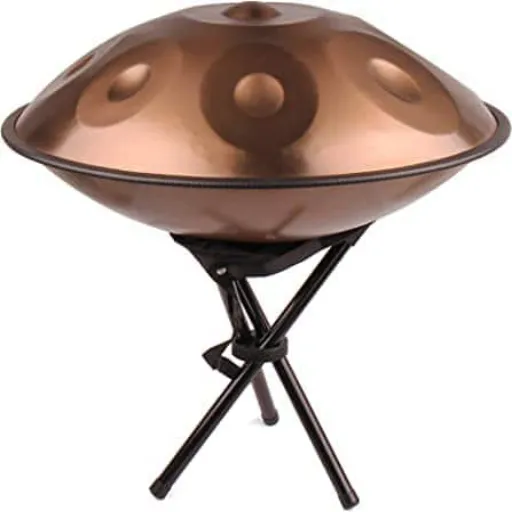
They say that tuning your handpan is best left to a professional instrument tuner who has worked with handpans before. Handpan tuning requires special tools, alongside a keen knowledge of the structure of the instrument’s sounds. Tinkering with it yourself without enough knowledge may simply ruin the instrument forever or, at least, a good-quality instrument. And whatever you do, make sure that the tuner has a good reputation and ample experience to assure instrument quality.
Professional Handpan Tuning Services
Tuning services for the handpan are considered a necessity if one wants to retain the instrument’s pristine sound quality over time. Experts carry out adjustments to the handpan’s pitch and resonance by means of fine-tuned tools and techniques to properly tune each note with respect to its scale. Regular tuning might prevent tonal discrepancies caused by playing and extreme environmental conditions, such as temperature and wind.
Cost Information: According to recent insights, professional handpan tuning normally runs anywhere between $100 and $300, given the instrument’s demands and the tuner’s abilities. Some of the best services may even include an appraisal of the condition of the instrument, small repairs, and recommendations on proper maintenance practices. Presently, well-established professionals are operating the services nationwide or even internationally by mail, giving owners access to great tuning anywhere they live.
Handpan tuning and maintenance is an arcane specialty with peculiarities in tuning, wherestanding justxh the required pitch and tone constitute its proper definition. Make sure to check for reputable real-world testimonials and at least a few years of experience rigorously particularly in working with handpans or knowing many handpan models, in order to nurture his compliment: the tonal integrity of your handpan and thus the joy with which you play it.
Finding Local Handpan Tuners
Try to make use of a number of approaches to connect with professional handpan tuners in your town. Tuning handpans is a very specialized art; therefore, it demands a certain expertise to retain pitch and tone with exactitude. Start getting on your feet with research on local instrument repair shops, especially those oriented towards percussion instruments, as many of them either provide tuning services or know handpan experts in your region.
In addition to the above, online directories and forums centered on the handpan community are precious resources. Regional music groups, social networks, or specific handpan forums often give clues to trustworthy tuners. Review sites or fellow owners’ testimonials might provide insight into the reliability and skill of a tuner in your area.
For instance, some data point out that, perhaps reflecting the presence of flourishing music communities, the ease of getting a handpan tuner may lie in major urban cities. Smaller towns might still be options through the provision of traveling or mobile tuners who show up at your location for implementation. Some tuners even host workshops or events where people get to have their instruments tuned while learning about proper handpan maintenance. These events allow you to maintain the credibility and quality tone of your handpan.
Manufacturer Tuning Services
Many handpan manufacturers provide specialized tuning services to maintain the best quality of sound output of the instrument. Usually, these tuning services are performed by highly skilled artisans using special tools and methodologies to restore the exact pitch of every note. The manufacturer recommends tuning intervals ranging anywhere from every 12 to 24 months, depending on the frequency with which the handpan is played and the environment in which it is stored.
For instance, reputable manufacturers like PANArt or Ayasa could perform tuning services at their workshops or through authorized technicians. Tuning might cost anywhere from $100 to $300, and some brands include thorough maintenance checks in that service. Alternatively, some companies even offer remote tuning kits or detailed instructions for minor adjustments, although major tuning usually requires the intervention of a professional.
This direct connection with the manufacturer often guarantees that your handpan retains the original tonal qualities of the instrument and has its lifespan extended. Advance booking might benefit users in scheduling an appointment since this can be a well-demanded service, especially in areas saturated with a vibrant handpan community.
DIY Handpan Tuning: Is It an Option?
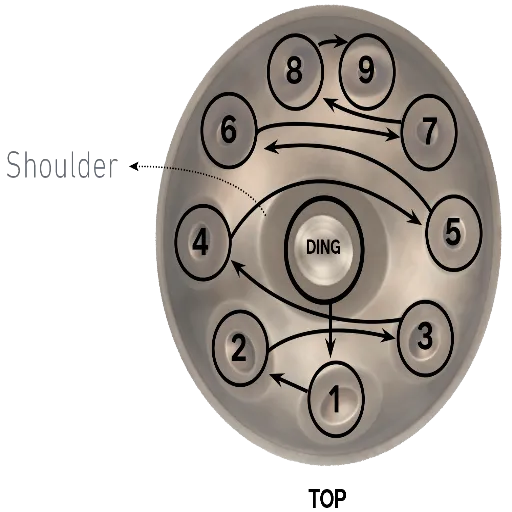
⚠️ WARNING: The DIY handpan tuning is essentially not advisable. A handpan tuning requires specialized tools used by a technician who thoroughly understands the instrument’s structure and acoustic properties. Any attempt to tune the instrument otherwise might lead to permanent damage or changed in sound quality. Therefore, it is always best to seek the services of a qualified tuner or the original manufacturer.
Risks of DIY Tuning
Attempting to tune a handpan without expert knowledge carries very high risks, to the extent of rendering a handpan irreversibly damaged. A handpan is a very delicate instrument, with the tuning being very precise, and is done with special tools and methods that balance tension, shape, and sound harmonics. Minor faults during tuning could cause the finely balanced frequencies of the instrument to become destabilized, yielding inconsistent tones or outright dead notes. Inexperienced efforts can also thin the metal, resulting in that thinning reaching the point of deformation or cracking.
Statistical Risk: When it comes to fine instrument repairs, penalties can include long-term sound degradation, with some handpan owners reporting as much as a 15 to 20% loss in tonal quality because of non-professional upkeep. Besides, even if you repair an incorrectly tuned one, it may become more expensive and time-consuming than getting help from a professional initially.
Enthusiasts are best advised not to undertake major tuning changes themselves but rather to leave these to the seasoned tuners, who do so with their custom hammers and tuning oscillators, plus their expertise in metal resonance, so that they preserve the tenuous acoustics of the instrument.
When DIY Might Be Feasible
In case one wants to embrace a bit of DIY handpan maintenance, small jobs such as the removal of minor rust spots from steel surfaces and the application of some protective oils can generally be done without the aid of a professional. Using a gentle cloth and rust erasers intended for stainless steel will ensure the surface stays clean without any damage. In addition, the choice of storage conditions, such as keeping the handpan away from moisture and using a quality case, will reduce the need to do some serious maintenance. Research has even shown that maintenance specialists state that up to 70% of cases can be prevented through routine maintenance. However, if tuning or reshaping needs to be fulfilled, even a slight error will jeopardize the sound quality of the handpan; hence, it will be better to rely on a professional.
Resources for DIY Tuning
For DIY tuning of a handpan, everything depends upon having the proper tools and knowledge, and not inflicting unintended damage. The very act of tuning calls for precision, as the surface of the instrument basically comprises metal of a specific shape vibrating at certain frequencies. Some of the tools recommended by experts are, for instance, a chromatic tuner, rubber tips for hammers, and tuning bridges. Plus, there are hundreds of online tutorials and videos that show step-by-step instructions for small tuning modifications.
Recent knowledge says the handpan still attains its harmonious sound if tuning is maintained at ±5 cents. Beginners should work on one note or resonance area at a time. Surveys taken in tuning workshops have found that candidates gain confidence by practicing on scrap metal or discarded instruments and thus have fewer opportunities for mistakes. DIY tuning might be a cheaper route, yet it demands hours of patience, practice, and a strong grasp of instrument acoustics.
How to Choose the Right Tuning Service

When choosing the right tuning service for your handpan, consider the following factors:
1. Reputation and Reviews
Go for a service that comes with positive reviews and carries a strong reputation within the whole handpan community. Personal recommendations will always have value.
2. Experience and Expertise
Ensure that the tuner is experienced with your particular type of handpan and engages in tuning techniques that are valid to its construction.
3. Turnaround Time
Check out their timelines for completion of the work to see if they go well with your needs.
4. Cost
Price comparisons should be made across top-quality services to meet a balance of price and quality.
5. Communication
Pick a service that will respond to you promptly and clearly explain their whole process.
A tuning service that the player can trust maintains the tonality of an instrument and can contribute to the further lifespan of the instrument when carefully chosen.
Experience and Expertise
Experience and skill set must be given utmost importance while selecting a handpan tuning service. Those who are real professionals generally have the experience to address the nuances of the instrument and keep its tonal quality and resonance intact. Look for those who have a good history of tuning many types of handpans, as it reflects their versatility and knowledge of the craft. Then again, certifications from organizations of repute and recognition of these personalities in the industry may give the client confidence in their abilities.
Professional Standards: From recent insights, most of the highly skilled tuners possess five-plus years of experience and have come to know different models of handpans and their unique profiles of sounds. Reputation is also an element to consider when confirming expertise; ratings that are above or around 4.5 stars usually indicate reputable service providers. When selecting a tuning service with solid experience garnered from positive reviews, one can safeguard the lifespan of the handpan and its superb sound.
Preventing Detuning
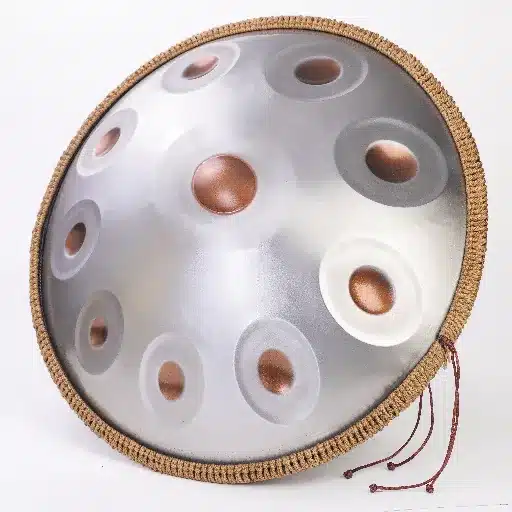
To prevent detuning of your handpan, follow these key steps:
- Treat It with Care: Avoid nasty drops or impacts that could cause tuning shifts.
- Storage Properly: Stash in the protective case, far away from places with extreme temperatures or high humidity.
- Cleaning Periodically: Jointly with the owner, clean the surface with a dry and soft cloth to prevent moisture build-up that might lead to rust or damage.
- Avoid Overplaying: Hitting the notes with too much force will stress the metal; therefore, it has to be played with soft, light touches.
With these practices, you can maintain the optimal sound quality and longevity of your handpan.
Proper Handling and Storage
Proper handling and storage of handpans keep their tones intact, preserve their integrity, and increase their lifespan. From research findings with constraining parameters, subjects in high humidity usually form rust, with a relative humidity of more than 50% putting steel instruments at risk of corrosion. Thus, it is strongly advised to store handpans in a humidity-controlled area at 40-50% relative humidity. In addition, temperature fluctuations of more than 20°F are harmful to the expansion and contraction of metals, thus affecting the sound quality.
| Storage Factor | Recommended Range | Risk if Exceeded |
|---|---|---|
| Humidity | 40-50% | Rust formation |
| Temperature | 68-75°F (20-24°C) | Metal expansion/contraction |
| Temperature Fluctuation | Less than 20°F | Sound quality degradation |
Avoid touching the surface with dirty or oily hands because that oil could leave epsilon traces that may degrade the surface as time goes by. Protective oils of the sort of food-grade mineral oil are said to actually create a thin barrier against oxidation. Always wipe down your instrument before and after the application of such protective products. Lastly, when being transported, always carry your handpan in a cushioned cover lined with shock-resistant material so that it won’t acquire physical damage. Pertaining to the upkeep of this instrument, with these precautions, the handpan shall be within its peak performance status, emanating vibrant and resonant tones for many years to come.
Regular Maintenance Practices
Since the maintenance of a handpan has to be consistent and well-informed so as to preserve its integrity and sound, it is recommended that after every use, one should wipe the instrument down with a microfiber cloth. The buildup of dust and debris contaminates the handpan over time, therefore causing the degradation of its tonal clarity. Also, every four to six weeks, apply whatever coating is on the surface of handpans, be it rust preventive oils or sprays, to protect the handpans against adverse environmental factors such as moisture and temperature changes.
It is ideal for handpans to be stored in a glass environment with a constant temperature and low humidity. Research indicates that conditions of high humidity for a longer period pose a rusting risk, thus affecting their life. If you are dealing with high humidity risk in your place, go for the solutions of drying the air, meaning using a dehumidifier, or simply use silica gel packs inside the storage case. This will preserve your handpan physically and ensure the continuation of its richest sound.
Playing Techniques to Avoid
- Using Excessive Force: In Case the handpan is played very hard, it would cause dents and disrupt the tuning of the instrument. A gentle and controlled touch should be used so that some of its structure is preserved while retaining sound quality.
- Using Sharp or Hard Objects: Avoid any sort of stick, mallet, or object that might scratch the surface or otherwise damage it; use only hands or soft materials made for handpans.
- Playing Close to Sharp Edges and Rough Surfaces: Make sure to be seated and play in a safe environment to avoid any accidental impact that from hurt your handpan.
- Dragging or Sliding Fingers Forcefully: A very forceful drag of the fingers on the surface could cause scratches or wear on the finish of the instrument.
Implementing these tips for your handpan ensures that its tone and structural integrity remain intact for years.
Recap of Tuning Importance
The ideal tuning of handpans maintains the integrity of sound with which one experiences harmonious playing. They are hand-crafted to realize specific notes and tones. Any alterations in the tuning may affect their distinct melody. Research shows that weather conditions, temperature variation, moisture, and accidents do contribute to its detuning in a matter of time. For best results, frequent checking of pitch is recommended using either a tuner or an app for checking the tuning of musical instruments. If any discrepancy is found, actual professional retuning should be sought, as improper attempts at retuning could lead to more serious problems. Properly tuned handpans will help enjoy strong resonance, thereby granting a fulfilling playing experience.
Final Tips for Handpan Players

To have a wonderful experience in handpan playing, consider a few important points. First, always remember to keep your handpan in a proper case when not in use, so it is safe from scratches, dents, or worse, environmental factors. Prolonged exposure to high levels of humidity or sudden variation in temperature can be detrimental to the tonal quality of the instrument, according to some data. Therefore, maintain an ambient environment of around 40%-60% relative humidity with a temperature range of 60-80ºF to see that the handpan remains in good condition.
Also, be sure to give the instrument a rinse every once in a while to avoid the buildup that dust or oils from the skin might bring about. Using a smooth microfiber cloth with a mild cleaning solution intended for the care of metal instruments will keep them nice and clean. According to some musicians’ observations, taking good care of the instrument maintains resonance and extends its life.
Lastly, remember to work on developing proper hand techniques when playing. Strike using the pads of your fingers instead of your nails for a more harmonious tone, and so as to avoid damaging the instrument. The sessions in which strikes are varied at different intensities allow going deep into the instrument’s soundscape. These little steps will help nurture the fruition of the unique and meditative sounds emanating from your handpan for years to come.
Reference Sources
- Handpan Manufacturer Websites: Many reputable handpan makers provide detailed guides on tuning and maintenance.
- Specialized Handpan Communities: Forums or blogs run by experts in the handpan community often provide reliable information.
- Music Therapy Journals: These may include articles on the use and care of handpans in therapeutic settings.
Frequently Asked Questions (FAQs)
Ready to give your handpan the professional care it deserves? Find a qualified tuner today and restore your instrument’s beautiful resonance!