Buying a handpan can make one super excited while the plethora of options accessed online might prove too much to bear. Whether you’re a former beginner vying to see and explore the charming tunes of a totally unusual instrument, or an experienced person who’d be adding to their collection, it’s crucial to find a legitimate source. This guide will walk you through the treacherous hunt for handpan buyers online, giving you few pointers on which sellers to trust, what to look for, and how to make sure you have a suitable purchase. With the knowledge we impart, you can confidently open the door to the handpan’s melodic beauty.
Understanding Handpans

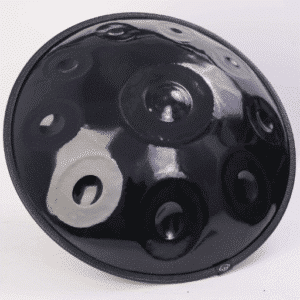
Steel handpans: musical instruments designed to caress the ears with smooth, melodic tones. The handpan consists of a primary note situated in the center called ‘ding,’ which is circumferentially surrounded by equally tuned notes. Played by hand, these instruments produce rich sound qualities, which can be both calming and expressive. Originating in the early 2000s, they are renowned worldwide for their distinctive tone and versatility in various musical genres.
What is a Handpan?
The handpan, fashioned by hand from steel, is a percussion device similar to the steel drum, but with an inverted shape. When played by hand or merely rattled with fingertips, these beautiful sounds are produced.
The Difference Between Handpan and Hang Drum
Types of Handpans: 9 Note vs 13 Note
When choosing a handpan, the note number plays a crucial role in the decision. These two options stand in contrast to one another in terms of range, playability, and suitability for different styles of music.
9-Note Handpan
Usually, the 9-note would exhibit a center note (called ding) surrounded by eight almost-circle-shaped tone fields in a balanced layout; this simple layout makes for a good instrument for beginners. More importantly, the 9-note handpan would usually carry the standard scale and be easy to accompany with melodies to avoid intimidating the player. Being compact, lightweight, and portable, it is excellent for outdoor usage or just casual playing. The only limitation is in range compared to bigger models, yet the 9-note handpan is an endless avenue for creation during meditative or minimalist compositions.
13-Note Handpan
The 13-note, on the other hand, has an extended note range with its central ding surrounded by 12 tone fields. This larger layout is well suited for exploring grand expressions of music; that is, dynamic chords and highly technical melodies. Having more notes naturally expands the musical styles and genres of the instrument, rendering it versatile for experienced musicians. But the 13-note would make an excellent choice for beginners, who find it difficult due to complexity, and being bigger and heavier might affect portability; for the maestro, it is an unmatched richness of sound and unlimited scope for creativity.
Choosing Between Handpans
Your skill, aspirations, and practicality would dominate the choice between the nine and 13. Those who are beginning and want something slightly lightweight and simple would mainly opt for the nine-note side, whereas those who are skilled and looking for a more ornate and versatile palette to perform on would choose the 13-note option. Prices usually increase as the number of notes increases due to the complexity of handcrafting.
Both 9- and 13-note handpans emit marvelous tones and are worthy to be embraced by the musical possibilities; it’s all about what suits one’s taste and musical trend.
Finding Quality Handpans for Sale

If you want to purchase quality handpans, first consider manufacturers and established sellers with a good reputation. Trustworthy brands develop a strong reputation, as evidenced by numerous positive reviews from both beginners and professionals. Try to seek out sellers with websites or shops that provide explicit details about handpan tuning, materials, and craftsmanship. You may also consider attending handpan festivals or workshops that allow you access to instruments for testing. Pricing that appears too low might mean compromised quality. Always prefer sellers who provide a return policy or warranty for your peace of mind.
Trusted Handpan Shops Online
When searching for trusted online shops to purchase handpans, it’s essential to prioritize those with an excellent reputation and verified customer reviews. Here are some highly reputed handpan centers known for quality and workmanship.
Panart Hang Manufacturing Ltd.
From the makers of the first official handpan, Panart crafts world-class instruments from Switzerland. It is one of the most renowned handpans in the world, famous for its exquisite sound and exceptional longevity. Thus, skimping on price would be an error; in light of the high-quality craftsmanship and esteem that the instrument commands, it is undoubtedly a worthy purchase.
Handpan Shop (handpanshop.com)
A large variety of handpans are available in this store for all levels, from beginners to professionals. It provides detailed information about the tuning scales, materials, and manufacturing processes. It also considers user reviews for buyers to make informed decisions. The prices usually start at an estimated $800 and go through the premium range.
Hardcase Technologies (hardcasetechnologies.com)
They’re primarily focused on handpan cases, but also offer a limited selection of high-quality handpans. If you travel a lot, you will cherish their complex cases with all your heart!
Sarab Handpans (sarabhandpans.com)
A very popular manufacturer based in the UK, Sarab Handpans is known for its customizable instruments and excellent acoustic design. Their store provides a clear explanation of the tuning offered and marketing instruments around $1,000 to $3,000.
Symphonic Steel (symphonic-steel.com)
A U.S.-based store with the intention of pricing their handpans accessibly for beginners without hurting sound quality. Symphonic Steel offers standard models, as well as custom options.
Vox Handpans (voxhandpan.com)
Vox Handpans stand out in studios for their artistic designs and resonant sounds. They manage to cast their own hallmarks, visually and sonically. Vox Handpans are found at festivals worldwide, played by famous musicians.
Important Things to Be Considered When Buying from an Online Store
- Shipping and Delivery Options: The shop should offer secure shipping with tracking codes and provide a warranty against losses related to transit.
- Return Policy and Warranty: Always check if the seller offers a trial period or provides guarantees against defects in workmanship.
- Customer Service: Look for a shop that responds to your inquiries promptly and assists you in selecting the right instrument for your needs.
Investing with a reputable dealer significantly increases the likelihood of ensuring that your handpan investment possesses all the qualities you are seeking. Better still, always conduct your own investigation and check reviews before making a purchase.
Evaluating Handpan Makers and Their Craftsmanship
When it comes to choosing among handpan makers, the emphasis should be on workmanship, reputation, and the quality of the instruments. Handpans, being niche instruments, require skill, precision, and a thorough understanding of acoustics. Below happens to be a handful of the most famous five makers, each with paid attention to detail in their handpan making:
PanArt Hang (Switzerland)
Maker of the original Hang, PanArt has been widely credited as the creator of the modern handpan. Their instruments are known by a warmer tone and cutting-edge design.
Key details: Highly skilled workmanship with a lean towards experimental acoustics. PanArt handpans are in limited availability, hence highly sought after.
Halo by Pantheon Steel (United States)
Pantheon Steel’s Halo has been said to have an unusual design, cloaked in the deep, resonant resonances. They are among the most recognized and respected handpan makers in the world.
Key Details: Have maintained their reputation for consistent quality and customer-oriented approach, although demand may hamper availability.
Ayasa Handpans (India)
Ayasa has made a reputable name for itself among the handpan community with instruments that straddle artistic and engineering qualities.
Key Details: The instruments are tuned to produce clear and harmonious tones, and there are custom tuning provisions to suit the player.
Yishama Handpans (Israel)
Yishama Handpans are renowned worldwide for their elaborate and beautiful deep soundscapes, with tempered care in every piece that reflects the artisan’s passionate and loving approach to craft.
Key Details: Generally custom instruments with a significant emphasis on durability and aesthetic appeal.
Echo Sound Sculptures (Germany)
Echo Sound Sculptures craft handpans that are lauded for the ability to work in any style and tonal clarity. The instruments are often equipped with features borne of innovative design.
Key Details: Extreme precision in tuning and conscious about sustainability in the production process.
Having thoroughly analyzed these makers, the buyer will feel confident in making an informed choice when purchasing a handpan. Look for tonal balance, stability of tuning, and quality of materials, among other things, so your instrument will meet your expectations.
Features to Look for in a Quality Handpan
When choosing a handpan, several key features and considerations will help ensure you invest in a quality instrument that meets your musical and personal needs. Below is an overview of essential features to consider and the current insights and trends into the handpan market:
An excellent handpan maintains proper tuning stability, preserving its tone over time, even with regular use. The instrument should be purchased from reliable manufacturers who use advanced tuning procedures, such as double-shell construction or heat-treated steel, all of which ensure lasting harmony. Recent data suggest that handpans with nitrided stainless steel have an edge in resisting environmental variable factors such as humidity and temperature changes.
The handpan is typically made from nitrided steel or stainless steel in most cases. While nitrided steel produces a warmer tone, stainless steel produces much brighter, more resonant sounds and resists corrosion better. According to recent market reviews, stainless steel handpans have become increasingly popular due to their robust nature in various climatic conditions, making them a safe purchase for musicians worldwide.
Among the various scales and tunings for handpans are D minor, Celtic scale, and integral scale. This term is used for handpans with a broader range of notes (generally 7 to 9 within the central dome) that enable greater expression in creativity. Trends from recent years suggest that D minor is still among the most sought-after tones for beginners and pros alike, as it produces a more balanced, meditative sound.
How well-crafted and designed a handpan is greatly influenced by the level of resonance and sound projection it can give. Handpans, which artisans have meticulously worked on through hammering and shaping, produce cleaner tones with less overtone. Contemporary manufacturers utilize CNC machines to ensure a superior quality finish and consistency in sound production.
With growing environmental awareness, many handpan makers have adopted sustainability initiatives, such as sourcing eco-friendly materials and reducing waste in production. Supporting these makers encourages responsible manufacturing and guarantees that you will be the proud holder of an instrument crafted with care and integrity.
Handpans are a significant investment: the truly professional models range in price from $1,500 to $3,000. Recently, slightly more budget-friendly, beginner-level handpans are emerging on the market for hobbyists, selling for an average price between $600 and $1,000. Ensure you research and compare reviews to get an idea of whether the instrument is worth its price.
By keeping these features in mind, you can be sure to choose a handpan that delivers the fine sound quality needed for your artistic vision and is an instrument that will stand the test of time in your musical journey.
Buying Tips for Beginners

- Set a Budget: Determine the price you are willing to pay before you begin your search. Beginner instruments typically range from $600 to $1,000.
- Research the Brands: Look for well-known manufacturers and reputable sellers whose products have received good reviews to ensure credibility and quality.
- Try It: If possible, go and try the handpan in person to check its feel and sound. Otherwise, get sound samples for online purchasing.
- Think About the Scale: Get a scale that suits the music that you would like to play, as it significantly affects the tone and mood of an instrument.
- Check Return Policies: Make sure the seller has a return policy in case the instrument will not meet your expectations.
Following these tips will enable you to make an informed decision when selecting an instrument that is perfect for starting your musical journey.
Choosing the Right Handpan: Minor vs C Major
Understanding Tunings: Kurd and Hijaz
Generally, handpan tunings are responsible for creating a particular emotion and adding expressiveness to the music. The most widely popular tunings are the Kurd and Hijaz scales. Each of these tunings imparts a particular character and versatility to the handpan. Further below is a detailed explanation of these tunings and a list of their variations:
Kurd Tuning
The Kurd tuning is essentially a pentatonic-minor scale, giving it a soothing, meditative, and melancholy aura. It is considered perhaps the most versatile tuning and one that can be worked with by beginners and professionals alike. This tuning lends itself to very expressive, deeply emotional pieces.
Some variations of the Kurd scale include:
- D Kurd (D minor scale)
- C Kurd
- G Kurd
- A Kurd
- F Kurd
Hijaz Tuning
The Hijaz tuning with the harmonic minor scalic structure gives an exotic, Middle Eastern atmosphere to the tunes. It is immensely bold, dramatic, and expressive, and composers use it while setting tunes for the most intense, deeply felt emotions.
Some variations of the Hijaz scale include:
- D Hijaz
- C Hijaz
- E Hijaz
- G Hijaz
- F Hijaz
Both tunings have an unlimited potential in creating unique and expressive musical compositions. If you are caught between the two, the mood and tone you want your music to convey will surely set you free.
Essential Accessories: Handpan Bags and Stands
Choice of accessories to protect your handpan and enhance your playing experience. Handpan bags protect the instrument from damage during transport. Stands are for comfort and stability during performances or practice. The list below reflects in detail the significant and necessary handpan bags and stands, along with their features and benefits:
Padded Handpan Travel Bag
- Heavy-duty padding guarantees superior protection while in transit
- Adjustable straps and handles for carrying convenience
- Many bags nowadays tend to be made for different handpan sizes
Hard-shell Handpan Case
- Does its magic by acting as a rigid outer shell against impact
- Lightweight, yet fairly durable
- The outer shell is typically lined with a soft, plush material to prevent scratches.
Lightweight Handpan Backpack
- Compact, ergonomic design with easy portability
- Ideal for casual walking or an outdoor practice session
- Additional compartments for accessory storage, such as mallets or cleaning tools
Adjustable Handpan Stand
- It adjusts the height and angle for the best playing position
- Makes playing gigs easy as it is usually foldable
Collapsible Handpan Table
- Gives a flat and stable surface for playing and recording
- Lightweight and easy to set up and pack
- Often, it may fit a few sizes of handpan
These accessories certainly help maintain the condition of your instrument and also enhance your playing experience. When choosing what’s best for you and your handpan, think about your personal needs and preferences.
Shipping and Care for Your Handpan

Proper shipping and care will keep your handpan in the finest possible condition. When shipping, always ensure that you use a sturdy and well-lined case to protect it against damage during transit. Extra padding can be added to the case to limit movement. A reputable shipping provider that is experienced in handling fragile goods should always be chosen.
For everyday use, keep your handpan in a dry environment with controlled temperature to keep it from rusting or warping. Clean it periodically with a microfiber cloth, wiping away dust and fingerprints. Use a small amount of oil whenever surface protection is required. When not in use, keep the instrument in a padded bag or its case to prevent unwanted scratches or dents. This way, you maintain the quality and life span of your handpan.
Worldwide Shipping Options for Handpans
To ensure that your handpan arrives safely and sound, we offer shipping options worldwide. Our officials carefully pack each instrument, taking into account the possibility of damage during transit, and cooperate with trustworthy courier services that provide tracking information for timely delivery. Additional freight costs and delivery times may vary on your end, but please do not hesitate to contact us at any time should you have any questions or concerns.
How to Properly Care for Your Handpan
Proper care of your handpan helps maintain its longevity, enhances its great acoustics, and preserves its appearance. Five essential tips can help preserve your instrument and keep it in the best condition:
1. Clean Your Handpan Regularly
Always wipe down your handpan after each use. Oil, sweat, and dirt build up quickly on instruments, causing corrosion. A clean instrument maintains its protective finish.
2. Apply Protective Oil
Light oil application, like that of frog lube or coconut oil, is recommended every two to four weeks to protect the handpan from moisture and rust.
3. Keep in a Dry Place
Always store your handpan in a cool, dry environment to prevent exposure to humidity and extreme temperatures that may cause damage to the metal over time.
4. Avoid Sharp Items
Keep sharp or hard objects away from your handpan to avoid scratches and dents. Use a padded case to transport your instrument.
5. Play with Clean Hands
Your handpan should be played only when your hands are clean and dry. This helps minimize the accumulation of oils and dirt on the surface, which in turn is beneficial for sound quality.
By applying these tips, your handpan will remain in good condition, allowing you to enjoy its soft, melodic tones for many years.
Using Handpan Oil and Maintenance Tips
Proper maintenance is essential for keeping your handpan in pristine condition and ensuring its long-term life. The care involves applying oil to the handpan and following specific directions. Here are five detailed tips for maintenance:
Use only oils designed explicitly for handpans, as they are intended to protect the metal surface. Either synthetic or natural types of high quality are accepted. Examples of natural or synthetic oils are Phoenix Oil or Froglube. Do not use oil meant for general purposes due to the attraction of residues or dirt.
Apply a thin coat of oil to your handpan every 1-3 months, depending on the frequency of playing and environmental conditions. If you live in a very humid or coastal area, apply it more often to prevent rust.
Use a dry, lint-free cloth when cleaning the handpan to remove any dust, dirt, or remnants of old oil before applying fresh deodorant. This will help the new layer adhere more effectively while maintaining a smooth surface.
While oiling is essential, a significant problem is that excessive oil can cause the surface to become sticky or greasy, interfering with the tone and playability of the handpan. Always apply just a light coat of oil and rub it evenly with a soft cloth.
Keep your handpan in a dry, cool place after oiling. High humidity or direct sunlight can degrade the oil’s protective characteristics and potentially harm the material.
Following these maintenance rules can considerably prolong the life of your handpan and maintain its magical sound.
Community and Resources for Handpan Players

Numerous communities and supporting resources are available for handpan players. There are online forums, such as Handpan.org and Facebook groups like Handpan Collaborative, where people connect, share their playing techniques, and pose questions. For online learning, sites such as MasterTheHandpan.com offer courses for all skill levels. Further networking opportunities in the community can be found by attending handpan meets or festivals such as HangOut UK. These resources are great for stimulating creativity and fostering connections within the handpan world.
Connecting with Other Handpan Enthusiasts
The opportunity to meet other handpan players has given me excitement and fulfillment. I have found online forums and social media groups to be great ways to meet like-minded people to share ideas and ask questions. Other potential avenues include handpan festivals and meet-ups, where one can meet other players and learn from their skills, such as the HangOut UK festival. These interactions have not only helped me improve my skills but also deepened my appreciation for the handpan community.
Online Resources for Learning and Playing
The internet is a vast repository of resources for any handpan player, whether a beginner or an experienced one. Some of the trending platforms and tools for working on your technical skills and knowledge include:
YouTube Tutorials
YouTube is an excellent platform for learning handpan techniques or refreshing one’s memory about new compositions. Channels like David Charrier, Yatao Music, and the official Sam Maher channel give detailed tutorials, performance videos, and inspiration for players of all levels.
Dedicated Handpan Learning Platforms
Websites such as MasterTheHandpan.com offer structured courses tailored to different skill levels. A few reviews on Trustpilot show that users appreciated the straightforward, engaging content backed by expert guidance.
Social Media Groups and Forums
Facebook communities, such as Handpan Community United or Handpan and Pantam Players, are great for socializing with others, sharing progress, or discussing maintenance tips. These groups also share news about upcoming festivals, workshops, and new handpan makers.
Mobile Interactive Apps
Apps like Handpan Simulator and HandpanEasy allow practice on a virtual instrument and interactive lessons. The demand for these courses has grown significantly, with thousands of downloads on both Google Play and the Apple App Store.
Online Sheet Music Libraries
These resources are for anyone seeking compositions for the handpan. Libraries such as the Handpan Notation Project provide sheet music and tablatures, many of which are sourced from contributions made by the players worldwide.
Virtual Workshops and Live Streaming
With platforms like Zoom and Twitch emerging as popular options for live streaming, professional handpan players are now hosting virtual workshops that offer real-time interaction and feedback. This removes geographic barriers and includes participants from all over the world.
Each of these resources provides invaluable support for anyone seeking to learn about handpan music. If you add some practicing and membership in some online communities to the equation, then being a musician will be well-balanced and satisfying.
Exploring Various Handpan Genres and Styles
The handpan, a very versatile instrument, allows performing artists to express themselves in numerous styles and genres. Here are five major genres and styles in which handpan thrives:
Ambient Music
For ambient music, the calming and airy tones of the handpan are a perfect fit. This style creates a kind of ambiance, with flowing melodies usually sustained to induce a feeling of relaxation and introspection.
World Music
Because of its background and incredible tonal features, the handpan finds its way in world music. It blends well with the traditional instruments of several cultures, affording depth and balance to varied types of compositions.
Meditative and Healing
Because of its calming vibes, the handpan is often put to use in meditation and sound healing. The music involves slowly building repetitive patterns, which promotes mental freedom and the capacity for emotional release.
Percussive Rhythms
Its origin as a percussion instrument gets showcased here, placing it in rhythmically intricate patterns. This style features forceful beats and a lot of syncopation, making it ideal for those who prefer lively settings.
Fusion and Modern Styles
Contemporary musicians are incorporating the handpan into modern music genres, including jazz, electronic, and even pop. It can provide a genial counterpoint or unite perfectly with these new styles of music.
Engaging with the above styles can enhance the player’s perspective and provide a suitable platform for demonstrating the handpan’s ability to adapt to various music genres.
References
- The History, Development, and Global Dissemination of the Hang/Handpan
This thesis examines the history and global dissemination of the handpan, offering a scholarly perspective on its cultural and musical significance.
Read the thesis here. - Analysis and Resynthesis of the Handpan Sound
This academic paper explores the acoustic properties and sound analysis of handpans, providing technical insights into their design and sound production.
Access the paper here. - A Portfolio of Compositions Developing Notational and Compositional Techniques in Neo-Liturgical Music, Including Handpan
This dissertation examines the utilization of handpans in neo-liturgical music and their increasing popularity among musicians and enthusiasts.
View the dissertation her.e
Frequently Asked Questions (FAQ)
Where Can You Shop for Handpans Online?
The online marketplace features several instrument stores from which one may procure a handpan. On Amazon, veritable online handpan shops and handpan artisans provide handpans of almost every type that are of great quality, with varying income scales and materials ranging from nitrided steel to stainless steel.
What is a Handpan Drum?
Handpan drums are unique percussion instruments played with the hands, creating beautiful melodies. They are generally convex in shape, dotted with tone fields that carry several notes. This leads to a broader assortment of notes being generated. Major handpans are primarily constructed from stainless or nitrided steel, resulting in an excellent sound.
How to Choose a Handpan That Suits You?
When searching for an ideal instrument, it is essential to consider the number of notes (13-note handpan versus 9-note handpan), the scale (Celtic minor or Amara), and the craftsmanship that goes into its creation. Listening to the sound of different handpans will help you identify the one that ideally meets your needs.
What’s the Price Difference Between Brands in Different Handpans?
Price differences in handpans vary significantly with respect to the brand, manufacturing method, and material. The affordable can start around merely a few hundred, but somewhere there will be a good-quality handpan from reputed brands willing to charge well beyond a thousand dollars. Price must always consider the quality of an instrument.
What Makes a Handpan Unique?
Handpans are a unique musical instrument in terms of their shape and sound production. Each handpan is handcrafted; therefore, every handpan differs in tone as well as resonance. Additionally, tuning plays a crucial role in giving these instruments their distinctive sound, with each handpan scale offering distinct melodic options.
How to Care for a Handpan
Yes, handpans require special care to maintain their sound quality and prevent damage. It is best to use a soft bag or pouch while transporting the instrument and always avoid extreme temperatures and moisture. It is also important to periodically check if the instrument requires any retuning to maintain its beautiful sound.
Are There Handpans for Beginners?
Yes, there are handpans specifically designed for beginners. Several brands offer handpans especially for beginners, which usually have fewer notes and are easier to play. A nice handpan for a beginner might be a 9-note handpan or a steel tongue drum, both of which are great options for newcomers.
What are the Necessary Handpan Accessories?
When purchasing a handpan, consider acquiring the following accessories: a mallet for playing the instrument, a handpan stand for displaying it, and a carrying case to protect it during transportation. These accessories will enhance your play experience and keep the handpan in great shape.
How Does One Join the Handpan Community?
Handpan community membership is accessible by joining online forums, social media groups, and local meetups. It enables fellow handpan players to exchange information on playing techniques, handpan brands, and tips on purchasing high-quality instruments. Another great way to meet fellow handpan enthusiasts is to attend workshops or festivals.
This comprehensive guide provides everything you need to know about purchasing handpans online. From understanding the different types and features to finding reputable sellers and caring for your instrument, you’re now equipped with the knowledge to make an informed decision. Remember to prioritize quality, research sellers thoroughly, and choose an instrument that matches your musical goals and budget. Happy playing!