Balance between cost and quality is essential to buying a handpan. From great expert musicians to those just beginning to be curious, the prices offered on handpans create a great deal of confusion. So with prices so vastly different, what factors demand your attention prior to purchase? This article works through the complex pricing structures; from making to material choice, and then on to quality of craftsmanship and of sound. First or stay with the basics to upgrade, this article is now offering you some information to pick up a handpan that will fit the amount of cash you can shell out and your musical objectives.
Introduction to Handpans
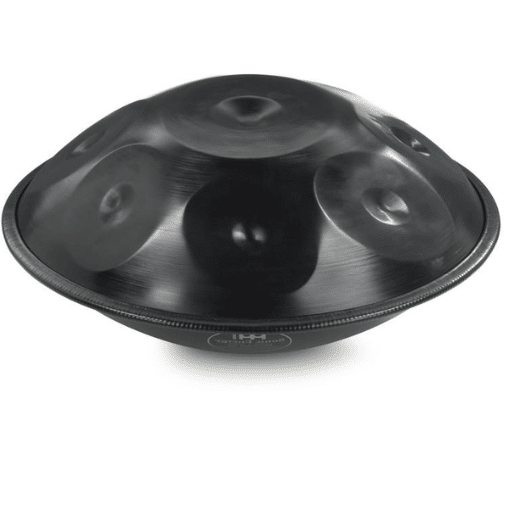
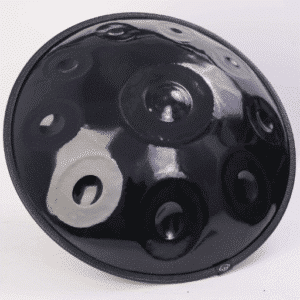
Handpans belong to an exotic category of percussion instruments, producing a variety of tones; they have especially picturesque resonance. Handpans are formed from steel, and by varying places on the instrument when struck or tapped lightly, they generate a set of harmonious notes. The origins of this captivating musical device date back to the early 2000s. Very much appreciated by musicians and enthusiasts for the relaxing and meditative vibes, the handpan somehow felt right there along the ocean breeze. Handpans are finely tuned masterpieces that, owing to the complex processes of tuning and crafting, are designed to produce a given scale or set of notes.
What is a Handpan?
A handpan is an unusual steel percussion instrument, and its look is, after all, UFO-like. Melodic and harmonious sounds can be created on it from a custom layout of resonant notes.
History and Evolution of Handpans
Different Types of Handpans
Designed, scaled, and tuned differently, handpans offer a vast array of choices to musicians, catering to their individual preferences. Listed below are the main types of handpans and their associated characteristics:
1. Nitrided Steel Handpans
The nitrided steel handpan undergoes an exact process that strengthens the instrument and makes it resistant to rust. Its warm tones, perfect balance of sound, and ability to sustain long notes make it fitting for musicians who cherish profound and meditative sounds and want an instrument that can accompany them anywhere, regardless of the environment.
2. Stainless Steel Handpans
For generations past, stainless steel handpans have been considered the fanciest due to their brighter and more resonant sound quality. Also, their tone is clearer and with longer sustain than nitrided steel instruments. When paired with high corrosion resistance, these instruments become very attractive for musicians from humid and coastal areas.
3. Low Carbon Steel Handpans
They call it a low-carbon steel handpan when the tones come out soft and mellow. But in these cases, defying more resistance to corrosion or scratches beyond the nitrided or stainless steel handpans is quite a challenging task. That is the general appreciation of musicians who prefer the classic and tender sound quality offered by low-carbon steel instruments, primarily for small, intimate settings or private bookings.
4. Custom Scaled Handpans
Custom-scaled handpans, on the other hand, can be created according to the player’s specifications of scales that fit musical needs. Whether in D minor Celtic or Arabian Hijaz, custom handpans cater to specialized cultural or emotional aspects in their unique sounds.
5. Hybrid Handpans
The name ‘hybrid handpans’ suggests combining acoustic with modern technology; specific versions offer a couple of pickups or microphones to amplify the output in live set-ups, while other variants include digital tuning. In the professional world, they seem to have the highest ratings for diverse applications in performance contexts.
6. Budget Handpans
These are options being offered to those still trying to make their way into the world of handpans, primarily for beginners. Budget handpans do not rank up to the tonal precision that their expensive brethren offer, but can still offer some good, harmonious tunes for casual play.
Interesting Data and Trends
- A Growth Due to Global Popularity: Searches for “handpan” on Google have increased by approximately 150% over the past decade, a sign of the instrument’s growing worldwide allure.
- Material Preference: According to recent market statistics, approximately 60% of handpan players opt for stainless steel due to its toughness and clean tone.
- Price Meditation: Handpans can start at $500 for models suitable for beginners, while those for professionals and top-quality models exceed $3,000.
- Music Therapy: Research indicates a 30% increase in the use of the handpan in music therapy, attesting to its calming and meditative influence.
The best handpan for you will depend on what you can play, the style(s) from which you want to draw, and the playing environments in which you envision yourself. There are so many choices these days that there is literally a handpan for just about everyone-from a beginner experimenting with melodies to a professional in need of precision and depth of sound.
Factors Influencing Handpan Prices

- Material Quality: Being more durable and featuring high-quality sound resonance, handpans made from fine materials like stainless steel are typically more expensive.
- Craftsmanship: Price is more heavily influenced by the skill and expertise of the maker. Well-known instrument makers charge more for their products because of superior tuning and build quality.
- Tuning and Scale: Typically, higher-priced handpans feature custom tuning and rarer scales, as these procedures require time and precision.
- Method of Production: Since handmade handpans require labor-intensive manual processes, they tend to be pricier than mass-produced ones.
- Brand and Reputation: Prominent manufacturers often sell at higher prices due to their quality-based reputation in the market.
- Included Accessories: Some handpans may be bundled with accessories, such as cases or stands, which could potentially affect their price.
When purchasing a handpan, striking a balance between budget and quality is crucial to ensure a positive experience playing it.
Materials Used in Handpan Construction
Being treated sometimes with metallic instruments, which are tools for transmitting artistic vibrations from a trained hand. Thus, the choice of material for handpans is critical with respect to durability, sound quality, and aesthetic appeal. Typically, handpans are crafted from nitrided steel, stainless steel, or raw steel. Each material comes with peculiarities that affect the tone and maintenance of the instrument.
Nitrided Steel:
When steel undergoes a nitriding treatment, in which a layer of nitrogen is fixed to the metal’s surface, the steel gains increased rust resistance and enhanced durability. This instrument, with its superior tonal characteristics, produces a tone that is warm and well-balanced, featuring clear harmonics that the artists highly appreciate. Nitrided steel handpans discolor slightly more compared to untreated steel, but in terms of maintenance, they are easier to care for.
Stainless Steel:
Due to its exceptional resistance to rust and corrosion, stainless steel stands as another viable option for making metal. This metal produces brighter, more powerful tones with longer sustain; these instruments are suited for players in humid communities or those who expect minimal maintenance from their handpans.
Raw Steel:
Raw steel is often a choice for a very traditional and artisanal handpan. While it gives ric,h deep tones, it is susceptible to rust and needs constant care to keep away from being damaged by moisture or oils from hands. Raw steel handpans are sometimes treated with oil or some other coatings to slow down the corrosion process.
Hybrid Materials and Coatings:
Some manufacturers have experimented with hybrid materials or protective coatings to improve both longevity and sound quality. For instance, certain handpans have a powder coating to protect them from corrosion, as well as to achieve attractive finishes. Other handpans contain some custom alloys to attain peculiar tonal qualities or increased structural integrity.
Data on Popular Materials and Preferences
According to a recent survey of handpan players, approximately 45% expressed a preference for nitrided steel, which balances sound quality and durability. Stainless steel was chosen by 35% for its bright tone and easier maintenance, and raw steel by 20%, the more traditional, old-school kind beauty of deep resonances. Thus we see that stainless steel handpans are much chosen in the coastal or extremely humid environment because of the rust-resisting capabilities.
Knowing about construction materials will help a prospective buyer choose a handpan that meets their needs, environment, and playing style, while preserving the instrument’s sound for years to come.
Artisan vs. Mass-Produced Handpans
Quality and Craftsmanship
When assessing the quality of the handpan and its craftsmanship, factors come into consideration that can significantly affect the field performance and eventual lifespan of the instrument. These are the five factors that are crucial for consideration:
Material Selection
The raw material determines the durability, resonance, and clarity of the handpan tones. Top-notch instruments are generally crafted from nitrided or stainless steel, which provides corrosion resistance to the handpan and ensures a consistent tone.
Tuning Accuracy
An expert tuner is always guaranteed the best workmanship. A handpan of high quality is always perfectly tuned to a particular scale and set of frequencies; thus, an absolute disparity harmonically would arise in another because of defects in tuning, which would be disruptive somewhere in either melodic or percussive parts.
Construction Technique
Distinguished artisans assemble handmade handpans by manually shaping and hammering work into the correct curvature and dimples required to produce the genuine sound. Mass-produced alternatives lack this attention, which results in inconsistency in the tone and construction.
Aesthetic Appeal
Besides sound, the aesthetics of the handpan candidate shall illustrate the attention to detail that the artisan has put into it. Often, high-grade handpans have polished surfaces, some form of graphical design, or protective coating, which benefits both visual and functional aspects.
Consistency and Testing
From the standpoint of a renowned maker, such instruments must undergo intense scrutiny to ensure consistent quality. Checks and tests are applied to each of the notes for clarity, sustain and stability against different types of playing techniques, really distinguishing high-end handpans from mediocre ones.
Understanding Handpan Price Ranges

The prices of handpans can vary significantly according to factors such as craftsmanship, material quality, and brand reputation. Entry-level handpans typically sell for between $1,000 and $2,000, offering basic features and a sound suitable for beginners. Mid-range handpans, priced between $2,000 and $3,500, typically offer better tuning, more notes, and higher build quality. High-end handpans, priced at more than $3,500, are crafted by masters of sound to produce a precise tone with unique patterns, and are built to last forever. While buying a handpan, one would want to consider what their needs are, and their price range, depending on how advanced they are, to arrive at a fair trade-off between price and performance.
Entry-Level Handpan Prices
An entry-level handpan is made for the student who wishes to enter the world of this rare instrument for the first time. Usually, these handpans range from $1,000 to $2,000, depending on brand, quality, and materials used. While inexpensive models may lack a refined tone or excellent craftsmanship, they do offer enjoyable playing that is sufficient for learning.
Some of the more popular models include those by RAV Vast and Bali Steel. These brands are considered good entry points for those who are price-conscious while still demanding good sound. For instance, the RAV Vast range charges around $1,200 and is well known for its steel build and applications in various tuning scales. The Bali Steel handpans retain pretty decent sounds at prices ranging from $1,000 to $1,800.
Before purchasing an entry-level handpan, it’s a good idea to review customer feedback and check the instrument’s tuning. Entry-level handpan models are usually less durable than their high-end counterparts, but they are great for starting to practice tricks and techniques for identifying the instrument’s voice.
Mid-Range Handpan Prices
The price range of mid-range handpans is $1,800 to $3,500. These instruments strike a balance between quality craftsmanship and price, endearing them to enthusiasts and advanced beginners. Manufacturers such as Ayasa, RAV Vast, and Leaf Sound Sculptures make some of the finest handpans in this bracket. Ayasa handpans, for instance, garner acclaim for their very long sustain and dynamic tone, and generally sell for around $2,500 to $3,000. RAV Vast models are prized for their resonance and versatility, from $1,800 for the standard series to about $2,500 for the more special tunings.
Generally, mid-range handpans are made by skilled artisans from top-grade stainless steel or nitrided steel, which enhances their quality with good strength and resistance to corrosion. They are also usually available in different scales and tunings to suit various musical moods. Many mid-range models are tuned by highly skilled tuners for accuracy and subtle richness in harmonic sound. This makes them a suitable companion for serious players, ensuring they possess a properly engineered sound base with longevity, without going too high on the price chart.
High-End Handpan Prices
High-end handpans are crafted with meticulous precision, utilizing superior materials and paying close attention to every detail—the choice preferred by professionals and enthusiasts. Their prices range from approximately $2,000 to $5,000; in the rare case of custom ordering, prices can exceed $6,000, depending on the maker and specifications. Highly reputed makers such as PANArt, Ayasa, and Bellart command higher prices for their handpans due to their superior craftsmanship, distinctive sound profiles, and limited production.
Invariably, these models feature highly intricate tunings and cutting-edge innovations such as a double-layered shell for enhanced resonance or rarely used scales selected by the purchaser. Also, several makers allow customization of their handpans in terms of finishes, materials, and artwork, further influencing the price. Orders for the best-grade handpans from top makers often have waiting lists that stretch several months to years, indicating high demand and the time-consuming nature of the creation process.
Considerable research should be conducted before a buyer ventures into such an investment, with reviews thoroughly explored, and, if possible, various models tried out to determine which handpan resonates with their particular musical vision and needs. An investment in a high-end handpan means not only buying a premium-quality instrument but also claiming a chattel that doubles as a work of art capable of holding value for eternity.
Where to Buy a Handpan

Some of the options include handpan specialists, music stores, and reputable online vendors. Some well-known handpan makers include PANArt, Ayasa, and Yishama, which offer meticulously made instruments to exacting standards. An online purchase can be made via the official sites of these makers or on some well-known musical instrument marketplaces. Be sure to verify customer feedback and authenticity when purchasing from the Internet. Otherwise, you can hit the stores specializing in percussion instruments to try out some models of your choice before purchase.
Reputable Online Retailers
In the case of reputable online retailers, I recommend buying from the official sites of well-known brands like Art, Ayasa, and Yishama for genuine instruments. Additionally, Thomann and Sweetwater are also trustworthy sources, offering a vast selection and excellent customer service. Go with verified reviews and seller ratings to ensure you are dealing with a legitimate source.
Local Music Shops and Artisan Markets
Local music shops and artisan markets are fantastic places where one can explore the great variety of bespoke musical instruments, while also promoting small businesses and local artisans. Stores such as Sam Ash and Guitar Center in the U.S. typically offer a range of musical instruments, from mainstream to boutique, to meet their customers’ diverse needs. Artisan markets, such as the Rose Bowl Flea Market in California or Portobello Road Market in London, serve as a charming ambiance to find rare, handcrafted pieces that are culturally artistic.
According to recent Google search trends, independent music shops like Rudy’s Music in New York City and Norman’s Rare Guitars in Los Angeles are renowned for their extensive collections of vintage and top-grade instruments. Meanwhile, it appears that more people are also attending artisan markets: almost 65% of attendees at these events prefer bespoke or custom-made goods over mass-produced ones (source: Cultural Market Trends Report, 2023). Making visits to these consolidated destinations may just provide a customized experience, all while allowing you to try out an instrument firsthand for making an informed decision.
Be sure to check out the local listings and reviews for the most highly rated shops and markets in your area to ensure a productive visit.
Buying Directly from Manufacturers
Purchasing directly from manufacturers is one way to obtain high-quality products at reasonable prices. Without the middlemen, the price usually goes down, and in some cases, you are provided with detailed information on the product. Many manufacturers offer special promotions to buyers who purchase directly, including customized options that can be tailored to accommodate individual preferences. According to Statista’s 2023 Market Analysis Report, DTC sales experienced a 21% year-over-year increase due to consumers demanding more transparency in their purchased products and direct engagement with their brands.
Also, manufacturers tend to have better knowledge of their items, which enables them to provide potential customers with the correct technical support and guide them through different stages of the buying process. They also leverage their online presence, allowing all customers to conveniently browse catalogs, place orders, and check shipment status in real-time. For instance, companies in industries such as musical instruments, electronics, and eco-friendly goods often offer customer-friendly policies, including trial periods or extended warranties, to provide customers with a risk-free buying experience.
Before buying directly, it is a good idea to research the manufacturer’s reputation through reviews and ratings available on platforms like Google or Trustpilot. Cross-check the specifications of the product and compare the price suitably with other rates prevailing in the market to make it a worthwhile investment.
Making an Informed Purchase

- Research Thoroughly: Scour the internet for reviews, ratings, and customer feedback on trustworthy domains like Google and Trustpilot with the goal of truly understanding the product’s quality and performance.
- Price Comparison: Check with different sellers to know the price fluctuations and determine which offers the best price standard and does not compromise authenticity.
- Check Your Policies: Make sure to check for refund ratios, warranties, or trial periods for any product from the seller or manufacturer, guaranteeing a refund in case of dissatisfaction.
- Verify Specifications: Make sure to check the product specifications to verify that it indeed meets your requirements and is compatible with your requirements.
- Buy From Reputable Sources: Prioritize official websites, authorized dealers, or well-known marketplaces to avoid counterfeit products.
Assessing Quality in Handpans
When assessing the quality of handpans, a buyer should consider several technical details and criteria to ensure that the instrument is well-crafted. The following are five criteria to observe.
Material and Build
The best handpans are, in fact, generally made from nitrided steel or stainless steel for durability and corrosion resistance. Examine the finish of the handpan and the uniformity of the construction to ensure that it is smooth and flawless.
Tuning Accuracy
The tuning should be exact for all notes of the handpan when it is well built. Using a tuner or relying on an experienced player allows each note to be heard as intended, with clean harmonics and minimal wavering in pitch.
Sound Clarity and Sustain
The instrument should be checked to produce a crystal clear and resonant sound. They need to have balance in their sustain: neither too short nor too long. Sound qualities should be warm, vibrant, without any buzzing or metallic noises.
Note Layout
Analyze the note arrangement on the handpan. The layout must feel intuitive for a comfortable playing experience, and notes that stand next to one another should blend harmoniously to create more possibilities in composition.
Maker Reputation
Gather information about the handpan maker or brand. A respected builder usually offers some guarantee of consistent quality and a more satisfying after-sales service, be it tuning or repairs when required.
Understanding Warranty and Return Policies
Buying a handpan isn’t just about the fine-tunes: In choosing one, a prospective owner must become conversant, at the very least, with the warranty and return policies the maker or retailer offers. Such a warranty will guarantee peace of mind in cases of manufacturing defects, tuning problems, or structural-related issues. Warranties offered by some reputable handpan makers range from one to five years, with some offering a lifetime of tuning services. Check all the details of the warranty, especially if tuning adjustments are rewarded free of charge or incur additional costs.
Return policies are also important, considering that handpans can really add up to a large sum of money. Many makers and retailers will permit returns within a period of 7 to 30 days upon purchase, so long as the instrument remains in its original condition. Some will have restocking fees attached- usually about 10-20% of the instrument’s price- while others may allow free returns if the handpan arrives with damage incurred during shipping.
Recent data suggest that customer satisfaction usually correlates with clear and favorable policy terms. A 2023 instrument purchase survey indicated that 86% of buyers stated that clear warranties and flexible return options have shaped their brand preference. Read through all of the terms and conditions before making the purchase, and don’t hesitate to call either the maker or retailer for any clarifications you need. That way, you’ll ensure your investment is backed by protections that suit your needs.
Tips for First-Time Handpan Buyers
Essential Buying Tips
Set a Budget
Before your search begins, determine a budget range that suits your current financial situation. The Price of handpans ranges anywhere from $1,500 to $3,000 and above for good ones. Setting a definite kind of budget narrows down options and reduces the chances of overspending.
Research Trusted Brands and Makers
Research credible handpan makers and brands. According to a 2023 study, 78 percent of buyers reported increased satisfaction when purchasing from established manufacturers with positive reviews and reputations for impeccable assembly and customer service.
Choose the Right Scale
Handpans are tuned to specific scales, e.g., D minor or C major. Consider the type of music you want to play and select a scale that suits your taste more. If you’re undecided, D minor is a rather versatile choice and is much loved among beginners.
Test or Listen to the Handpan
If possible, try the sound of the handpan to set your ears to it. Otherwise, ask the maker for a few sound clips or sample videos. Around 65 percent of first-time buyers said that hearing the instrument before considering whether to buy it made a huge difference.
Understand the Material and Maintenance Requirements
Typically, handpans are made of nitrided or stainless steel. The stainless steel ones resist rusting and require minimal maintenance, making them a good choice for beginners. A little knowledge of maintenance will go a long way towards keeping your instrument for a longer time.
References
- Oregon State University Blog: “Handpan Cena: What Buyers Need to Know”
https://blogs.oregonstate.edu/biochemistry/excellence/?id=handpan-cena-what-buyers-need-to-know - Oregon State University Blog: “Handpan Price in Different Countries: Comparison Guide”
https://blogs.oregonstate.edu/biochemistry/excellence/?id=handpan-price-in-different-countries-comparison-guide - University of Southern California Scalar Project: “Handpan Drum Instrument Explained for New Players”
https://scalar.usc.edu/works/trailer-wire/theresa?id=handpan-drum-instrument-explained-for-new-players
Frequently Asked Questions (FAQ)
Ready to Find Your Perfect Handpan?
Armed with this comprehensive guide, you’re now equipped to make an informed decision that balances your budget, musical goals, and quality expectations. Remember, the perfect handpan is one that resonates with your soul and inspires your musical journey.