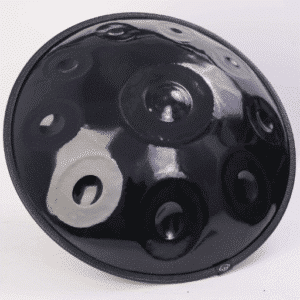
Handpan music in and of itself stands as a composition of unique tranquility and a touch of contemporary characteristics, resulting in an overall soothing output that is very absorbing to any audience. Recognised for its mystical sonorous quality, the handpan percussion, which is hand-tuned, is one of the fastest outdating traditional music instruments, a great shift in current music and therapeutic, meditative–oriented approaches. This text focuses on the fascinating realm of handpan music, including its history, the unique sounds it makes, and what it is like to use it today for health improvement when engaging in relaxation, meditation, and even art. And, even if you are doing all of these things as a person appreciating the most inventive musical processes, we assure you, the essence of this genre is calm yet very vibrant.
What Makes Handpan Music Unique?
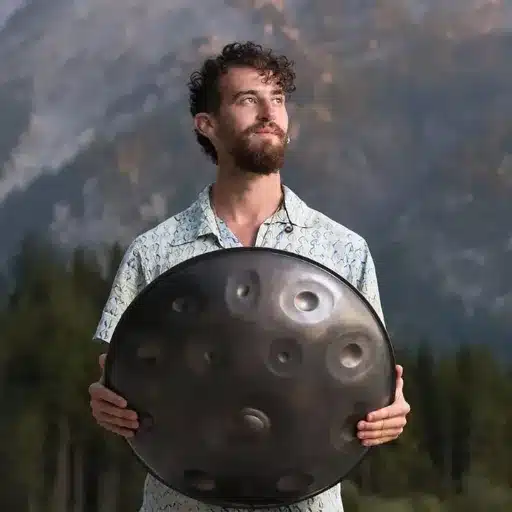
Handpan music possesses a unique sound that is both ethereal and sonorous. This is achieved through the instrument’s constructed steel shells. The same goes for the curved shape and resonant areas that the handpan is equipped with. They make it possible to unite the melody and the dynamics, as well as the harmony, in this one instrument. Each handpan is created for playing one scale, which, in turn, allows the player to construct rumbling emptiness without much effort. Besides, due to its loving and calming vibrato and way of playing, it is also favored in terms of devotion, calmness, and searching for particular inner ramifications. An increase in the popularity of handpan music has resulted from the fact of the way it appeals to any individual emotionally, disregarding their culture or their language. This development is not merely unique to handpan music, as its characteristics show that it goes beyond being just a relic and transforms into a reminder of the other side, reserved for peaceful confessionals.
Origins of Handpan: A Review
It may come as a surprise to those passionate about the handpan that its history is modern, dissolved as it does in the misty Alps around the year 2000, whence it is believed to have been developed in Switzerland by Felix Rohner and Sabina Schärer – the creators of PANArt. The idea of the Hang has its roots in the stuff like those of the SteelPans and other classical masonry-made percussion units such as the Ghatam, Udu, and Gong, as the Hang drum dialect had been created. It is, however, the fact that this instrument was the very first of its sort in proton history that is bound to interest generations. The Hang drum gave birth to many other similar instruments within the handpan clan, with its eye-catching look as well as soothing sounds.
Each handpan is meticulously fabricated using nitrided steel and then tuned through a painstaking hammering process. Hence, each instrument is capable of generating coherent notes that have depth to them. Now, various craftsmen in the world have improved in using the old designs to make improved versions of handpan, and that has been the reason why this has helped or improved music more than the contentious argument that it lowers the quality and its social standing.
Instead of being just a musical instrument of the modern era, today the handpan has evolved into a cultural phenomenon that connects fanatics all over the world. It might be a fairly modern instrument, but the charming echo sound and inner depth of each note ring in accord with the centuries-old musical traditions of connecting, contemplating, and narrating through music. A handpan has a uniquely spellbinding aura tracing its history and evokes palpable tenderness & delight to anyone who touches it.
Characteristics of Handpan Music
Handpan music is famously recognized for its ethereal sounds and calming effects, making it perfect for winding down and finding inner balance. Its sustained metallic resonance is synthesized thanks to a very finely engineered microtonal scale of steel, which effectively leaves all amazed. Most handpans are made to be played in specific scales like pentatonic, D minor, or Celtic scales, providing the advantage of blending different moods and melodies. The relationship between melody and rhythm is a distinctive characteristic of handpan music, as many performers use percussive rhythms together with melodious riffs.
By adopting the handpan’s musical style, its functionality in yoga, therapy, and other musical settings, where even modern or traditional sounds are required, has no limits. The creation of expansions of handpan construction has enabled them to include more and more bells and whistles, meaning that many players are now able to create sounds that contain several sketches. This has only encouraged the adoption of this instrument by people who aspire to reconcile the traditional acoustic genres of music with the modern expressive culture.
Comparison with Other Instruments like the Steel Drum
Compared to other music instruments, playing handpan will offer a much interesting and unique music experience. Not that the steel drum and the handpan are both percussion instruments made from steel, only that one should just know the difference between the design and sound. Unlike the steel drum, which has a characteristic loud sound that is closely associated with Caribbean music and especially laughter, or any sound of joy, the handpan, which ironically has a slightly deeper and less hollow sound than the natural pitch of the steel drum. Instead of the notes being all over the place like on a steel drum, the handpan notes are arranged in the shape of a circle, which allows piano players to use it as a calming and almost meditative instrument. In contrast to the more traditionally designed steel drum, which focuses more on rhythm and motion and coverage, the handpan players do not need to worry about such an energetic and rhythmical style; they can create their fast-paced, snappy compositions easily if they desire to.
In terms of playing methods, when it comes to action, the handpan has really soft and immediate benefits of the more effortless approach, encouraging to work with the hand as well as fingers and create tunes more articulately. Modern households, on the other hand, contain the steel drum predominantly played upon a platform, allowing control sticks rather than mere hands in order to tap the barrel. Therewithal, the fact that there are no amplifiers or connections helps in performance spaces, such as during yoga-related things or even solos, while every louder space can cater to other sounds, hence used for public performances and larger bands than the acute and sonorous steel drums in other instances, since these become the main instruments.
While they each have their own niche, the steel drum is also inextricably linked with being explosive in iterating the culture and growing the audience excitement compared to the handpan, which is gentler, more reflective, or meditative. It’s worth noting that both instruments complement cutting-edge functionality and centuries-old practice, latently shifting the paradigm towards maximizing the artistic potential.
The Role of Handpan in Meditation and Music Therapy
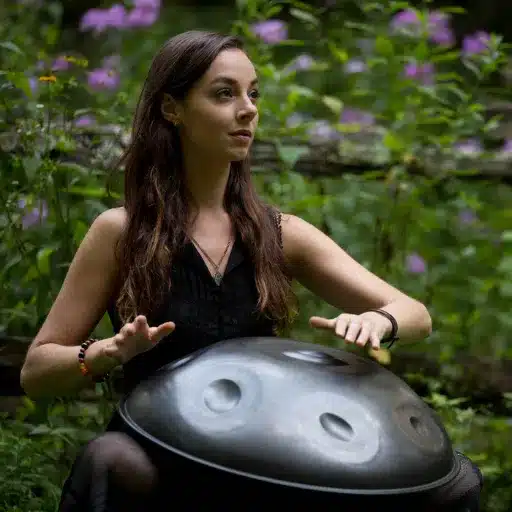
Handpan music has become an integral element of meditation and music therapy because of its peaceful, sonorous tone. The quality of its sound in particular enhances its facilitative role in practices involving relaxation of the mind and healing of stress. The handpan’s vibrations also help reduce anxiety and build concentration. Additionally, employed in a variety of regions by music therapists is the handpan, supporting emotional expressions and assisting the feeling of one’s back in reality, which is usually associated with the therapeutic purpose of healing and exploration.
How Handpan Music Enhances Meditation Practices
The world of meditation has embraced a new technique, which is meditation music, inviting someone to concentrate on the handpan music in the background. The music played in Western countries to set the mood for different events has changed this scenario into a simple and easy playing of such instruments. The sound is so very comforting, yet encourages meditation and heightens focus, as the gamma sound that this instrument produces tends to initiate the alpha adenoids in the brain. Using sound instruments such as the handpan for meditation, it has been found that ideal for mainly reducing anxiety, slowing of pulse, amongst other benefits. In addition, handpan music also offers vivid emotional expression that serves to calm the stress rather than match it, which is why music therapy encompasses the use of this instrument. No wonder this fascinating instrument is still the focus of both therapy and the spiritual enhancement of an individual, and is an essential component of sound-based therapeutic practices that are being developed fast.
Benefits of Handpan in Music Therapy Sessions
Reduction in Stress
It is argued that the calming auditory perception of the handpan phenomenon triggers the decrease in adrenaline levels or the so-called stress hormone in layman’s terms. This, in particular, contributes to improved well-being, as one decelerates and starts to experience calmness in oneself.
Helps Enhance Mental Abilities
The music of the handpan is composed in such a way that its rhythm and melody support an attentive state. Longer singles (intended for people suffering from attention deficit disorders and cognitive‐affective disorientation).
Boosted Mental Health
The handpan itself is the metal that offers an opportunity to transfer the surplus of the emotions of the individual. Researches find it to be effective in elevating moods and in lowering both stress and unwanted thoughts.
Deep Relaxation
A calming effect on breath and heart rate is imparted by the resonant vibrations of the handpan. This can explain the reason why it is a helpful medium for performing meditation and decreasing physical stress levels.
Stimulates Radical Ideas
Most people have claimed that the eccentric tunes of the handpan tend to spark an infinite number of fresh inspirations. Consequently, by encouraging these processes participants of therapy, no matter whether they are encouraged to deliberate use effortlessly or otherwise, tend to assert that the same activities make them more imaginative and open.
The advantages closely resemble the earlier mentioned efficacy of the handpan in any drug and psychotherapy interventions, like postmodern therapy, where hand pans are used to improve prevailing psychological problems and enhance the overall health of a person.
Techniques for Playing the Handpan in Mindfulness
Whenever I use my handpan as an instrument of mindfulness, I strive to generate a tranquil sense devoid of confusion or contradictions. This is initiated by ensuring that I am settled properly in a sitting position, either cross-legged on the floor or on one of the chairs, and making sure that the handpan is placed on my thighs or positioned on one of the stands. Upon reaching this calm state, I then concentrate on some preparatory measures by controlling my breathing and stilling my thoughts so that I am present. After focusing on the here and now, I start manipulating the hollow notes on the handpan by using my finger tips or the palm of my hands in direct contact with the surface, and note the rhythm driven by vibration. However, because the sounds I prefer to combine with this instrument enhance relaxation and mindfulness, I often play the quality of the notes that will help my objectives, and that is generally very soft in nature.
My try at this has to be very high, so I try every technique available to make sure the sound produced can run in one continuous flow without the slightest hitch. From many other papers, tone tapping, very light touch, or finger slides, and several hand placements aim to create a melody or beat. At these times, my spirit flows free of my body, and I sing to the point of exhaustion or orgasm without having to engage my head. There are other times when I get stuck with a particular exercise and I create a secure pattern, destroying any privileges to anxiety. Each note is unique, its vibration and silence that is immediately left after the note fills the air has its own mental advantages in achieving mindfulness that I take.
In the same respect, I of course take into consideration the stages of my breathing and adjust its rate and incorporate them into the sounds. It is not that there is no lag between the rates, but it is all about coordination and synchronisation with the rhythm. Hitting the handpan in this way does not just aid in my meditation but also helps me in healing certain aspects of creativity and expression in a healthy and non-judgmental environment.
Modern Music and the Popularity of Handpans
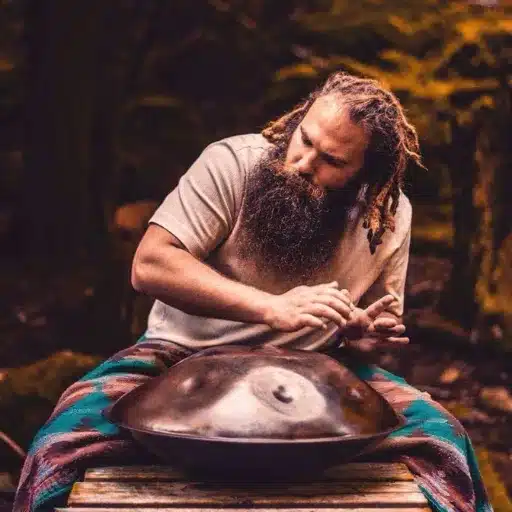
The usage of handpans in the present-day musical entertainment industry has stemmed from how the instrument can work in most genres due to its unique timbre. Their new age tones have been very beneficial for artists working in the field of meditation, Reiki, and many other genres as well. This is successfully used by both those who perform alone as well as those who perform with the help of a group. Let’s face it. The handpan, courtesy of social media and other platforms combined with live shows, has reached far and wide, making it a missing aspect of today’s musical culture. This has made it even easier for musicians to learn and also play the handpan, as they can conveniently source these sources from online videos and communities.
Current Trends in Handpan Music Genre
- Music performed by a handpan drummer is always developing, with more and more musicians coming into the profession and experimenting with various techniques.
- This is especially noticeable when handpan music is mixed with other forms of music like electronic, world, and ambient music, thus elevating and imagination of the available musical possibilities.
- The most noticeable is an increase in requests for the handpan instrument tutorials and online lessons. This indicates that there are more and more people who like this instrument and would like to play it in the future.
- Many handpan players have also learned how to use such websites in order to show their live concerts and even interact with people who are in other parts of the world, which has, in turn, increased the popularity of the handpan in different countries through the internet.
- All these have made a great contribution to contemporary music, as it has now been promoted to the mainstream of musical trends, as well as becoming a revival of the handpan music.
Influence of Handpan on Contemporary Music Composition
The handpan has found its place not only in the sphere of live performances but also in the domain of contemporary music composition, where it has been effectively used. In particular, the sound of the handpan incorporates rich harmonics, ethereal resonance, and percussive versatility, all of which are the reasons for enthusiastic experimentation by various composers with this instrument in one form or another. Emotional communication is this instrument’s forte, and, therefore, it is also very beneficial in creating atmospheric soundscapes and in experimental music, which is why, yet again, it has been very helpful.
Remarkably, handpan appears quite commonly in scoring films too, since it adds warm and rich tones to the scoring. This is evident from the increasing use of the instrument in ambient, global, and even some electronic compositions. Besides, the opportunity of the inclusion of electronic handpan samples and virtual instruments enables those producers and composers who do not possess the instrument to use its beautiful technique quite effectively. Such changes in music-making are causing the handpan to make an even greater contribution to contemporary music and extend its application beyond the existing limitations, aiming at a more narrative and inventive composition.
In all the aforementioned cases, the handpan fulfills a more utilitarian function of helping to expand and explore other aural dimensions through time, and remains a profound and lasting contribution.
Exploring the Global Popularity of Handpans
Music is one of the human activities revealing the peculiarity of each individual, and I can say that handpans are music’s absolute, perfect symbol of music in its entirety. To me, I can say that handpan brings not only a perfect tonal quality but also a deep meditative resonance, which cannot leave anyone indifferent – this music may suit a mountain as much as it could suit a concert hall – hence it is no wonder that the vast music scene can accommodate such an instrument. It stands to reason that any competent person can begin to interact with this means of self-expression right away, regardless of their level of expertise. It is this aspect that has made it possible for handpans to become popular so quickly. After all, they do not limit the desire to make music to the level of technical mastery but rather encourage it.
From my point of view, what makes the handpan so widely spread is how it goes beyond the norms of music. I have noticed people integrating it smoothly into various genres like world music, ambient, and even modern pop. The goodness is that it touches the emotional part of the audience without them even realizing it, which does make it such a good work of art and music, no matter where you are. Furthermore, the interaction of the global community of handpan fans has given rise to new interest and ventures. So, there are festivals and workshops and even social media, where many play the handpan.
In the end, I am convinced that the handpan became one of the most popular instruments in the world thanks to its potential to integrate people from different national, socio-economic, and even skill groupings under sound. It is a versatile object that is purchased for personal meditation, played in the streets, or during recordings with instrumental music, because it continues to breed invention out and fits in the global musical context successfully.
Behind the Handpan: Cultural Significance

Handpan is a trove of cultural values that helps blend tradition with modernism, thus making it appealing to anyone who may be interested. In the early days of its existence, the handpan took its influences from the Trinidad and Tobago steel pans. It was not long before a specifically Swiss handpan was introduced, creating and developing in the process from the origins to its present state and influence. The purposeful and calm tone of the handpan that is used even by different traditionalists has a lot of practical application for such purposes as spiritual practices, music therapy, and collaborative efforts. Irrespective of cultural and personal differences, everyone can benefit from it in helpful ways, responding with a reply enabled as a result of its friendly voice.
Cultural Connections of the Handpan Across the Globe
The handpan is an instrument that is played in diverse spots, which goes to show that its allure and its reach span across all physiological and geographical barriers. In countries like India, for example, some classes offer handpan lessons in a meditation or yoga setting for the calming essence of the instrument. Due to the meditative content of its music, it is also effective in every mode of spirituality as mindfulness, and helps give peace to the mind. Also, in China, the handpan is one of the instruments that easily finds a proper place at the tea party or the forest bathing following self-reflection or relaxation.
Concurrently, there is a growing tendency in the Western hemisphere, especially in music therapy is now incorporate the use of the handpan in the treatment of patients to deal with stress, anxiety, and more. The wide range of people, including street performers and independent artists, have seen the handpan’s portability, ease of playing, and, more so, its different tones, and have marketed the same to more people than ever. Similarly, online networks show a huge group with a high interest in the handpan, which includes fans who have included how to drive, compose music, as well as other practical information to facilitate appreciation and performance for their favorite musical instrument.
Versatility of the instrument expanding into fusion with culture hemispheres, li ho joinita’s international collaborations, has never been more than in the current handpan as a member of musicians. These creations are now common among the festivals all over the world, and different genres, pertaining to both traditional and present, are being brought together. The increase in interest in handpan events and concerts indicates that people still enjoy its music and other handpans as a cultural conduit that transcends people through enjoying one thing-touch of its essence-its brief ‘haunting’ music and the short pass as well.
The Handpan’s Role in World Music Traditions
As an enthusiast seeking to place the handpan instrument within the global music heritage, I must say that it is an innovative and transformative piece. The melodies that come out of it – tuneful and transcendent – dart off, transcending all the land areas and becoming the link between primordial days and present tunes. Contrary to the origins of the steel pans, the handpan’s design and sound are adept beyond human reach and can be used in different parts of the world as a tool of expression. The handpan has been widely used due to its versatility and ease of situating in different contexts, such as meditative music and some fusion engagements.
An important factor that has contributed to the acceptance and recognition of the handpan in world music is its ability to stir up emotions and feelings of unity. Normally, it is difficult for people to accept historically traditional instruments from outside their cultural settings. The handpan overcomes this difficulty because of its modern character. Such modern, diversified music that respects each universal musical convention and embraces preservation of the values dear to traditional artists inevitably fosters intercultural communication and cooperation. Incorporating handpan in Tabla-quite a task, fitting it into Andean street melodies, rather challenging, blending it in African drumming circles, however, these situations only enrich the music and supplement it.
To me, the handpan serves a wider purpose than to be a musical instrument, being that it is a big representation of a community and a culture. It is this – the potential of the handpan to help other people because of its music- that is why, even though different people are involved in listening to such tunes and playing them, it is all one. Handpan events and activities are increasingly becoming related to the traditional and modern ways users address different taboos, enabling people to come together and think creatively. The growing participation of this item in world music is not only because it can create different tones, pitches, and rhythms, but it is more importantly because of its ability to attract people and heal them through the power of music, which is a universal language.
The Future of Handpan Music in Global Culture
The musical expression of the Handpan has been seen as a different kind of alternative medicine, and this has increased its use in different social and cultural backgrounds. Recent data and statistics also show a consistent increase in the public’s desire for content that revolves around handpans, which is an indication that the instrument is becoming popular worldwide. Part of the explanation for the situation comes from a growing interest among people around the world towards mindfulness and wellness, and the centrality of music in bridging people and promoting mental hygiene. Nevertheless, there is a change in using handpan as a healing object because there are meditative and sound flexibilities, and there are such examples as healing through handpan in music therapy, including collaborative elements in music therapy, yoga, and so forth, and different musical formations.
Further, there is also a chance for improving relations between the traditional and the contemporary societies in the case when an artificial product, including a hand shape as a base, several societies have welcomed. This scenario is made possible when the instrument disrupts established norms as part of education or any form of entertainment functions. This makes the music appealing as it synthesises both traditional and modern ideas. With its soothing sounds, simplicity in usage, and expressive gestures, the handpan is fast proving to be a conducive device in creating conducive and shared artistic environments globally.
Reference Sources
- Cosmos Handpan Blog
Article: The Role of Handpans in Modern Music Genres
This source provides insights into the handpan’s role in various music genres, its calming tones, and its growing influence in modern music. - The Sound Artist Blog
Article: Evolution of Handpan Music and Its Musicians
This blog discusses the history, evolution, and applications of handpan music, including its use in meditation and sound healing. - Musicians Support
Article: How to Promote Your Handpan Music Online
This source focuses on the online promotion of handpan music and highlights its appeal to a global audience. - Scalar USC
Article: Handpan Music Instrument for Meditation and Performance
This article explores the handpan’s versatility in meditation, performance, and its integration into various music genres. - PANArt Hang Manufacturing Ltd.
Website: PANArt Hang
As the creators of the original Hang instrument, this site offers authoritative information on the handpan’s origins, craftsmanship, and its role in modern music.
Frequently Asked Questions (FAQs)
What is the Role of Handpan in Different Music Genres?
About music, the handpan, a special instrument, was created to draw the attention of connoisseurs of ambient, world, and yoga music, among others. Like rhythm and resonant sounds, the melodious stretches of a handpan fill many artists with inspiration in the composing stage. From calming back meres to more groovy vibes, handpan instruments help in intensifying the feelings of such genres as experimental music, mixed, or simply fusion genres. Such features have made handpan musicians and audiences love this instrument, as it has improved both pro stage and studio recordings.
How Do Playing Techniques Affect Handpan Music?
Performance methods alter the handpan sound and hearing quality thoughtfully. Through a diverse set of actions like tapping or using soft-headed implements, musicians can test, for instance, different styles and sounds of the handpan. The handpan’s unconventional design allows musicians to make a multitude of sounds, which also places it in demand, ranging from novices to experienced players. Mannerisms and resonance are significant in producing sounds that are restful and meditative or, for instance, such in the case of active listening to beats. The technologies in which the instrument responds are social or ritual, expressive that which obstruct the growth of most from such treatments as body or body treatment. Indeed, technique has to be developed before attempting to practice playing handpans.
Why is the Handpan Considered a Meditative Instrument?
The handpan is frequently recognized as a tool for calming meditation music, because its gentle and deep sounds literally enable relaxation and concentration. The melodic, balance-engendering music that gets produced by the handpan enables many individuals to relax modish music, hence leading to its adoption in meditative practice or sound therapy. The most serene sound coming from the handpan is often viewed with added attention and concentration so that absorbed in one place, to at best, all one’s attention is focused on escaping reality and in tranquility. Unlike many other instruments, most people who practice playing the handpan or sight and sound and the present moment actually appreciate that such practices make their meditation sessions even more intense and enriching, making them more peaceful in the long run, emotional standpoints becoming tension-free.
Who are Felix Rohner and Sabina Schärer in Handpan History?
The impetus behind the contemporary form of the handpan is propagated by Felix Rohner and Sabina Schaerer, who designed the first contemporary version of the instrument under their trademark Panart from Switzerland. Their one-of-a-kind technique of making the handpan requires an eye for detail, or what is commonly called tuning and coloring, hence creating what we hear nowadays as the melodies of music. They have therefore provided a strong impetus to decorated musicians to produce Anatolian music beyond their borders with this wonderful instrument. Because of them, it is as fair to say that they have managed to create a community of Handpan enthusiasts who adore its emotional aspect to a remarkable extent and of the very specific type of sound it produces.
How Does the Handpan Compare to the Caribbean Steel Drum?
Handpan and steel pan are musical instruments that differ broadly with respect to their structure and sound. The Caribbean steel drum is obtained from discarded oil drums and is famous for its clear tone, while the Handpan is composed of sheets, hence having more volume and resonance than the former. Unlike the steel pan, which is mostly used in calypso and soca music, the handpan carries appeal across a wide spectrum. The sound of the handpan can fit anywhere, including freedom from mainstream music, as its metallic melody and ambient sound can be heard in various musical types. However, some of the sounds that one can obtain from a steel drum, such as sticks rhythmming ridim, are typical, for example, in soca and calypso music. These goods are difficult not to pay a captivating audience at the concerts, however, this happens more with handpan music because it is a wonderful relax.
What is the Popularity of Handpan in Modern Music?
Handpan, as an instrument, has been around for some time now, but it is most recently becoming an instrument that many of its users play with. This instrument is considered one of the coolest instruments, featuring melodious tunes, sweet, brassy timbres, which make it an object of importance for live performance and recording. This handy drum has a lot to offer and fits into any music. It is to be expected that people from all generations and genres, be they classical or contemporary, will find it delightful. As appreciation for what the instrument can do grows, the use of the handpan in recent music seems to be escalating and has reached various audiences from all over the globe.
Conclusion
The handpan represents more than just a musical instrument—it embodies a bridge between ancient musical traditions and modern therapeutic practices. From its Swiss origins to its global cultural impact, the handpan continues to captivate musicians, therapists, and music lovers worldwide with its unique ethereal sound and meditative qualities.