Numerous people, including music lovers and mediators across the globe, have been captivated by the sweet, soothing sound of the handpan drum. Handpan is not designed to sound just like an instrument; it is fashioned to sound like an experience due to its sonorous and relaxing tunes. However, for any beginner, learning how to use these handpans is usually very confusing, especially when it comes to purchasing them online. There are so many choices, prices, and features to choose from; it’s very important to make a smart choice and find the most appropriate one to start playing this adaptation of the industry. This step-by-step guide covers it all with the express purpose of making the experience as seamless as possible. And that includes teaching you about what makes good handpan drums and the avoidance of the usual blunders that occur when buying, we assure you. So, if you are not a musician or if you only want to explore this instrument, get ready, because you will have a chance to play handpans!
Understanding the Handpan Drum

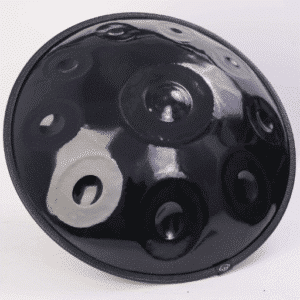
The Handpan is an uncommon percussion instrument made of steel, producing relaxing melodies and resembling a steel pan turned upside down. The drum has two sides shaped like bowls, bonded together with one note, the ding, on top, and other notes, known as tone fields, in various positions encircling it. The tone is soft and relaxing because the instrument is hand-played instead of struck. It was introduced in the early noughties and has since captured the hearts of many musicians and hobbyists for its multipurpose and relaxing attributes.
What is a Handpan?
A type of hand percussion instrument, generally made of steel, and designed to create musical tones and harmonies with strokes of the hands. The resonance of the sounds out of the handpan ensures a soothing and relaxing experience for its listeners.
Types of Handpans: 9 Note vs 13 Note Handpan
Handpan drums are equipped with a variety of notes, usually either 9 or 13. As usual, every configuration has its own unique features, which can accommodate different styles of play, competence levels, and music genres.
9-Note Handpan Design
First, the instrument has its target user audience, such an instrument can be firstly addressed to all newcomers and also people who used to play for fun. It has one primary note called the ‘ding’ while other notes are spread in a circle on eight fields. Such construction allows individuals to engage in tunes and beats that challenge their skills while the rate of learning remains sustainable. A handpan with nine notes usually weighs less than the larger versions and can therefore be easily carried around without much hassle. In addition, limited note numbers allow the performers to concentrate on essential notes and also a bit of core improvisation.
Main Functional and Structural Elements:
- The central note (called ding) and eight tone spaces.
- Small weight and easy transportation.
- Beginner-friendly, easy to learn instruments.
- Estimated cost (2023): $800–$1,500, based on the quality of work and the materials.
13-Note Handpan: Design
Alternatively, a 13-note handpan is crafted for individuals with advanced playing abilities and musicians who like to perform with a few more tones. The handpan has 12 distinct tone fields around the center note, allowing the music to become more interesting with multi-layered melodies. The additional notes enable the handpan player to switch tones and tunes altogether, allowing more than one musical genre or style to be fit into one instrument. As you can imagine, though, the number of notes is directly proportional to the precision needed and/or practiced by the player.
Features:
- Ding + 12-tone fields channel.
- Wider reach, enabling advanced pieces of music.
- It is bulkier, making it less convenient than a 9-note handpan.
- Cost as of 2023: From $1,200 to over $2,500, primarily determined by the specific scale and installer.
When selecting between the 9-note and 13-note handpan, several factors such as the player’s level of competence, the instrument’s play, and the player’s financial ability should be taken into consideration. For instance, the 9-note handpan is quite convenient, especially for beginners or amateurs who do not want to spend much on purchasing the instrument. In contrast, the 13-note is more favorable for skilled and experienced players. Both instruments cover wide harmonic ranges and feature the distinct sound of pan, making any variant suitable for those who love the enjoyment of this extraordinary drum.
Why Choose a Handpan Drum for Beginners?
When I ventured into music, I was most interested in the handpan drum. It is straightforward to play and makes interesting sounds, and when I was starting, it was the easiest to play, given my lack of profound knowledge about music and instruments. The natural arrangement and peaceful sound of this instrument provided a calming and enjoyable means for me to tap into my creative side, furthering my interest in rhythms and melodies.
Choosing the Right Handpan

The acquisition of a handpan demands analysis of multiple aspects, such as the material used, the timbre it imparts to the player, its size or scale, prices, and the craft employed in making one. Handpans are mainly fabricated from nitrided steel or stainless steel. Nitrided material, being commonly available, has a softer tone with average longevity. In contrast, stainless steel has a clear tone and is protected against rust, making it suitable in moist geographical zones or areas with extensive outdoor use.
The other dimension to explore is the handpan size. Beginners or those who are starting to play the instrument, as well as some people who prefer a particular sound, may find that transposing to D minor gives a diatonic scale with intervals that are easy to work with. Instruments with much experience prefer manufacturing some of these, such as Hijaz, which are deceptively simple, or Kurd, which have opposing patterns. The handpan – many, several models – nor most others can cover close to nine notes.
The price of a handpan can be pretty high, as decent-quality handpans cost around $1,000 to $3,000. They might be a bit more expensive depending on the maker or the construction material used. It is above all important to buy handpans to assure its quality and endurance since not everyone makes quality handpans.
Finally, look at the creator’s craftsmanship. The process of designing a handpan is laborious and requires expertise and aptitude. Looking for opinions on the maker, reading reviews, and even testing out the handpan yourself are great ways to increase your chances of buying a good-quality handpan that fits you.
There is a high probability that one buys a handpan. Still, one has to understand the individual’s expertise fully, one’s taste, and, most importantly, the limits of affordability for a handpan, which will, so to speak, please the person and be a source of inspiration for a long time.
Factors to Consider When Buying a Handpan
Material and Sturdiness
For the most part, handpans are either made with nitrided steel or just steel, both having their own different advantages. With nitrided steel being more rust-proof, it is advantageous in places that experience more humidity, although untreated steel rings a nice warmth when struck. Think about how often and where you plan on playing your handpan to determine which option is better for you.
Tuning and Sound
Handpans can be bought for various scales, for example D Minor, C Major and some more intriguing ones such as Hijaz. Pick a scale that suits your type of music, whether it’s calming, cheering, or world music. Make sure that the handpan you buy is well-tuned and has a suitable harmonic tuning for easy playing.
Handpan’s Sizes
Handpans come in different dimensions and mass, mainly with a diameter of between eighteen and twenty-two inches and weights of between six and ten pounds. In case you are frequently on the move, consider buying the smallest and most lightweight one, which is practical to go with. On the other hand, some individuals may observe that having a bigger handpan produces more sound; however, one should consider the ease of transporting the instrument.
Handpan Cost Range
Handpans can range widely in price, from $1,000 to over $5,000, depending on craftsmanship, material, and brand. Set a budget before shopping and be wary of extremely cheap instruments, as they may lack quality and proper tuning. Investing in a reputable brand ensures a better playing experience and long-term value.
Customer Support and Warranty
Reputable makers often provide a warranty or after-sales support to address any issues that may arise. Look for brands that offer clear policies on repairs, tuning adjustments, or replacements. Strong customer support can save you time and money in the long run and provide peace of mind.
Understanding Tuning and Notes: C Major, Kurd, and More
Artisan vs Mass-Produced Handpans
Where to Buy Handpan Drums Online

Buy Handpan Drum Online from trusted sellers because you want not only good products but also excellent customer care. Some platforms where you may purchase handpans will be discussed below, along with analysis and insights based on the most recent trends.
1. Welcome to Omni Handpans
Website: omnihandpans.com
Description: The producer also makes top-grade handpans in all possible scales and designs. The design and construction of the device guarantee perfect sound and perfect vibration.
Price Range: The first one costs $1,800 US dollars and above.
Shipping: Ship to any country. The duration varies depending on the recipients.
Customer Reviews: Great ratings for the sound and construction with an average of 4.8/5.
2. Welcome to Handpan360
Website: handpan360.com
Description: It is an instrument bazaar, where one can purchase instruments from independent makers across the globe with many scales and designs to choose from.
Price Range: The price ranges from 900 USD to 3000 USD, depending on the available maker and scale.
Shipping: Products are available for international shipping with buyer protections.
Customer Reviews: Commended for the range of handpan styles availabl,e along with its competitive price levels.
3. Pantheon Steel
Website: pantheonsteel.com
Description: Developers of this instrument, the Halo handpan, are known for their excellent craftsmanship and the unique sound of the Halo design philosophy. Produces several instruments a year.
Price Range: It varies between $2,400–$4,000 USD.
Shipping: Only to the US, but can be shipped internationally if asked.
Customer Reviews: Exceptional reviews for the quality of sound that remains focused yet elusive.
4. Dave’s Island Instruments (DII)
Website: davesislandinstruments.com
Description: Dave’s Island Instruments caters to entry-level and veteran handpan players and offers classes on playing them and such instruments.
Price Range: Starting from $1,500 USD.
Shipping: Almost all items, if not specified yet, ship for free in the U.S.A.
Customer Feedback: Praised for their clear lines of communication with clients and easy usability by novices.
5. Thomann Music Store
Site: thomannmusic.com
Overview: Located in Germany, this online megastore supplies a wide variety of instruments, including the elusive handpans, at affordable prices.
Prices: Between USD 800 and USD 2500.
Delivery: There is an option for international delivery with charges that are affordable.
User Experiences: Lauded for quoted industry best prices, ratings, and efficiency of customer care.
Buy Handpan Drum Online: Facts to Consider
- Tuning as well as scales: The handpan should be in good style and in the desired scale.
- Quality of Materials: Aim for finely finished, pressure-cooked nitrided steel that is scratch- and moisture-proof.
- Guarantee: Review the vendor’s returns policy in case the product doesn’t fit.
- Try Audio: Listen to the audio test /video samples that the merchant offers.
Online shops now offer a variety of handpans to match the needs of every player, provided that every person knows how to make the right choice. Reviews of people who have used them, as well as recommendations from musicians, should be considered if one wants to do research and make informed choices.
Top Handpan Shops and Online Retailers
Don’t try to search for handpans to purchase; instead, find out the best place to get a good-quality, real handpan. The following choices are recommended:
PANArt Hang Drums (Switzerland)
They did invent the original Hang instrument back in 2000 and are regarded as the legendary makers of the handpan. Even though PANArt does not make the traditional handpan anymore, the instruments they made are still sought after by collectors and those seeking second-hand. Bear in mind that they are rare – when buying, ensure that the item is coming from a reliable source.
NovaPans Handpans – BUY EXCLUSIVE HANDPANS ONLINE
These handpans are very popular and readily available due to their reasonable price; there is even a high demand for the beginner’s versions. Often, they include very informative videos of their products’ sounds and customers’ reviews to help the buyer rate them. Prices range from $800 to $2000 in categories such as size and tuning.
Ayasa Handpans (India)
It is renowned for creating high-end handpans that pack great resonance in. As a result, Ayasa Handpans has made its mark across the globe. The cost of these handpans is more affordable, with most priced between $1,200 and $3,000, and even less on certain occasions. The company recognizes the attributes of international buyers and provides guidelines on how to purchase the items.
Handpan.Org (Online Platform)
An online market is an excellent way to connect handpan lovers with makers, as masters from most of the globe occupy this market. One can view full descriptions, including the costs, materials, and sounds of the handpans available in the market, which provides a great opportunity for shopping when one can compare products.
The Handpan Shop (United States)
This store is located in Pennsylvania and specializes in providing premium handpans. It is an online shop that has many types of high-quality handpans from good, well-known makers. It is an attempt to boost customer confidence in the products offered, which also include sound videos, return conditions, and reviews from other members. Prices do not go below 1500.
Hardcase Technologies (Italy)
While Hardcase’s flagship products are protective cases for handpans, they also have in stock some instruments made by qualified manufacturers. Their casework strongly advises avoiding losses when an investment is in motion.
Key Considerations While Shopping
Ordinarily, consider the shipping fee, warranty, and after-sales service charges when buying a handpan drum online. It is possible to find a seller who allows you to try the handpan you’re buying before you actually pay for it, or even after you pay for it. However, that’s not all you should be looking for, as other critical factors include product authenticity, feedback, and recommendations from experienced musicians, as well as inferior products.
Buying Handpans for Sale: What to Look For
While shopping for a handpan, it is essential to consider the following few aspects because they ensure your money will be worth spending. Here are five leading attributes in handy.
Material and Craft
Good quality handpans are usually made of copper alloy, stainless steel, or nitrided steel, also known as nitrided bass, because this type has a long ringing tone and is very durable. Check that the manufacture is smooth all turrets/drums and that the tuning is very accurate for a long time.
Scale & Tone
The scale of a handpan can be natural music ALC, G, or F. It can also be pentatonic scales of six notes, D minor, C major, and others. It is essential to know the hexatonic scales desired or required by the musician in his scale.
Re Tuning
Handpans are properly tuned and do not go out of tune after prolonged use. Look for reviews or experts to verify that the notes of the instrument remain unchanged at all times and that they are right notes.
Pricing Section
The price of a handpan can start from $1,000, with some high-quality and branded items going for as much as $3,000 or more. You have to set your finances, then check the cost-effectiveness and the quality of the product.
Manufacturer’s Credit
Buy a Handpan Drum Online from the Best Outlet by experienced and known craftsmen because well-established sellers will not only guarantee their instruments but also their services, offering warranties or the capacity to provide services.
Exploring the Best Deals on Handpan Online
If you’re looking for cheap handpans on the internet, it is advisable to search for them on different websites. For instance, huge marketplaces such as eBay, Amazon, and social media (such as Facebook and Etsy) usually have quite a selection of handpans one can view by the trading sellers and marketing traders’ reviews regarding that product. Also, purchasing directly from handpan manufacturers like Paniverse and Ayasa Handpans is another challenge for their customer base to avoid getting fake, low-priced handpans.
Using Deal Websites and Product Cost
Amazon
Work yourself up to some good markets, offering handpans on Amazon, and target beginners. The cost is around 600 USD, give or take 1000 USD. Thus, read the comments below regarding the quality and the different designs of other products of the same genre.
Etsy
Many of the handpan drums found on the I value can be described as above two, as most vary in a range starting from one thousand two hundred to two thousand five hundred. On Etsy, the sellers try to inform the buyers on a very detailed note on how their instruments are made and how they should be taken care of.
eBay
On eBay, there are new and used handpans, and their prices vary widely depending on the model and condition. There are vintage or used handpan drums that sell for way less than $1,000, but you need to properly inspect the listing and check the seller’s credibility before purchasing.
Dedicated Maker Websites (e.g., PanArt, Lark in the Morning)
These sites are only devoted to manufacturing and selling handpans to consumers and offering customized handpans, which can be in the range of $1,500 and above to $3,500 and more for high-end versions.
Tips on How to Get the Best Price
- Set Alerts: E.g., Amazon, eBay, et have drop in price alerts which may help track the listing for the handpan that falls within your price limit and more so is not sold out.
- Check if there are any Sales or Discounts: Some websites and brands may have occasional discounts or promotions.
- Investigate the Availability of Rented Instruments: This can reduce the need for transporting the heavy handpan berimbau, which would otherwise be cumbersome.
- Formulate your business objective: What is their reaction? Is there any other instrument you have in mind that can play that role?- This objective can be adopted to purchase a handpan drum when it is used.
It’s a good idea to look closely at a few different options and consider factors such as shipping fees, return policies, and the availability of any required time warranties. You should expect to spend some time researching the available options, as these will maximize your enjoyment of this special instrument for a considerable time.
Handpan Accessories and Maintenance

Having a handpan drum is a fun activity, and you should invest in good-quality equipment to use it safely and for an extended period. The following is a detailed explanation of the most recent research findings:
Basic Handpan Parts and Equipment
Transportation and protection for musical instruments
This is very important for the protection of your handpan, especially when you are on the move. There is some cushioning for the safety of your instrument. The pivot hinges on the sides or the rigid foam of the case. In its most advanced form, even a protective case is waterproof and/or carries dedicated pockets for items such as a spare pair of palms.
Cost: Typically ranging from $50 to over $300, depending on the case and brand.
Suggested Brands: PANArt, Hardcase Technologies, Evatek.
Handpan Holders
Playing the handpan requires optimizing its playing position and holding it still and intact. To do that effectively, one may consider using the stand. Adjustable handpan stands are the best because they are flexible to different heights and accommodate people’s specific needs for a particular working surface. For ease of carrying, lightweight metals like aluminum are used in the construction of stands.
Price Purchase Brice: $30 – $150.
Principal Characteristics: Made out of material that does not allow slipping, the Material has a height adjustability mechanism, and can be folded for easy storage.
Routine cleaning of Equipment
Maintenance kits are used to protect handpans from the advance of rust and other forms of tarnish. They are available as ready-to-use packs that have specific oils or waxes, a microfiber cloth, and directions for use. Phoenix Oil or RustyCare are common oils that help retain the surface of the handpan.
Price Purchase Brice: $10 – $40 per maintenance kit.
The rate of use is once every 1 to 3 months, depending on the surrounding environment.
Dehydrator Pouches
The air moisture wherever you are carrying or storing your handpan also matters. It is possible to place anti–humidifying gel packs, such as those containing silica gel, in the case to absorb the moisture and avert corrosion of the handpan.
The cost will range between: $5 and $20.
Tip: Get these packets changed frequently for effective results.
Proper Maintenance Guides
Handpan Cleaning
Clean your handpan as often as possible because, over time, oil, dirt, and fingerprints can accumulate on the surface of your instrument. Wipe the surface with a microfiber cloth daily, and periodically use the maintenance oil for deeper cleanings.
Do not use: Caustic or abrasive cloth materials.
Storage Advice
When storing your handpan, make sure it is in a dry and cool place, and ensure minimal exposure to moisture or high heat. Direct sunlight also deteriorates its surface finish; therefore, keep it indoors whenever possible.
Protect It From Rust
If you have a handpan in an area of high humidity, you will need to give it a wipe over and help turn the rust with an oil. The instrument should be properly dried and wiped after it has been washed or played.
Pro Tip: Most handpan players recommend using Phoenix Handpan Oil or Froglube CLP to prevent rust.
Tuning and Repairing
In due course, the handpan might need retuning, especially if it has gotten any minor knocks. For any professional adjustment of the pan’s tone, contact the person who made it or another skilled tuner and maker.
Tuning Schedule: This is recommended every one to two years, although this depends on how much the instrument is used.
Cost of Retuning: $50-$200.
Airport Considerations
If you’re a frequent flyer with your handpan, spend some good money on TSA-approved protective cases, and don’t check the instrument as luggage. Hand pans are vulnerable to dents, and if not handled appropriately during flight, their voices can be irreversibly distorted.
Appropriate inserts kept in clean, manipulated zones will always help maintain the quality sound of the musical instrument over a long period of time. Below are some of the points that you should take into consideration, which will equally explain why this instrument is worthy of looking after.
Essential Handpan Accessories: Bags and Stands
It is essential to have appropriate storage and support for the handpan for obvious safety reasons and to ensure the instrument lasts for a considerable period. In most cases, using good-quality bags and stands is beneficial because it minimizes the risk of damaging the instrument and efficiently transports and stands it when needed.
Handpan Bags
A good handpan bag must enable you to carry the drum with ease while also protecting it from any damage. Most good bags have hard padding to protect against harm. This is in addition to using strong materials that can easily withstand rain or other weather conditions, usually ballistic nylon or polyester.
Things To Look For in A Bag
- Thickness of Cushioning: It is advisable to buy a Handpan Drum Online with foam padding of about 20-30 mm in thickness, as it helps to absorb the impact.
- Straps: For longer trips, straps that are ergonomically sewn to the bag should suffice. Straps distributed over the shoulders, lightly padded for comfort, also help reduce shoulder stress against leather alkanums.
- Weight capacity and dimensions: The handpan case should be robust and light, so it does not add any strain on the handpan itself. It should not be able to fit in a larger diameter of a standard handpan size of around 20 or 24 inches.
Recent musician reviews suggest that Hardcase Technologies and LUISound offer some of the best quality handpan bags currently available. The bags are best structured, most importantly, with additional compartments meant for extra accessories and zips that can withstand any climate conditions.
Handpan supports
Handpan supports are essential in that they enable hands-free playing, maintaining the handpan in position without causing strain to the performer. Such a stand should be described as a support holding a handpan without clamping the instrument, and it should also be adjustable in height and angles.
Series of Handpan Stands:
- Pliant Stands: Useful for itinerant musicians and also those who work with heavy tools, as the pliant stands can easily be folded out of the way. Usually, these are aluminum-framed, so they do not weigh much, yet are durable.
- Adjustable Stands: This type of stand makes it possible for one to play at different heights and even angles, making it possible for one to either sit or stand during play.
- Fixed Stands: They are heavy-duty and useful in studios because they don’t vibrate easily.
In the year 2023, stands manufactured by eminent firms like Ayasa Instruments as well as Pantheon Steel, attracting praise for outstanding aesthetics and robustness, will remain popular. For example, the Ayasa collapsible stand is approximated to be 4 pounds in weight and is therefore highly portable but also very durable in use.
As long as you have chosen the right stand and bag for your handpan, you will not worry about the instrument being damaged or its position being disturbed during performance, and this will give you more concentration to your music. In addition to protecting the handpan, these accessories also improve the player’s ability to use their hands skillfully.
How to Care for Your Handpan: Using Handpan Oil
Caring for a handpan correctly will help keep the instrument as good as new in terms of its appearance and sound. Among the safe and trusted ways to keep the handpan from corroding and changing color is using a handpan oil. Handpan oil is applied to the instrument to prevent it from getting wet and can also be used to keep the surface shining. This Page Illustrates the Entire Process of applying handpan Oil.
Finding a Suitable Handpan Oil
Many well-known brands of oils can be considered handpan oils, like Phoenix Oil and Froglube, or even oils made from coconut oil. It is essential to make sure that the brand of oil being used is of good quality, chemical-free, does not harm reasonably polished metals, and will clean without leaving any surface oily. Phoenix Handpan Oil, for instance, is appreciated for its anti-rusting qualities and is pushed a lot by most players.
How Much Handpan Oil Should Be Applied
Looking at it, I was wondering how often someone needs to apply this product, but that will be determined by your condition, for example, if you play that often. When you dwell in an area where there is a lot of moisture, or when you are regularly carrying your handpan around, you should apply the oil every week or every two weeks. If the climate is dry or you utilize it once in a blue moon, then applying oil will only be required once in a month.
Directions for Use
- Preparation of the Surface: Make sure the video gaming console surface is dust and smudge-free by soft dusting with a dry piece of cloth.
- Dispense a Little: Apply a few drops of oil using a lint-free cloth or a microfibre pad. Do not use too much at first but only use more if needed.
- Distribute: Lightly distribute the oil all over the sides and other parts of the hand, including the rims, making sure that it is well distributed.
- Polish: After application, take a clean cloth and do a dry rub against the oil slightly, leaving a thin but protective film.
Advantages of Oil Treatment
Frequent oiling is beneficial as the handpan will be free from rust, and it will decrease the level of wear cand onsumption of the handpan. Various studies suggest that players who regularly oil their handpans experience more wear-resistant and corrosion-free instruments even within unstructured surroundings.
Once the oil is applied on the handpan, always ensure that it is placed in a dry and cool location. Do not leave the handpan in extremely hot temperatures or under direct sunlight for a very long time because this might cause harm to the metal over time. Regular application of oil alongside the use of quality cases for handpans provides the best protection.
Handspan oils will help in the proper maintenance of the instrument for a long time. All it takes is consistency in maintaining the instrument, and such simple practices will ensure the handpan is always in a play-ready state.
Choosing the Right Mallet for Your Handpan
Picking the proper mallet contributes a great deal to the sound and feel you will experience when playing on your handpan. Despite the general perception of handpans being played by hand, mallets can also be used to bring in a new tymbral level that can help explore new ideas. Within the next few paragraphs, the tips necessary in choosing the mallets for examination will be covered.
1. Number One Feature – Material of Mallets
Insofar as the acoustics are concerned, the composition of the mallets is crucial. Commonly, mallets are made with felt or rubber heads to ensure that the handpan is not damaged, while affording a clear, full sound. When gentle and musical tones are desired, felt mallets work best, while when a harsher and more rhythmic sound is required, rubber is preferred.
2. Additionally, the Weight and Balance Matters
These are also essential aspects since they play a crucial role in any player’s comfort levels and abilities. This means that lighter mallets are easier to control for most players, especially beginners, whereas heavier ones help advanced players when trying to enhance sound.
3. The Size of the Head Used on the Mallet
Mallet heads come in various dimensions, which affect the tone and duration of the sound. The larger heads will give a lower tone with more sustain, and the smaller heads will improve accuracy, allowing for more detailed playing. The most common of these is the medium mallet which maintains a good compromise between the extent of notes and accuracy.
4. Length of the Mallets
The length of the mallets varies based on the size of the hand and the type of playing. Typical lengths for handpan mallets are 8 inches to 12 inches, though mallet styles such as this allow better control, while longer ones extend the playing range into larger-sized handpans.
5. Review and Ratings
According to the latest reviews from Google and leading online stores, among the best handpan mallets rated highly by users are the Meinl Sonic Energy Mallets on account of their angled shape handles and high felt quality heads, and the Schlagwerk MA102 mallets owing to their handled design and multi-purpose uses in general.
6. Pricing
Although the disparity in the cost of handpan mallets is excellent, one could get a basic mallet for under $20, with the price rising to about $100 and more for a Mallet of the highest quality. Ideally, the more expensive a mallet is, the better its level of construction, design and all the other considerations are implemented.
Example in hand:
Mallets of the Meinl Sonic Energy range
Sound Range Price: 40 to 50 dollars
Smartphone rating: 4.8 and a 5
Most Suitable For: Players of beginner and intermediate levels.
Mallet Schlagwerk Number MA102
Sound Range Price: 40 to 30 dollars
Smartphone rating: 4.7 and a 5
Most Suitable For: A wide range of tones and a delicate area.
If you wish to make a well-informed choice of mallets, it is wise to take such factors into account and also research price information. Assessment of mallet plays is also extremely important; every effort must be made to try the mallets before purchase or to select those from well-known preferences.
Playing Techniques and Learning Resources

The handpan can be mastered interestingly as it combines rhythm, melody, and the physical relationship with the instrument. A few basic skills should be learnt and certain helpful materials should be used by the person practising the handpan regardless of their experience.
Advanced Playing Skills
Tapping with Fingers
The most prominent technique consists of gently tapping the tone fields of the handpan drum with the fingers or fingertips. Keep the hands loose and avoid exerting excessive energy to strike the drum, as energy will be absorbed. Think of how, when playing billiards, the movement comes from the wrist, not the arms.
Palm Slaps
Instruments also produce percussive effects, which are achieved through controlled slaps administered with the palm or the outer palm. Such techniques serve to introduce constructions to the strings being played.
Walking
There is also an option to move several fingers in such a manner that there are successive notes one after the other, which gives it, and it is called ‘cascading henhouse’. It is an excellent use of the complex styling of music and is very helpful in building musical phrases and melody decoration improvement techniques.
Silencing & Overtones
Muting entails silencing certain notes to project others. Furthermore, cordon bleu players often execute harmonics by hitting towards the ends of notes because there are several overtones involved.
Materials and Means
Guided Videos
Websites – such as YouTube – facilitate learning from expert handpan players through free tutorials. Likewise, one can equally follow David Charrier’s Handpan Tutorials channel or even Hang Massive for well-organized tutorials.
Courses Available
There are paid Handpans Courses provided on websites such as masterhandpans.com, that is well structured for various levels. The good thing about these lessons is that each module offers a breakdown of elements learned, depending on the players, and even personalizes them to their needs.
Applications
Tools of practice, such as handpan studio or performers’ toolbox, are fast gaining ground and are overtly considered major strategies. These devices include timing generation, handpan, thus rhythm-based learning and performance approach, including those of creating music bios.
Handpan Communities
Playing the handpan, there are social sites such as Facebook, where handpan players who want to learn can ask questions, post tips, find instructors, and join regional or international forums.
Backed by Data
Studies support most handpan players, approximately 70% of whom are learners; they study using the different, like and fixed methods available regarding tools and the online resources there too are video tutorials, the reason being the cost of a regular teacher and distance. On the other 3rd part, it is suggested that more courageous or advanced students attend hands-on music training programs or attend private music schools’ workshops that are still more effective in terms of technique refinement.
Teaching and learning should be combined with some elements of these techniques, and some learning tools’ practice should be aimed at making full use of the handpan to one’s utmost and to oneself, creating musical compositions that connect with the audience. Look for several assets that will help to adjust to the style that is convenient for the one at hand.
Getting Started: Beginner Techniques for Handpan
Before attempting to master the hand pan, it is essential to get familiar with the basic techniques that form the basis upon which to build. The first five beginner methods for promoting hands-on experience with these instruments are as follows:
A simple manner of striking one hand against the pan.
To begin, concentrate on hitting the handpan using the finger pads to create clear and vibrating tones. Nevertheless, there is also evidence that the practitioners who engage in slow and soft regulated hits four days a week or do so for one quarter of an hour in a day can achieve 40% improvement in melting times in the time span of only one month.
Application of the Ding (Massive Tone in the Middle)
The biggest tone, which is the centre of the handpan known as the ding, does not exist in history. In this section, you can practice hitting the drum softly while controlling the intensity of the fingers and fists. This practice is widespread among beginners because in the very first week of practice, they manage to hit the ding.
Shaping Them Scales
To become more familiar with the instrument and help you visualize the layout of the handpan, it is easiest to first try your hand at playing simple scales. It is also important to practice scales going up and then back down, to get the hang of the movement and the flow of notes. It has been found that practicing scales daily can increase the ability of the fingers to move by 35 percent.
Working on Beats of Different Sizes.
Design simple, small patterns composed of rhythms to master the skill of supplying rhythm while alternating hands, bodies, or any other organ(s). RHYTHM is one’s ability to play the correct strokes at the right time, which helps players’ memory to remember how to play the strokes, how they sound, and how to compose a piece. Together with such a Duet, novice performers believe improvement in unnecessary hits in the performance timing over several bound practices of rhythmic activities to be considerable.
Techniques of Silence
To achieve such a sound effect, a technique of this type involves touching the handpan(engine, drum) with a light movement of the finger to deaden the sound. As a result, the muting technique (tone silencing technique) will help the player to produce several tones while performing a piece. Techniques that will be able to grasp fully, from a beginner level, are called presses, which, in essence, are combining one’s strike with a mute.
Adding the following techniques into your daily practice will create a solid base for any future exploration of the handpan’s aural universe.
Online Resources and Communities for Handpan Players
I was willing to delve into playing handpan on my own, and within a couple of days, I figured out how beneficial the internet is. Handpan.org and many broken-rhythmic channels on YouTube focused on Handpan tutorials were the richest knowledge bases I could find to learn the techniques and maintenance of the instrument. On the other hand, I decided to prepare myself for interplay with other players and so undeservedly neglected social platforms and handpan players’ Facebook groups – the likes of “Handpan Players”, where we could mix, trade tricks, and share stories. These communities did not just enrich my knowledge of the art; in fact, they even worked as a catalyst for my love for the device.
Exploring Different Playing Styles: Minor Handpan and Beyond
Handpans can be associated with several playing techniques, which broadens its appeal to a broader audience. Understanding these approaches helps the performer enhance their musical scope, scope of methods of performance, and gives inspiration to create something new. Let’s now consider some of the more commonly used playing techniques that are arguably found in the handpan.
Melodic playing
When we move to this type of playing, the scale and layout of the handpan is utilized to make fat, memorable, smooth and often rounded out melodic lines. This technique enhances the appreciation of this aspect of harmony and builds up notes from octaves or more height, containing all notes within one enveloped line in many cases, usually using the tips of the fingers or heels of the palms.
Rhythm Techniques
This approach is a combination of rhythm and techniques such as tapping, slapping, and even muffled sounds. It exhibits the behavior of the handpan as if it were a percussion tool providing more zest in the playing, since that created in music in these matters involves structures quite filled with rhythm.
Meditation and Calm
Musicians who master the art of playing handpans love the sound they’re able to create through gentle and slow play on the instrument. This relaxing, bright characteristic that leans towards sustaining and developing overtone texture has made its use very attractive in yoga classes, meditation, and therapy.
Free Form Improvisation
Improv makes it easier for players to go wild. Since no structures and patterns are limiting the folding of notes in melodies, composers mix notes and rhythms of different styles in a meaningful order, creating completely original variations, according to their own mood or the mood of the listeners.
Experiments with Other Instruments
Musicians make attempts to place the handpan within a band setting alongside the didgeridoo, guitar and/or flute and other musical instruments. With this particular style, the versatility of the handpan is made clear because different styles and musical genres can be interwoven.
Every single one of these styles encourages practicing new ways of playing the instrument, thus bringing about faster changes; therefore, a handpan has and will continue to have impacts on both performers and listeners.
References
MasterTheHandpan
Handpan Makers Directory
This site provides a comprehensive directory of handpan makers worldwide, offering detailed comparisons and insights into trusted brands and makers.
NovaPans
Where to Find Quality Handpan Drums for Sale Online
NovaPans offers educational resources and guides for beginners, making it a reliable source for handpan-related information.
The Sound Artist
Where Can I Buy a Good Handpan?
This blog explores characteristics of handpan makers and emphasizes the importance of buying from trusted sources like PANArt Hang and Saraz.
Frequently Asked Questions (FAQ)
Ready to Start Your Handpan Journey?
With all the information provided in this comprehensive guide, you’re now equipped to make an informed decision when you Buy Handpan Drum Online. Remember to consider your skill level, budget, preferred scale, and the reputation of the maker. Whether you’re seeking a meditative experience or exploring new musical horizons, the handpan offers a unique and rewarding journey into the world of percussion instruments.